


 Podgląd w skali
 Wyślij jako kartkę
 Udostępnij
 Szczegóły dzieła

 Pobierz
 Podobne obiekty
 RTG
RTG Pokaz slajdów
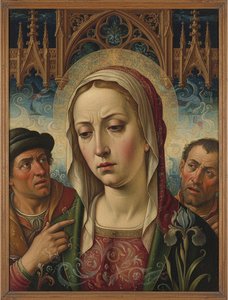
Fragment Altarpiece Portinarińskiej, św. Marii Magdaleny i św. Marii z Baroncelli oraz Marii Portinary
 Northern Renaissance
 1475
1475 253.0 x 141.0 cm
 Galleria degli Uffizi
 Rozwiń treść
Ręcznie malowana reprodukcja olejowa
Ręcznie malowany obraz olejny na płótnie, wykonany na zamówienie przez naszych artystów w wybranym przez Ciebie wymiarze i oprawie. ( Zamów wydruk Kup obraz wysokiej rozdzielczości)




P118B $10

P118H $10

P118W $10

P438Z $10

P508JH $12

P508YH $12

P805H $10

P805Z $10

P919BZ $10

P919G $10

P919XJ $10

P959ZH $10

P968JZ $12

W106C $8

W218G $10

W218JH $8

W218Y $10

W307PJ $10

W316G $10

W316PJ $8

W316Y $10

W398PJ $8

W4111J $10

W500HY $15

W500JH $15

W692G $12

W849H $8

W940BG $15

W953PJ $8




Wybierz spośród naszych standardowych rozmiarów, które zachowują oryginalne proporcje dzieła sztuki.

Możesz wprowadzić własne wymiary, aby dopasować obraz do konkretnej ramy lub przestrzeni. Jeśli wybrany rozmiar nie będzie odpowiadał proporcjom oryginału, przytniecie dzieło sztuki lub rozszerzymy je o dodatkowe elementy, ręcznie domalowane przez artystę. Przed rozpoczęciem produkcji wyślemy projekt cyfrowy do Twojej akceptacji.
Należy pamiętać, że podgląd na ekranie nie odzwierciedla rzeczywistego przycinania ani rozszerzania obrazu. Tylko projekt dokładnie pokaże ostateczną kompozycję.
Choć oferujemy możliwość zamówienia niestandardowych rozmiarów, zalecamy wybór wymiaru z gotowej listy, aby zachować oryginalne proporcje dzieła.
Po złożeniu zamówienia zespół AllPaintingsStore.com skontaktuje się z klientem drogą mailową w celu uzyskania instrukcji i prześle wizualizację projektu
Dostawa na całym świecie () w ciągu 3–4 tygodni zamiast standardowych 5 tygodni. (20 Sierpień). Bez kompromisów w kwestii jakości.

Bezpłatna ekspresowa wysyłka na cały świat

Wysokiej jakości płótno lniane

Pełne ubezpieczenie przesyłki

Gwarancja zwrotu należności celnych i podatków importowych

Gwarancja wiernego odwzorowania kolorów

Polityka 60-dniowego zwrotu (tylko w przypadku wad)

Gwarancja 100% zwrotu kosztów

Zniżka przy zamówieniu wielu produktów
 Opcja ze szkłem jest dostępna wyłącznie w rozmiarach poniżej 110 cm

Fragment Altarpiece Portinarińskiej, św. Marii Magdaleny i św. Marii z Baroncelli oraz Marii Portinary
Technika reprodukcji
Wymiary reprodukcji
-


Cena całkowita
$ 258
Opis dzieła
Hugo van der Goes’s Vision of Faith and Family: An Exploration of The Portinari Altarpiece
The Portinari Altarpiece, completed around 1475 by Hugo van der Goes, stands as a monumental achievement in Flemish Renaissance art—a testament to meticulous observation, psychological depth, and the profound influence of humanist ideals. Commissioned by Tommaso di Folco Portinari, a Florentine banker deeply connected to the Medici family’s patronage network, this ambitious triptych transcends mere religious iconography; it embodies a complex tapestry of familial piety interwoven with artistic innovation that continues to captivate audiences centuries later. ### A Pioneer of Flemish Realism: Context and Influence Hugo van der Goes wasn't merely a painter; he was arguably the foremost exponent of Flemish realism during his era, decisively shifting away from the stylized conventions prevalent in earlier Netherlandish art. Prior to Van der Goes’s groundbreaking work, painters often prioritized decorative elegance over accurate depiction—a stylistic preference that served the aristocratic tastes of the time. However, Van der Goes relentlessly pursued naturalism, striving to capture the textures and nuances of human anatomy and drapery with unprecedented precision. This commitment to realism directly challenged the prevailing artistic dogma, paving the way for subsequent masters like Jan van Eyck and Albrecht Dürer who embraced similar approaches. His influence extended beyond Flanders, sparking a ripple effect across Italy as artists sought inspiration from his masterful technique and emotive portrayal of human subjects—a pivotal moment in shaping the trajectory of Renaissance art itself. ### The Composition and Technique: Detail Beyond Compare The Portinari Altarpiece’s impact stems not only from its humanist ideals but also from its astonishing technical virtuosity. Executed in oil on panel, Van der Goes employed a revolutionary glazing technique that achieved unparalleled luminosity and depth—a breakthrough that fundamentally altered the artistic landscape. Each brushstroke is imbued with meticulous care, capturing subtle variations in light and shadow to create an illusion of palpable reality. Consider the drapery of St. Mary Magdalen; it appears to shimmer with reflected light, demonstrating Van der Goes’s mastery of chiaroscuro—the dramatic interplay between light and dark—a technique perfected by Leonardo da Vinci decades later. The artist's attention to detail extends beyond mere visual representation; he meticulously rendered facial expressions conveying emotion and psychological complexity—a hallmark of humanist art that sought to portray the inner life alongside outward appearance. ### Symbolism: Family Piety and Divine Grace Beyond its technical brilliance, the Portinari Altarpiece is laden with symbolic significance reflecting the values of the Florentine Renaissance. The central panel depicts the Virgin Mary cradling Jesus Christ in the manger—a familiar motif representing divine incarnation and maternal compassion. However, Van der Goes elevates this traditional image through nuanced detail and expressive gesture. St. Mary Magdalen’s posture conveys humility and reverence, while St. Margaret embodies steadfast faith. Surrounding them are two figures representing the saints Saint John the Evangelist and Saint Benedict—symbols of piety and contemplation. The barren landscape behind the saints underscores the spiritual emptiness that faith seeks to fill, highlighting the transformative power of divine grace. Furthermore, the inclusion of Tommaso Portinari and his family kneeling before Christ symbolizes the importance of familial devotion and remembrance. ### Emotional Resonance: A Legacy of Beauty and Reverence The Portinari Altarpiece continues to resonate with viewers today due to its profound emotional impact—a testament to Van der Goes’s ability to convey human experience with breathtaking sensitivity. The luminous colors, masterful rendering of texture, and expressive faces evoke a sense of awe and reverence—capturing the essence of Christian faith in its purest form. Its enduring appeal lies not merely in its artistic merit but also in its reflection of humanist ideals—a celebration of human dignity and compassion rooted in deep spiritual conviction. Reproductions of this masterpiece offer an opportunity to experience firsthand the sublime beauty and intellectual depth that defined the Northern Renaissance, ensuring Hugo van der Goes’s legacy as one of art history's most influential figures persists for generations to come.Podobne dzieła


O artyście
A Pioneer of Flemish Realism: The Life and Art of Hugo van der Goes
Born around 1440 in the vibrant artistic hub of Ghent, Belgium, Hugo van der Goes emerged as a pivotal figure in the Northern Renaissance. Though shrouded in some mystery—details of his early life remain scarce—his impact on the development of painting during the latter half of the 15th century is undeniable. Van der Goes wasn’t merely a painter; he was an innovator who profoundly altered the course of artistic expression, influencing masters both within Flanders and across the burgeoning Italian Renaissance. He entered the Ghent painters' guild in 1467, marking his formal establishment as a master craftsman, yet it was his unique vision—a blend of intense realism, psychological depth, and dramatic composition—that would set him apart. Before Van der Goes, Flemish painting, while technically brilliant, often adhered to established conventions; he dared to break from these traditions, imbuing his work with an unprecedented level of human emotion and tangible reality.Innovation and Artistic Style
Van der Goes’s artistic signature lies in his ability to infuse religious scenes with a startling sense of immediacy and emotional weight. He moved beyond the stylized conventions of earlier Flemish painting, imbuing his figures with a weighty presence and individualized character. His use of color was deliberate and often somber, creating a sense of gravity and spiritual intensity. This wasn’t simply about replicating appearances; it was about conveying inner states—awe, sorrow, reverence—through subtle gestures, expressive faces, and the careful manipulation of light and shadow. His monumental style, characterized by large-scale compositions and imposing figures, further amplified this emotional impact. He didn't shy away from portraying imperfections; his figures often possess a raw, almost unsettling realism that distinguishes them from the more idealized representations common in earlier art. This commitment to depicting humanity in all its complexity was revolutionary for its time, influencing artists who sought to move beyond mere technical skill and explore the depths of human experience. The influence of Jan van Eyck’s meticulous detail is evident, but Van der Goes transcends imitation, forging a style uniquely his own. He pushed the boundaries of perspective and employed dramatic lighting techniques that created a sense of depth and volume rarely seen in contemporary art.Masterpieces and Lasting Influence
Perhaps Van der Goes’s most celebrated work is the Portinari Altarpiece, commissioned by Tommaso Portinari, an Italian banker residing in Bruges. Completed around 1475, this magnificent triptych—now housed in the Uffizi Gallery in Florence—is a testament to his mastery of composition, color, and psychological insight. The scene depicting the Adoration of the Shepherds is particularly striking, with its dramatic lighting, realistic portrayal of humble figures, and palpable sense of wonder. The altarpiece’s arrival in Italy had a profound effect on Florentine artists, including Domenico Ghirlandaio, who were captivated by its innovative realism and emotional power. Another significant work is The Adoration of the Magi (Monforte Altarpiece), currently residing in Berlin's Gemäldegalerie. This piece showcases his skill in creating dynamic scenes filled with intricate detail and symbolic meaning. Beyond these iconic works, Van der Goes contributed to numerous civic projects, including heraldic decorations for Charles the Bold’s ceremonial entries into Ghent, demonstrating his versatility as an artist. His influence extended beyond painting; he impacted the development of book illustration through his designs which were disseminated by artists like Alexander Bening.A Life Transformed: From Workshop to Monastery
In a surprising turn of events, at the height of his artistic success in 1477, Van der Goes abruptly closed his bustling workshop and entered the Roode Klooster monastery near Auderghem. This decision remains something of an enigma, though it’s believed to have been driven by a deep spiritual yearning or perhaps a struggle with mental health. Despite taking religious vows as a lay brother, he continued to accept painting commissions, even undertaking the task of evaluating unfinished works by Dieric Bouts for the city of Leuven. However, his final years were marked by increasing bouts of depression and psychological distress. Accounts suggest that he suffered a severe breakdown in 1482, tragically taking his own life shortly thereafter. This poignant end to a brilliant career adds another layer of complexity to the legacy of Hugo van der Goes—a man whose art explored the depths of human emotion while grappling with inner turmoil. The circumstances surrounding his death have fueled speculation for centuries, adding to the mystique that surrounds this remarkable artist.A Legacy Enduring Through Time
Hugo van der Goes’s influence extended far beyond his relatively short lifetime. His innovative techniques and profound psychological insights paved the way for future generations of artists, both in Flanders and Italy. His work can be found today in prestigious museums such as the Musées royaux des Beaux-Arts in Brussels, offering a glimpse into the genius of this pioneering Flemish master. He remains a compelling figure—a testament to the power of art to capture the complexities of the human condition and to transcend cultural boundaries. His legacy continues to inspire awe and admiration, solidifying his place as one of the most important artists of the Northern Renaissance.- His emphasis on realism influenced subsequent generations.
- The Portinari Altarpiece remains a landmark achievement in art history.
- His exploration of psychological depth set a new standard for portraiture and religious painting.

Hugo van der Goes
1440 - 1482 , Belgia
Krótka nota
- Artistic Movement Or Style: Renesans flamandzki
- Artists Or Movements Influenced By This Artist: ['Domenico Ghirlandaio']
- Artists Who Influenced This Artist:
- Jan van Eyck
- Dierik Bouts
- Date Of Birth: c. 1440
- Date Of Death: 1482
- Full Name: Hugo van der Goes
- Nationality: Flamandzki
- Notable Artworks:
- Portinari
- Monforte
- Place Of Birth: Gandawa, Belgia
Powiązane artykuły
Hugo van der Goes: Devotion, Innovation & the Psychological Depth of Early Netherlandish Painting
Explore the revolutionary art of Hugo van der Goes – a master of Early Netherlandish painting renowned for his dramatic realism, psychological depth & profound influence on Renaissance artists. Discover his iconic works and lasting legacy.

25 Najlepszych Obrazów Vincenta van Gogha – Galeria Sztuki Online | AllPaintingsStore
Odkryj 25 najsłynniejszych obrazów Vincenta van Gogha! Poznaj historie, techniki i emocje kryjące się za 'Gwieździstą noc', 'Słonecznikami' i innymi arcydziełami. Reprodukcje najwyższej jakości na AllPaintingsStore.com – inspiracje dla Twojego wnętrza.

10 Arcydzieł Wczesnego Renesansu Niderlandzkiego: Sztuka i Dekoracja Domu
Odkryj 10 arcydzieł wczesnego renesansu niderlandzkiego! Poznaj historie van Eycka, Rogiera van der Weydena i innych mistrzów. Reprodukcje obrazów najwyższej jakości dla Twojego wnętrza – AllPaintingsStore.com

10 Arcydzieł Wczesnoniderlandzkiego Malarstwa, które Zdefiniowały Epokę | Reprodukcje Obrazów
Odkryj 10 arcydzieł wczesnoniderlandzkiego malarstwa! Poznaj historie van Eycka, Weydena i Memlinga. Reprodukcje obrazów najwyższej jakości dla Twojego wnętrza. Inspiracje i dekoracje ścienne na AllPaintingsStore.com
Rembrandt van Rijn: 25 Najwybitniejszych Dzieł Sztuki – Reprodukcje i Inspiracje do Wnętrz
Poznaj 25 arcydzieł Rembrandta van Rijn! Odkryj fascynujące historie, techniki i wpływ holenderskiego mistrza baroku na świat sztuki. Reprodukcje obrazów najwyższej jakości – inspiracje do wnętrz na AllPaintingsStore.com


