 Podgląd w skali
 Wyślij
 Udostępnij
 Szczegóły

 Pobierz plik obrazu
 Podobne obiekty
 RTG
RTG Pokaz slajdów
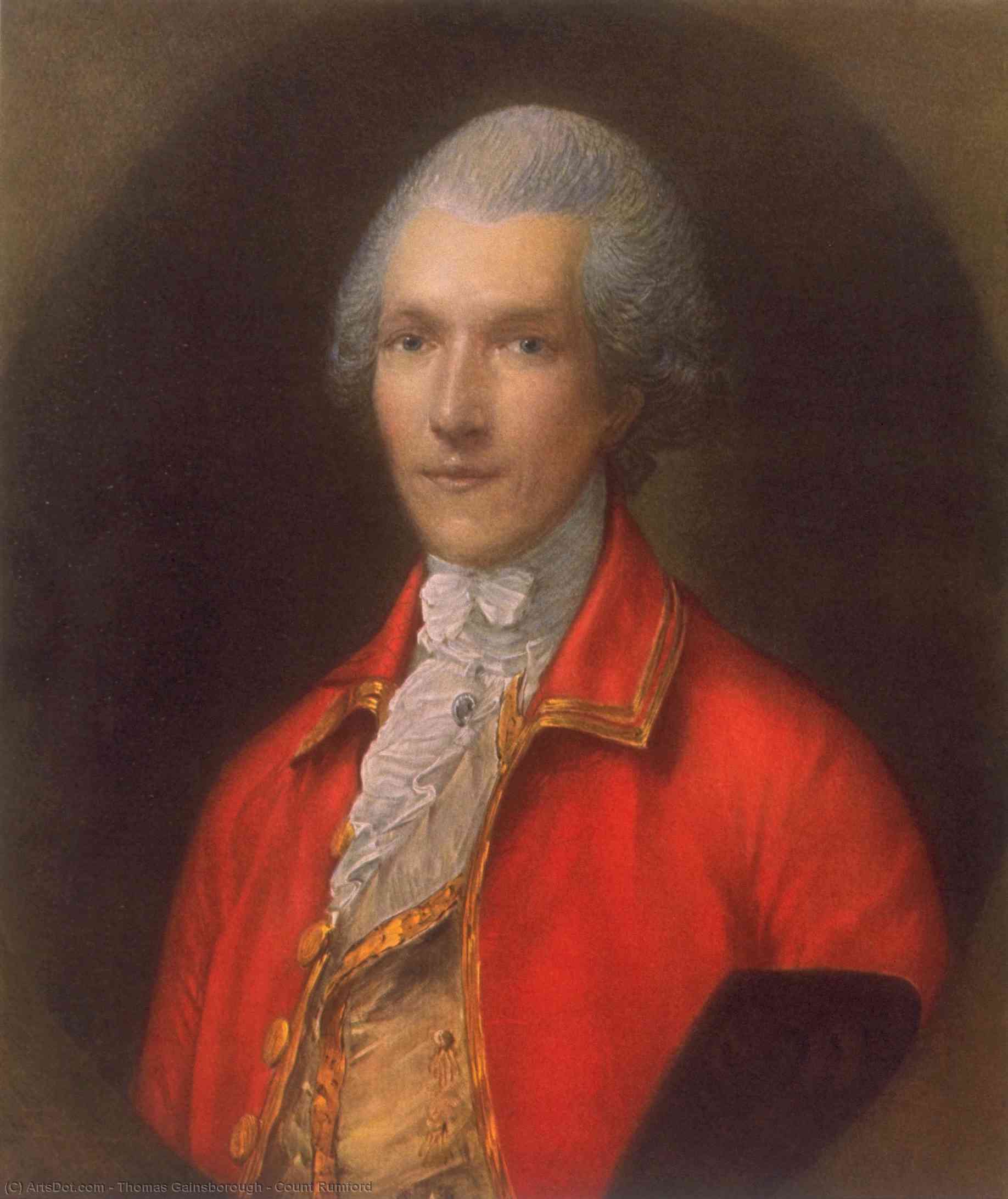
Count Rumford


 Czytaj więcej
Giclée / Wydruk artystyczny
Druk giclée lub płótno o jakości muzealnej, szybka realizacja i szeroki wybór opcji wykończenia. ( Zamów ręcznie malowaną reprodukcję Przełącz na obraz)




P118B $10

P118H $10

P118W $10

P438Z $10

P508JH $12

P508YH $12

P805H $10

P805Z $10

P919BZ $10

P919G $10

P919XJ $10

P959ZH $10

P968JZ $12

W106C $8

W218G $10

W218JH $8

W218Y $10

W307PJ $10

W316G $10

W316PJ $8

W316Y $10

W398PJ $8

W4111J $10

W500HY $15

W500JH $15

W692G $12

W849H $8

W940BG $15

W953PJ $8




Wybierz spośród naszych standardowych rozmiarów, które zachowują oryginalne proporcje dzieła sztuki.

Możesz wprowadzić własne wymiary, aby dopasować dzieło do konkretnej ramy lub przestrzeni. Jeśli wybrany rozmiar nie będzie odpowiadał proporcjom oryginalnego obrazu, przytniecie dzieło lub rozszerzymy obraz za pomocą odbicia lustrzanego lub jednolitego wypełnienia krawędzi. Przed rozpoczęciem produkcji prześlemy cyfrową wizualizację do Twojej akceptacji.
Prosimy pamiętać, że podgląd na ekranie nie odzwierciedla faktycznego przycinania ani rozszerzania. Tylko wizualizacja dokładnie pokaże końcową kompozycję.
Mimo dostępności niestandardowych rozmiarów, zalecamy wybór wymiaru z listy zdefiniowanej, aby zachować oryginalne proporcje.
Dostawa na cały świat () w ciągu 2 tygodni zamiast standardowych 4/5 tygodni. (5 Sierpień)

Bezpłatna ekspresowa wysyłka na cały świat

Wysokiej jakości płótno lniane

Pełne ubezpieczenie transportowe

Gwarancja zwrotu należności celnych i podatków importowych

Gwarancja pełnego odwzorowania kolorów

Polityka 60-dniowego zwrotu (tylko w przypadku wad)

Gwarancja 100% zwrotu pieniędzy

Oferta rabatowa przy większych zamówieniach
 Opcja ze szkłem jest dostępna wyłącznie w rozmiarach poniżej 110 cm

Count Rumford
Giclée / Wydruk artystyczny
Rozmiar reprodukcji
-


Suma do zapłaty
$ 64
Opis obiektu
A Glimpse into Eighteenth-Century Grandeur
In the quiet intensity of Thomas Gainsborough’s portraiture, one finds a profound dialogue between character and canvas. Count Rumford stands as a breathtaking testament to this mastery, capturing not merely the likeness of a man, but the very essence of an era defined by elegance and intellectual vigor. The subject, draped in a striking red coat adorned with delicate white lace trim, commands the viewer's attention against a deep, velvety black background. This stark contrast serves a dual purpose: it isolates the figure in a moment of timelessness while simultaneously pushing the vibrant pigments of the attire forward, creating a three-dimensional presence that seems to breathe within the frame. As one gazes into the subject's eyes, there is an unmistakable sense of direct engagement, a piercing gaze that suggests a man of significant stature and contemplative depth.
The technique employed by Gainsborough reflects his legendary ability to blend fluid, painterly brushwork with meticulous detail. While the overall impression is one of classical poise, a closer inspection reveals the artist's signature touch—the way light dances upon the silk of the waistcoat and the subtle textures of the lace. This interplay of light and shadow, often referred to as chiaroscuro, lends the portrait an emotional weight that transcends simple documentation. For the discerning collector or interior designer, this piece offers more than just a decorative element; it provides a focal point of historical gravity. The richness of the crimson hues paired with the somber backdrop makes it an ideal centerpiece for a sophisticated study, a formal dining room, or a gallery wall designed to evoke a sense of heritage and old-world prestige.
The Legacy of a British Master
To understand the soul of this portrait, one must look toward the origins of its creator. Born in the tranquil market town of Sudbury, Suffolk, Thomas Gainsborough emerged from a modest background to redefine the landscape of British portraiture. His early life, steeped in the pastoral beauty of the English countryside, infused his work with a unique sensitivity to light and atmosphere that would later characterize his most famous landscapes. In Count Rumford, we see the culmination of this evolution—a portrait that possesses the structural strength of formal academy painting yet retains the spontaneous, rhythmic energy of his naturalistic studies.
The historical context of the subject, Count Rumford, adds a layer of intellectual intrigue to the work. As a figure of prominence during an age of scientific and social transformation, his presence in Gainsborough's studio represents the intersection of art and the Enlightenment. Owning a high-quality reproduction of such a piece allows one to invite this historical narrative into a modern space. It is an invitation to celebrate the enduring power of the human spirit and the timeless beauty of classical aesthetics, ensuring that the legacy of Gainsborough continues to inspire awe in contemporary homes and curated collections alike.
Biografia artysty
A Suffolk Beginning: The Early Life and Artistic Awakening
The story of Thomas Gainsborough, one of Britain’s most celebrated artists, unfolds not within the confines of a grand academy or bustling metropolis, but in the tranquil market town of Sudbury, Suffolk. Born in 1727, the youngest son of John Gainsborough, a weaver and wool merchant, young Thomas displayed an innate artistic sensibility from a remarkably early age. While his siblings pursued more conventional paths, Thomas’s world rapidly became consumed by drawing and painting – miniature self-portraits and delicate landscapes blossoming from his hand even before he reached ten years old. This precocious talent wasn't merely a childhood pastime; it was the burgeoning of a vision that would reshape British art. His father, recognizing this unique gift, encouraged its development, setting young Thomas on a path diverging sharply from the family trade. The Suffolk countryside itself became his first studio, imbuing his later works with a deep and abiding love for the natural world – a characteristic that would distinguish him throughout his career. This early immersion in landscape wasn’t simply about replicating what he saw; it was about *feeling* the essence of the English countryside, an emotional resonance that would permeate his canvases for decades to come.London and the Shaping of a Style: Influences and Early Commissions
In 1740, at the age of thirteen, Gainsborough journeyed to London, embarking on formal artistic training under Hubert Gravelot, a French engraver renowned for his elegant rococo style. This exposure proved pivotal, introducing him to refined techniques and fashionable aesthetics. However, it was his association with William Hogarth and the St Martin’s Lane Academy that truly began to mold his artistic identity. Initially influenced by Hogarth's narrative approach – his focus on social commentary and moral lessons – Gainsborough soon charted his own course, developing a distinctive style characterized by its lightness of touch, fluid brushwork, and subtle color palettes. He absorbed lessons from various masters, including the Dutch landscape painters whose atmospheric effects he admired, yet resisted strict adherence to any single school, forging a path that blended observation with imagination. Returning to Sudbury after marrying Margaret Burr in 1746, Gainsborough established himself as a portraitist for the local gentry. This period honed his skills in capturing likenesses and character, but it was during his subsequent move to Ipswich, and later Bath, that he began attracting a more sophisticated clientele – individuals who appreciated not just accurate representation, but also artistic flair and emotional depth.Bath and Beyond: Portraiture, Landscape, and Royal Patronage
The years spent in Bath (1759-1774) marked a significant turning point in Gainsborough’s career. The city was a hub of fashionable society, providing him with ample opportunities to paint portraits of the wealthy and influential. He quickly gained renown for his ability to capture not only physical resemblance but also the personality and social standing of his sitters. His portraits weren't merely depictions; they were statements about identity and status. He experimented with new techniques, incorporating elements of Rococo style while retaining a distinctly English sensibility. However, even amidst the demands of portraiture, Gainsborough never abandoned his passion for landscape painting. In fact, he often seamlessly integrated landscapes into his portraits, creating compositions that celebrated both human subjects and the beauty of the natural world. This innovative approach – a hallmark of his style – set him apart from many of his contemporaries. The culmination of his success came with his move to London in 1774, where he established a studio on Pall Mall and became a founding member of the Royal Academy. He also secured royal patronage, becoming a favorite painter of King George III and Queen Charlotte, further solidifying his position as one of Britain’s leading artists. *Mrs. Thomas Gainsborough*, painted in 1785, exemplifies this period – an elegant portrait showcasing rococo style and muted tones.A Legacy of Innovation: Enduring Appeal and Influence
Thomas Gainsborough died in 1788, leaving behind a body of work that continues to captivate audiences today. His influence on subsequent generations of British artists is undeniable. He liberated portraiture from rigid formality, infusing it with spontaneity and emotional resonance. His loose brushwork and atmospheric effects paved the way for the Impressionists, while his lyrical landscapes inspired artists like John Constable, who deeply admired Gainsborough’s ability to capture the spirit of the English countryside. Gainsborough's legacy extends beyond technique; it lies in his profound understanding of human character and his unwavering commitment to artistic expression. He wasn’t simply a painter of portraits or landscapes; he was a storyteller, a poet of light and color, and a visionary who transformed British art.Exploring Gainsborough's World Today
Gainsborough’s House, in his birthplace of Sudbury, stands as a testament to his life and work, offering visitors an intimate glimpse into his early influences and artistic development. Christchurch Mansion in Ipswich houses a significant collection of Gainsborough paintings alongside works by Constable and other masters. Numerous museums across the United Kingdom and internationally display his masterpieces, including the National Gallery in London and the Metropolitan Museum of Art in New York. His work continues to be studied, analyzed, and celebrated, ensuring that his artistic vision will endure for generations to come. The enduring appeal of Gainsborough’s art lies not only in its technical brilliance but also in its timeless beauty and emotional depth – qualities that resonate with viewers across centuries. His paintings are a testament to the power of observation, imagination, and the enduring allure of the English landscape.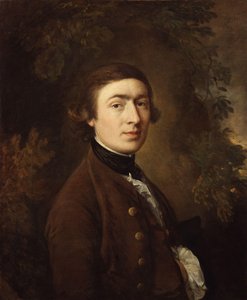
Tomasz Gainsborough
1727 - 1788 , Wielka Brytania
Najważniejsze informacje
- Artistic Movement Or Style: Rokok, Portret
- Artists Or Movements Influenced By This Artist:
- John Constable
- Impressioniści
- Artists Who Influenced This Artist:
- Hubert Gravelot
- William Hogarth
- Date Of Birth: 1727
- Date Of Death: 1788
- Full Name: Thomas Gainsborough
- Nationality: Brytyjski
- Notable Artworks:
- Pan i Pani Andrews
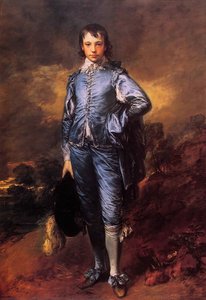
- Chłopiec niebieski
- Place Of Birth (City And Country): Sudbury, Anglia
Zobacz także powiązane artykuły

Portret w Sztuce: 10 Arcydzieł Opowiadających Historie | AllPaintingsStore
Odkryj fascynujący świat portretu! Poznaj 10 arcydzieł Rembrandta, Van Gogha i Monę Lisę – historie artystów, techniki malarskie i inspiracje wnętrzarskie. Reprodukcje obrazów najwyższej jakości na AllPaintingsStore.com

Timeless Bonds: Commissioning Oil Portraits as Heirlooms of Romantic Love and Family Heritage
Commission a timeless oil portrait from skilled artists at AllPaintingsStore. Preserve your family's legacy with museum-quality paintings, crafted to cherish for generations. Expert guidance & personalized service.
Sir Joshua Reynolds: 25 Arcydzieł Pełnych Elegancji i Historii | AllPaintingsStore.com
Odkryj 25 arcydzieł Sir Joshua Reynoldsa – mistrza angielskiego rokoko i neoklasycyzmu. Poznaj historie portretów, techniki malarskie i inspiracje wnętrzarskie. Reprodukcje najwyższej jakości na AllPaintingsStore.com! Eksploruj pełną kolekcję online.

Crimson Threads of Narrative: Exploring Symbolism & Representation in Artworks Featuring the Red Dress
Explore the rich symbolism of the red dress in art history! From ancient power displays to iconic portraits like Cézanne’s 'Madame Cezanne', discover the cultural and artistic significance behind this captivating color. Expert analysis & insights.

Echa Przeszłości: Kompleksowa Eksploracja Sztuki Portretu Vintage – Style, Techniki i Trwała Popularność
Odkryj fascynującą historię portretu vintage! Eksploracja stylów, technik malarskich i symboliki portretów od renesansu po XIX wiek. Poradniki dla kolekcjonerów i miłośników sztuki.