Gwarancja zwrotu pieniędzy · 100 dni Darmowa dostawa na cały świat
449 564dzieła sztuki 30 613artyści 4 660muzea 32język
Wpis do katalogu

Letitia Leigh (1746–1838), Mrs Townley Balfour

1771. Acrylic On Canvas, 76.0 x 63.0 cm. National Trust.

Ryc. 1. Tomasz Gainsborough, Letitia Leigh (1746–1838), Mrs Townley Balfour, 1771. Przedstawiono jako wybraną przez Ciebie reprodukcję: , .

§ 1Dane katalogowe

Wymiary
76.0 x 63.0 cm

§ 2Abstrakcja

Opis obiektu

Thomas Gainsborough’s ‘Letitia Leigh’ portrays Mrs Townley Balfour with refined beauty, showcasing Gainsborough’s signature light palette and effortless brushstrokes. Alongside his celebrated landscapes like ‘Cornard Wood,’ Gainsborough established the British landscape school.

Biografia artysty

Thomas Gainsborough (1727-1788): brytyjski malarz portretowy i krajobrazowy, założyciel Royal Academy, znany z eleganckich obrazów i oddania angielskiej przyrody.

§ 3Komentarz

Thomas Gainsborough: A Vision of Suffolk’s Soul

The name Thomas Gainsborough conjures images of sunlit meadows, dignified portraits, and an understated elegance that defines the golden age of British art. Born in 1727 in Sudbury, Suffolk – a town he would revisit repeatedly throughout his life – Gainsborough wasn't merely painting landscapes; he was distilling the very essence of his surroundings into canvases imbued with profound beauty and psychological depth.

  • Early Influences: Gainsborough’s artistic journey began before formal training, nurtured by a father who recognized his son’s exceptional talent for drawing from childhood. These early explorations focused on capturing the subtleties of Suffolk's rural scenery – the dappled light filtering through ancient oaks, the quiet contemplation of shepherds tending their flocks.
  • The Landscape School: Gainsborough is credited alongside Richard Wilson as establishing the British landscape school, a revolutionary movement that prioritized atmospheric perspective and tonal gradation to convey mood and emotion rather than simply depicting topographical accuracy. His canvases aren’t mere representations of places; they are invitations into contemplative spaces where nature speaks volumes about human experience.

Consider “Gainsborough's Forest” (Cornard Wood), completed in 1746. This masterpiece exemplifies Gainsborough’s technique – a rapid, confident brushstroke combined with a luminous palette—to create an immersive panorama of Cornard Wood. The artist skillfully employs tonal shading to sculpt the contours of the trees and undergrowth, capturing the ethereal quality of twilight and conveying a sense of serene solitude.

  • Symbolism & Emotion: Beyond its technical brilliance, “Cornard Wood” resonates with symbolic significance. The solitary figure glimpsed in the distance represents humanity’s yearning for connection with the natural world—a theme recurrent throughout Gainsborough's oeuvre.

His portraits, too, possessed a remarkable ability to penetrate beneath surface appearances, revealing character and emotion with uncanny precision. Gainsborough’s subjects weren’t simply rendered physically; they were psychologically explored, capturing their inner lives with sensitivity and insight.

Letitia Leigh (1746–1838), Mrs Townley Balfour

Painted in 1771, “Letitia Leigh” exemplifies Gainsborough’s masterful portraiture style. The sitter is depicted in a pose of quiet dignity, bathed in soft light—a hallmark of Gainsborough's approach to capturing the human form. His meticulous attention to detail—the delicate folds of Mrs Townley Balfour’s gown, the subtle expression on her face—demonstrates his unwavering commitment to artistic excellence.

  • Composition & Technique: Gainsborough skillfully employs pyramidal composition to create a balanced and harmonious image, guiding the viewer's eye towards the central figure. The use of chiaroscuro – dramatic contrasts between light and shadow – enhances the portrait’s emotional impact, conveying both beauty and melancholy.

Gainsborough’s legacy extends far beyond his individual paintings; he established the Royal Academy in 1769, shaping the future of British art and fostering a tradition of artistic innovation that continues to inspire artists today. His canvases remain treasured symbols of Suffolk's pastoral charm and enduring testament to the transformative power of beauty.

Pytania i odpowiedzi

Jaki klimat wnosi „Letitia Leigh (1746–1838), Mrs Townley Balfour” – Tomasz Gainsborough do wnętrza?

„Letitia Leigh (1746–1838), Mrs Townley Balfour” – Tomasz Gainsborough ma Elegant atmosferę i jest polecane do Living Room. Nastrój to to, co dzieło wnosi do otaczającej je przestrzeni.

Czy dzieło "Letitia Leigh (1746–1838), Mrs Townley Balfour" znajduje się w domenie publicznej?

Status praw autorskich dla „Letitia Leigh (1746–1838), Mrs Townley Balfour” – Tomasz Gainsborough: dzieło znajduje się w należy do domeny publicznej – autorskie prawa majątkowe wygasły. Określa to, czy reprodukcje obrazu mogą być sporządzane swobodnie.

Na którym etapie kariery Tomasz Gainsborough znajduje się dzieło „Letitia Leigh (1746–1838), Mrs Townley Balfour”, biorąc pod uwagę jego datę powstania?

Biorąc pod uwagę datę powstania (1771), dzieło „Letitia Leigh (1746–1838), Mrs Townley Balfour” wpisuje się w Mature Landscape Style twórczości Tomasz Gainsborough.
§ 4Artysta

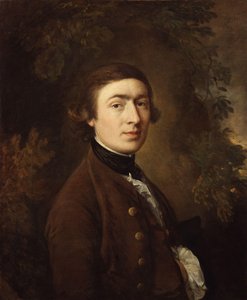
Tomasz Gainsborough

Tomasz Gainsborough

1727 - 1788, Wielka Brytania

Krótkie informacje o Tomasz Gainsborough

  • Artistic Movement Or Style: Rokok, Portret
  • Artists Or Movements Influenced By This Artist:
    • John Constable
    • Impressioniści
  • Artists Who Influenced This Artist:
    • Hubert Gravelot
    • William Hogarth
  • Date Of Birth: 1727
  • Date Of Death: 1788
  • Full Name: Thomas Gainsborough
  • Nationality: Brytyjski
  • Notable Artworks:
    • Pan i Pani Andrews
    • Chłopiec niebieski
  • Place Of Birth (City And Country): Sudbury, Anglia

Biografia artysty

A Suffolk Beginning: The Early Life and Artistic Awakening

The story of Thomas Gainsborough, one of Britain’s most celebrated artists, unfolds not within the confines of a grand academy or bustling metropolis, but in the tranquil market town of Sudbury, Suffolk. Born in 1727, the youngest son of John Gainsborough, a weaver and wool merchant, young Thomas displayed an innate artistic sensibility from a remarkably early age. While his siblings pursued more conventional paths, Thomas’s world rapidly became consumed by drawing and painting – miniature self-portraits and delicate landscapes blossoming from his hand even before he reached ten years old. This precocious talent wasn't merely a childhood pastime; it was the burgeoning of a vision that would reshape British art. His father, recognizing this unique gift, encouraged its development, setting young Thomas on a path diverging sharply from the family trade. The Suffolk countryside itself became his first studio, imbuing his later works with a deep and abiding love for the natural world – a characteristic that would distinguish him throughout his career. This early immersion in landscape wasn’t simply about replicating what he saw; it was about *feeling* the essence of the English countryside, an emotional resonance that would permeate his canvases for decades to come.

London and the Shaping of a Style: Influences and Early Commissions

In 1740, at the age of thirteen, Gainsborough journeyed to London, embarking on formal artistic training under Hubert Gravelot, a French engraver renowned for his elegant rococo style. This exposure proved pivotal, introducing him to refined techniques and fashionable aesthetics. However, it was his association with William Hogarth and the St Martin’s Lane Academy that truly began to mold his artistic identity. Initially influenced by Hogarth's narrative approach – his focus on social commentary and moral lessons – Gainsborough soon charted his own course, developing a distinctive style characterized by its lightness of touch, fluid brushwork, and subtle color palettes. He absorbed lessons from various masters, including the Dutch landscape painters whose atmospheric effects he admired, yet resisted strict adherence to any single school, forging a path that blended observation with imagination. Returning to Sudbury after marrying Margaret Burr in 1746, Gainsborough established himself as a portraitist for the local gentry. This period honed his skills in capturing likenesses and character, but it was during his subsequent move to Ipswich, and later Bath, that he began attracting a more sophisticated clientele – individuals who appreciated not just accurate representation, but also artistic flair and emotional depth.

Bath and Beyond: Portraiture, Landscape, and Royal Patronage

The years spent in Bath (1759-1774) marked a significant turning point in Gainsborough’s career. The city was a hub of fashionable society, providing him with ample opportunities to paint portraits of the wealthy and influential. He quickly gained renown for his ability to capture not only physical resemblance but also the personality and social standing of his sitters. His portraits weren't merely depictions; they were statements about identity and status. He experimented with new techniques, incorporating elements of Rococo style while retaining a distinctly English sensibility. However, even amidst the demands of portraiture, Gainsborough never abandoned his passion for landscape painting. In fact, he often seamlessly integrated landscapes into his portraits, creating compositions that celebrated both human subjects and the beauty of the natural world. This innovative approach – a hallmark of his style – set him apart from many of his contemporaries. The culmination of his success came with his move to London in 1774, where he established a studio on Pall Mall and became a founding member of the Royal Academy. He also secured royal patronage, becoming a favorite painter of King George III and Queen Charlotte, further solidifying his position as one of Britain’s leading artists. *Mrs. Thomas Gainsborough*, painted in 1785, exemplifies this period – an elegant portrait showcasing rococo style and muted tones.

A Legacy of Innovation: Enduring Appeal and Influence

Thomas Gainsborough died in 1788, leaving behind a body of work that continues to captivate audiences today. His influence on subsequent generations of British artists is undeniable. He liberated portraiture from rigid formality, infusing it with spontaneity and emotional resonance. His loose brushwork and atmospheric effects paved the way for the Impressionists, while his lyrical landscapes inspired artists like John Constable, who deeply admired Gainsborough’s ability to capture the spirit of the English countryside. Gainsborough's legacy extends beyond technique; it lies in his profound understanding of human character and his unwavering commitment to artistic expression. He wasn’t simply a painter of portraits or landscapes; he was a storyteller, a poet of light and color, and a visionary who transformed British art.

Exploring Gainsborough's World Today

Gainsborough’s House, in his birthplace of Sudbury, stands as a testament to his life and work, offering visitors an intimate glimpse into his early influences and artistic development. Christchurch Mansion in Ipswich houses a significant collection of Gainsborough paintings alongside works by Constable and other masters. Numerous museums across the United Kingdom and internationally display his masterpieces, including the National Gallery in London and the Metropolitan Museum of Art in New York. His work continues to be studied, analyzed, and celebrated, ensuring that his artistic vision will endure for generations to come. The enduring appeal of Gainsborough’s art lies not only in its technical brilliance but also in its timeless beauty and emotional depth – qualities that resonate with viewers across centuries. His paintings are a testament to the power of observation, imagination, and the enduring allure of the English landscape.

§ 5Podobne dzieła

§ 6Pytania

Najważniejsze informacje

  • Year: 1771
  • Dimensions: 76 x 63 cm
  • Title: Letitia Leigh (1746–1838), Mrs Townley Balfour
  • Notable elements or techniques: Light palette; Easy strokes
  • Subject or theme: Portraiture
  • Location: National Gallery, London

§ 7Cytuj ten wpis

AllPaintingsStore.com, “Tomasz Gainsborough, Letitia Leigh (1746–1838), Mrs Townley Balfour (1771)”, https://allpaintingsstore.com/pl/art/thomas-gainsborough-letitia-leigh-1746-1838-mrs-townley-balfour-ARJEUL-en/ (dostęp dnia 6 Październik 2026).

§ 8Reprodukcja dzieła

Ręcznie malowana reprodukcja olejowa

Ręcznie malowany obraz olejny na płótnie, wykonany na zamówienie przez naszych artystów w wybranym przez Ciebie wymiarze i oprawie. ( Przełącz na wydania drukowane Przejdź do wersji cyfrowej)

Informacja ta widnieje na marginesie arkusza zamówienia; obecny stan tego arkusza przedstawia się następująco.

Letitia Leigh (1746–1838), Mrs Townley Balfour

Technika reprodukcji

Wymiary reprodukcji

-

Wybitny mistrz artystyczny

Większa szczegółowość, finezja i dodatkowy czas na realizację

-

Opcje oprawy reprodukcji

-

-

W przypadku dzieł sztuki lub reprodukcji, których którykolwiek z boków przekracza 105 cm (około 41 cali), rama zostanie wysłana w formie zestawu do samodzielnego montażu. Metoda ta zapewnia bezpieczną dostawę i zapobiega uszkodzeniom podczas transportu.

Wymagany profesjonalny montaż – nie jest to produkt typu DIY.
Zestaw musi zostać złożony, a płótno naciągnięte przez doświadczonego profesjonalnego ramiarza, przy użyciu kleju do drewna (brak w zestawie), kleszczy do naciągania płótna oraz ścisków, które utrzymają krosna w równej pozycji podczas schnięcia kleju. Nieprawidłowy montaż lub nierównomierne napięcie płótna może trwale uszkodzić dzieło sztuki i nie podlega naszej gwarancji.

  • W zestawie znajdują się wszystkie listwy z litego drewna, precyzyjnie docięte do wymiarów.

  • Montaż odbywa się przy użyciu dołączonych wkrętów oraz kleju do drewna do łączenia narożników, którego zestaw nie zawiera i który musi zostać dostarczony przez ramiarza.

  • Wymagane są profesjonalne narzędzia, których nie ma w zestawie: kleszcze do naciągania płótna (napinacz) oraz zaciski, które pozwolą utrzymać listwy w równej pozycji podczas schnięcia kleju.

Ważne:
Do połączenia narożników niezbędny jest klej do drewna, listwy należy unieruchomić za pomocą ścisków do momentu całkowitego wyschnięcia kleju, a naciągnięcie płótna na złożoną ramę wymaga użycia kleszczy do naciągania płótna. Żaden z tych elementów nie jest dołączony do zestawu. Przed zamówieniem tego rozmiaru zalecamy konsultację z doświadczonym ramiarzem.

Etykieta obiektu

-

-

Lakier ochronny

Lakier z połyskiem (pogłębia kolory, chroni przed światłem i wilgocią)

-

Personalizacja dzieła

Przykłady możliwości personalizacji: zastąp twarz zdjęciem klienta; dodaj zwierzę domowe (np. zamień kota na psa); umieść ukrytą wiadomość w tle; zmień krajobraz lub elementy tła.

-

Ekspresowa

Dostawa na cały świat () w ciągu 3–4 tygodni zamiast standardowych 5 tygodni. (3 Listopad). Bez kompromisów w kwestii jakości.

-

Przesyłka ekspresowa

Dostawa na cały świat () w ciągu 5 tygodni. (10 Listopad).

W cenie

Cena całkowita

zł 1009

W każdym zamówieniu

  • Bezpłatna ekspresowa wysyłka na cały świat
  • Wysokiej jakości płótno lniane
  • Pełne ubezpieczenie przesyłki
  • Gwarancja zwrotu należności celnych i podatków importowych
  • Gwarancja wiernego odwzorowania kolorów
  • 100-dniowa polityka zwrotów (tylko w przypadku wad)
  • Gwarancja 100% zwrotu pieniędzy
  • Zniżka przy zakupie wielu sztuk
Arkusz zamówień