


 Podgląd w skali 1:1
 Wyślij jako kartkę
 Udostępnij
 Szczegóły dzieła
 Przewodnik

 Pobierz obraz
 Podobne obiekty
 RTG
RTG Pokaz slajdów
 Q&A
Q&A Statystyki
The Supper at Emmaus


 Rozwiń treść
Ręcznie malowana reprodukcja olejowa
Ręcznie malowany obraz olejny na płótnie, wykonany na zamówienie przez naszych artystów w wybranym przez Ciebie wymiarze i oprawie. ( Przełącz na wydania drukowane Przejdź do wersji cyfrowej)




P118B zł10

P118H zł10

P118W zł10

P438Z zł10

P508JH zł12

P508YH zł12

P805H zł10

P805Z zł10

P919BZ zł10

P919G zł10

P919XJ zł10

P959ZH zł10

P968JZ zł12

W106C zł8

W218G zł10

W218JH zł8

W218Y zł10

W307PJ zł10

W316G zł10

W316PJ zł8

W316Y zł10

W398PJ zł8

W4111J zł10

W500HY zł15

W500JH zł15

W692G zł12

W849H zł8

W940BG zł15

W953PJ zł8




Wybierz spośród naszych standardowych rozmiarów, które zachowują oryginalne proporcje dzieła sztuki.

Wpisz wymaganą szerokość i wysokość, aby obraz pasował do Twojej ramy lub ściany. Ponieważ jest to dzieło malowane ręcznie, w przypadku rozmiaru o innych proporcjach artysta może domalować nieco więcej wokół obrazu lub przyciąć jego fragmenty — wybór należy do Ciebie. Przed rozpoczęciem pracy prześlemy Ci cyfrową wizualizację do zatwierdzenia. Obraz widoczny na tej stronie nie przedstawia rzeczywistego efektu — jedynie wizualizacja oddaje realny rezultat.
Po złożeniu zamówienia zespół AllPaintingsStore.com skontaktuje się z klientem drogą mailową w celu uzyskania instrukcji i prześle wizualizację projektu
Dostawa na całym świecie () w ciągu 3–4 tygodni zamiast standardowych 5 tygodni. (28 Październik). Bez kompromisów w kwestii jakości.

Bezpłatna ekspresowa wysyłka na cały świat

Wysokiej jakości płótno lniane

Pełne ubezpieczenie przesyłki

Gwarancja zwrotu należności celnych i podatków importowych

Gwarancja wiernego odwzorowania kolorów

100-dniowa polityka zwrotów (tylko w przypadku wad)

Gwarancja 100% zwrotu pieniędzy

Zniżka przy zakupie wielu sztuk
 Opcja ze szkłem jest dostępna wyłącznie w rozmiarach poniżej 110 cm

The Supper at Emmaus
Technika reprodukcji
Wymiary reprodukcji
-


Cena całkowita
zł 994
A Moment of Revelation: The Story Behind Titian’s “Supper at Emmaus”
Titian’s “Supper at Emmaus,” a painting steeped in the profound drama of the Gospels, isn't merely a depiction of a biblical scene; it’s an invitation into a moment of spiritual awakening. Completed around 1534, this work transcends its religious subject matter to become a powerful meditation on faith, doubt, and the transformative power of encountering the divine. The painting captures the pivotal encounter between Jesus Christ and two disciples on their journey to Emmaus—an event that fundamentally altered their understanding of his resurrection. It’s a scene brimming with quiet intensity, a carefully constructed tableau designed to resonate deeply with viewers across centuries.
The composition itself is masterfully orchestrated. Titian eschews the dramatic gestures and overt expressions often associated with religious art of the period, opting instead for a subtle realism that draws the viewer into the intimate exchange between Jesus and his disciples. The figures are rendered with an almost photographic precision—notice the folds of their garments, the texture of the bread, even the individual strands of wicker in the basket of fruit. This meticulous detail wasn’t simply about accuracy; it was a deliberate choice to ground the ethereal subject matter in a tangible reality, making the miraculous encounter all the more believable and emotionally resonant.
The Venetian Master at Work: Technique and Color
Titian, arguably the greatest colorist of the Renaissance, wields his palette with breathtaking skill in “Supper at Emmaus.” The painting is a symphony of warm hues—rich oranges, deep reds, and earthy browns—that create an atmosphere of both warmth and solemnity. He employs a technique known as ‘sfumato,’ blurring the edges of forms and creating a hazy, atmospheric effect that softens the figures and imbues the scene with a sense of mystery. This is particularly evident in the background, which recedes into a dark, undefined space, drawing attention to the central figures.
Titian’s brushwork is loose and expressive, a departure from the more polished style favored by some of his contemporaries. He uses broad strokes to define shapes and create a sense of movement, while layering thin glazes of color to build up depth and luminosity. The use of gold leaf in the details—the fruit basket, the clothing—adds a touch of opulence and reinforces the sacred nature of the scene. It’s a testament to Titian's understanding that color wasn't just decorative; it was a powerful tool for conveying emotion and meaning.
Symbolism and Spiritual Depth
Beyond its immediate narrative, “Supper at Emmaus” is rich in symbolic detail. The basket of fruit, laden with oranges—a relatively rare sight in Renaissance paintings—is often interpreted as representing the abundance of God’s grace. The scattered crumbs on the table symbolize the broken bread of the Eucharist, a potent reminder of Christ's sacrifice and the communion shared by believers. Even the gesture of Cleopas, reaching out to grasp Jesus’ hand, is laden with significance—it represents the willingness to embrace faith despite doubt.
The painting’s setting itself contributes to its symbolic weight. The dimly lit room suggests a space of contemplation and spiritual searching. It's not a grand or celebratory scene; rather, it’s a quiet moment of revelation, a glimpse into the profound transformation that occurs when one encounters the divine. The figures are not actively engaged in conversation, but their shared gaze speaks volumes—a silent acknowledgment of the miracle they have witnessed.
A Legacy of Faith and Beauty
“Supper at Emmaus” stands as a testament to Titian’s genius and his profound understanding of human emotion. It's a painting that invites viewers to pause, reflect, and consider their own relationship with faith and the possibility of encountering the divine in unexpected places. Reproductions of this masterpiece capture only a fraction of its power—the subtle nuances of color, the delicate brushwork, and the deeply felt sense of spiritual longing that permeate every inch of the canvas. It remains a timeless depiction of one of Christianity’s most poignant stories, rendered with unparalleled beauty and insight.
Pytania i odpowiedzi
W jaki sposób "The Supper at Emmaus" balansuje światło i cień?
„The Supper at Emmaus” charakteryzuje się ogólną jasnością na poziomie shadow, a jej luminancja wynosi Soft Shadow.
Gdzie i w jakim celu zaleca się użycie "The Supper at Emmaus"?
Zalecane zastosowanie (Statement) oraz przestrzeń (Living Room) to dwie rekomendacje dla dzieła „The Supper at Emmaus” – Tycjan.
Czy istnieją dzieła podobne do „The Supper at Emmaus”?
Strona Podobne dzieła dzieła „The Supper at Emmaus” – Tycjan prezentuje powiązane utwory.
Podobne dzieła


Biografia artysty
The Venetian Titan: A Life in Color and Canvas
Tiziano Vecellio, znany na całym świecie jako Titian, stanowi monumentalną postać renesansu włoskiego – być może jego najbardziej wybitnego kolorysty i mistrza, który zdefiniował możliwości malarstwa olejne. Urodzony około 1490 roku w Pieve di Cadore, ukrytej wśród dramatycznych krajobrazów Wenecjackich Alp, jego podróż od skromnych początków do międzynarodowej chwały jest świadectwem niezwykłego talentu i niezachwianej dedykacji dla innowacji artystycznych. Szczegóły dotyczące wczesnego życia Tytiana pozostają częściowo owiane tajemnicą, jednak wiemy, że był jednym z wielu dzieci urodzonych dla Gregorio Vecellio, wojskowego, i Lucji. Rozumiejąc ich potencjał, rodzina zaaranżowała, aby młody Tiziano i jego brat Francesco podjęli naukę u artysty w Wenecji – decyzja, która na zawsze zmieniła bieg historii sztuki. Wenecja o początku XVI wieku była tętniącym życiem centrum handlu, kultury i artystycznego fermentu. Początki szkolenia Tytiana przypadły na warsztat Sebastiano Zuccato, mozaikisty, a następnie krótkie okresy pod opieką Gentile Bellini i, co najważniejsze, jego brata Giovanni. Jednak to jego związek z Giorgione – współczesnym malarzem, którego twórczość posiadała eteryczną, liryczną poetykę – okazał się najbardziej formatujący. Obaj artyści współpracowali nad kilkoma projektami, w tym na freskach zewnętrznych dla Fondaco dei Tedeschi, tętniącego życiem domu handlowego dla kupców niemieckich. Już we wczesnych pracach Tytiana jego wyjątkowe umiejętności były widoczne, zyskując uznanie wśród współczesnych i zapowiadając blask, który miał rozkwitnąć.Rozwój Artystyczny Mistrza
Artystyczny rozwój Tytiana charakteryzował się niezwykłą wszechstronnością i ciągłą eksploracją technik malarskich. Jego wczesne prace, silnie inspirowane przez Giorgione, cechują się delikatnym liryzmem i mistrzowskim wykorzystaniem koloru do tworzenia efektów atmosferycznych. Malowidła takie jak *A Man with a Quilted Sleeve* (około 1509) demonstrują jego wschodzące talenty w portrecie, uchwycując nie tylko fizyczne podobieństwo podmiotów, ale także ich wewnętrzny charakter. Wraz z dojrzałem Tytian zaczął odchodzić od subtelnych tonalności Giorgione i przyjmował bardziej zdecydowany, dramatyczny styl w użyciu koloru. *The Visitation of Mary and Elizabeth* (obecnie w Accademia, Wenecja) ilustruje tę zmianę, prezentując jego rosnącą pewność siebie w operowaniu skomplikowanymi kompozycjami i żywymi barwami. Przez całą swoją długą karierę Tytian konsekwentnie wykraczał poza granice ekspresji artystycznej. Eksperymentował z różnymi pociągnięciami pędzla – od gładkich, połączonych powierzchni po luźne, ekspresywne znaki – i opracował unikalną technikę warstwowego nakładania kolorów w celu tworzenia luminescencyjnych efektów. Jego portrety stały się znane z głębi psychologicznej i realistycznego oddawania faktur i tkanin. Jednocześnie doskonalił tematy mitologiczne i religijne, wnikając w nie z emocjonalną głębią i dramatyczną intensywnością, która urzekła odbiorców. Przykładowo *Venus of Urbino* to arcydzieło, które zdefiniowało przedstawienie nude kobiety i ugruntowało pozycję Tytiana jako lidera malarstwa weneckiego.Patronat, Prestige i Długotrwałe Wpływy
Talent Tytiana przyciągnął uwagę wpływowych mecenasów z całej Europy. Był malarzem dworskim cesarza Karola V, króla Filipa II Hiszpańskiego i papieża Pawła III, wśród innych. Ten patronat nie tylko zapewnił mu bezpieczeństwo finansowe, ale także umożliwił tworzenie monumentalnych dzieł, które prezentowały jego artystyczne umiejętności na szeroką skalę. Jego zdolność do adaptowania stylu do gustów różnych dworów, zachowując jednocześnie swój charakterystyczny głos, jest świadectwem jego niezwykłych umiejętności i dyplomatycznej zręczności. Tytian zmarł w Wenecji w 1576 roku podczas epidemii dżumy. Jego obrazy znajdują się w muzeach na całym świecie, w tym Galleria Palatina we Florencji, Prado Museum w Madrycie i National Gallery w Londynie. Doświadczenie Tytiana to spotkanie z mistrzem rzemiosła na szczycie swoich sił – malarzem, który posiadał niezrównaną zdolność do uchwycenia piękna, dramatu i złożoności ludzkiego stanu.Odkrywanie Dalszych Szczegółów
- Muzea & Kolekcje: Odkryj prace Tytiana w Scuola del Santo w Paduli i San Salvador w Wenecji, prezentujących jego zapierające dech w piersiach freski.
- Powiązane Artyści: Zbadaj wpływ Giorgione na wczesny styl Tytiana i późniejszy wpływ Tytiana na takich artystów jak Rubens i Delacroix.
- Kontekst Historyczny: Zanurz się w świat renesansu włoskiego i malarstwa weneckiego, aby w pełni docenić artystyczne osiągnięcia Tytiana.
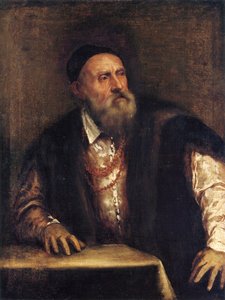
Tycjan
1490 - 1576 , Włochy
Krótka nota
- Artistic Movement Or Style: Renesans, malarstwo Wenecjańskie
- Artists Or Movements Influenced By This Artist:
- Rubens
- Delacroix
- Artists Who Influenced This Artist:
- Giovanni Bellini
- Giorgione
- Date Of Birth: c. 1490
- Date Of Death: 1576
- Full Name: Tiziano Vecellio
- Nationality: Włoski
- Notable Artworks:
- A Man with a Quilted Sleeve
- Venus Urbinońska
- Place Of Birth: Pieve di Cadore, Włochy
Powiązane artykuły

Titian: Innovation, Technique & the Venetian Renaissance Portrait Tradition
Explore the revolutionary techniques & enduring legacy of Titian, the master of Venetian Renaissance portraiture. Discover insights for collectors & appreciate his impact on art history.

Masterpieces of the Last Supper: An Art Historian's Journey Through Iconic Depictions of a Sacred Moment
Explore the profound artistry of The Last Supper through an art historian's lens. From Leonardo da Vinci’s genius to diverse Renaissance interpretations, discover the symbolism and technique behind history's most iconic sacred depictions.
Giotto di Bondone: 25 Arcydzieł Sztuki Niezmieniających Historii | AllPaintingsStore.com
Odkryj 25 arcydzieł Giotta di Bondone – renesansowego mistrza fresków. Poznaj historię, techniki i emocje w jego najsłynniejszych dziełach. Reprodukcje obrazów najwyższej jakości na AllPaintingsStore.com. Eksploruj pełną kolekcję online!

Fra Angelico: 25 Arcydzieł Sztuki Włoskiego Renesansu | Reprodukcje Obrazów Online
Odkryj 25 arcydzieł Fra Angelico – mistrza renesansu włoskiego! Poznaj historię, techniki i piękno jego fresków oraz obrazów religijnych. Reprodukcje najwyższej jakości na AllPaintingsStore.com. Eksploruj kolekcję online!
El Greco: 25 Arcydzieł Genialnego Malarza – Kolekcja dla Koneserów Sztuki i Wystroju Domu
Odkryj 25 arcydzieł El Greco – mistrza renesansu i manieryzmu. Poznaj historie, techniki i duchowość w jego obrazach. Reprodukcje najwyższej jakości na AllPaintingsStore.com. Inspiracje do wnętrz i kolekcja sztuki online!


