


1


Aktualizacja: Listopad 2026 · ranking według naszego wskaźnika popularności (liczba wyszukiwań, wizyt i zamówień dla każdego dzieła) · 1 dzieł Roberto Bompiani w naszym katalogu
Szybka odpowiedź
A Roman Feast (1850) to najsłynniejszy obraz autorstwa Roberto Bompiani; oryginał znajduje się w Muzeum J. Paula Getty'ego, Los Angeles. Nasz katalog zawiera 1 dzieł artysty Roberto Bompiani; oto 1 najsłynniejszych z nich, uszeregowanych wraz z rokiem powstania i muzeum, w którym się znajdują, aby ułatwić Ci wybór dzieła do zamówienia.
Muzeum, w którym znajduje się najwięcej obrazów prezentowanych na tej stronie.
| Muzea | Miasto | Dzieła artysty Roberto Bompiani | Obrazy z tej listy |
|---|---|---|---|
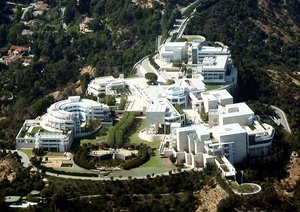 Muzeum J. Paula Getty'ego |
Los Angeles | 1 | A Roman Feast |
Każdy datowany obraz artysty Roberto Bompiani wymieniony tutaj pochodzi z 1850, ułożony w kolejności rankingowej.
Wybierz rok, aby zobaczyć jego obrazy.
A Roman Feast (1850) zajmuje pierwsze miejsce.
Roberto Bompiani miał 29 lat: A Roman Feast pochodzi z 1850, a Roberto Bompiani urodził się w 1821.
W naszym katalogu znajduje się 1 dzieł autorstwa Roberto Bompiani.
Głównie w Muzeum J. Paula Getty'ego (Los Angeles). Pełna lista znajduje się w powyższej tabeli muzeów.
Tak. Każdy obraz na tej stronie można zamówić jako ręcznie malowaną reprodukcję olejną lub wydruk. Otwórz obraz, wybierz rozmiar i złóż zamówienie.
To understand Roberto Bompiani, one must look past the surface of his polished figures and see the calculated precision of a man obsessed with historical reconstruction. He did not merely paint; he reconstructed. Known to his contemporaries as the Italian Bouguereau, Bompiani utilized a rigorous academic foundation to breathe life into the ghosts of ancient Rome. His work functions as a bridge between archaeological reality and narrative fiction. When viewing a canvas like A Roman Feast, the viewer encounters more than just a scene; they encounter a deliberate assembly of Greek, Roman, and Etruscan influences, ranging from bronze vessels to inlaid marble floors.
His technique relied on a heavy, academic discipline learned early at the Accademia di San Luca in Rome. By age fifteen, he was already navigating the complexities of design, eventually securing first prizes in both painting and sculpture. This technical versatility allowed him to move between the fluid demands of watercolor and the structural permanence of stone. His later sculptural works, such as Sappho or Ruth, demonstrate a mastery of form that mirrors the physical perfection found in his oil paintings. He avoided the messy ambiguity of more experimental movements, opting instead for a clarity of line and a smooth, marble-like finish on skin.
Bompiani’s career was defined by an ability to satisfy both the religious demands of the Papal government and the commercial appetites of the international bourgeoisie. His output was massive, spanning genres from sacred frescoes in churches like Santa Maria in Trastevere to the highly marketable neo-Pompeian subjects that found homes in Philadelphia and London. He understood the market. By blending photographic realism with idealized, noble expressions, he created a brand of historical fiction that felt authentic yet remained accessible.
The breadth of his professional impact is visible through several key areas:
Ultimately, Bompiani remains significant because he mastered the art of the controlled gaze. He did not seek to disrupt the status quo but to refine it. His work represents the peak of Roman Purism, a period where the weight of history was used to anchor the fleeting aesthetics of the late nineteenth century. He died in Rome while working on the Apotheosis of Sappho, leaving behind a body of work that remains a definitive record of academic excellence.