


1


Aktualizacja: Październik 2026 · ranking według naszego wskaźnika popularności (liczba wyszukiwań, wizyt i zamówień dla każdego dzieła) · 413 dzieł Duncan Grant w naszym katalogu
Szybka odpowiedź
Still Life, Asheham House to najsłynniejszy obraz autorstwa Duncan Grant. Vanessa Bell in a Red Headscarf (1917) zajmuje drugie miejsce, Composition with Two Women, A Boy with Basket and Three Men (one an Old Jew) (1910) trzecie. Nasz katalog zawiera 413 dzieł artysty Duncan Grant; oto 100 najsłynniejszych z nich, uszeregowanych wraz z rokiem powstania i muzeum, w którym się znajdują, aby ułatwić Ci wybór dzieła do zamówienia.


 Still Life With A Plate, Small Vase, Apples And A Glass
12
 White Roses
13
 Reclining Nude -
14
 Haystacks
15
 Lytton Strachey
16
 Still Life With Red Dahlias
17
 Seated Male Nude -
18
 Lydia Lopokova
19
 Seated Male Nude
20
 Standing Woman -
21
 Angus davidson asleep
22
 Standing Draped Nude
23
 Dancing Figure
24
 Angelica Painting
25
 Self Portrait -
26
 Helen Anrep
27
 Twickenham
28
 Lemon Gatherers
29
 Police Constable Harry Daley
30
 Two figures on a beach
31
 Wrestlers
32
 The Sofa
33
 Madonna And Child
34
 Julian Bell Reading
35
 Portrait Of Ellen Terry
36
 Tony Haines
37
 Bathing
38
 Portrait Of A Lady
39
 Girl Reading In A Garden
40
 Still Life With A Bust Of Vanessa Bell
41
 The Queen Of Sheba
42
 Commedia Dell'arte Scene
43
 The Descent From The Cross
44
 Katherine Cox In Rupert Brooke's Garden, The Old Vicarage, Grantchester
45
 Woman Sewing
46
 Farmyard Buildings At Charleston, Sussex
47
 Landscape1913
48
 Woman Sewing (possibly Mary 'Molly' McCarthy [1882-1953])1916 · Fenton House
49
 The Coffee Pot1916 · Metropolitan Museum of Art
50
 The Coffee Pot1916
51
 Landscape with Bridge1921 · The Phillips Collection
52
 View of the Backs, Cambridge1924 · Narodowa Galeria Kanady
53
 Market Day1925 · Narodowa Galeria Kanady
54
 Monk's House Garden and St Peter's Church, Rodmell1923 · Monk's House
55
 Miss Mary Coss1931 · Fitzwilliam Museum
56
 A Sussex Farm1936 · Muzeum Sztuki w Toledo
57
 Mediterranean Scene with Olive Trees and Figures by the Sea1941 · Coleton Fishacre
58
 Artist's Study at Charleston1967
59
 Design for Lilypond Table1913
60
 Waterloo Bridge, LondonMuseum of Fine Arts
61
 Nude Resting
62
 View Of The Zattere, Venice
63
 Portrait Of Paul Roche
64
 Figure
65
 Venice, Early Morning
66
 Standing Male Nude -
67
 Standing Woman
68
 Head And Torso Study
69
 Sleeping Angel
70
 Lovers Entwined
71
 Still Life With Embroided Table Cloth
72
 Ethel Grant
73
 Actors Rehearsing
74
 Vanessa Bell's Monkey
75
 The Acrobats
76
 Still Life With Bottles
77
 The Guidecca, Venice
78
 Seated Nude -
79
 Bathers -
80
 Standing Male Nude
81
 Carpet Design
82
 St.Ives Huntingdon
83
 Sketch For 'the Queen Mary'
84
 Composition
85
 Reclining Nude, Paul Roche
86
 Firle Place Design
87
 At The Ballet
88
 Self Portrait -
89
 Adrian Stephen
90
 Rotherhithe, London
91
 Paul Roche From Behind On A Stool
92
 The red pillow
93
 Rug Design, Composition
94
 The Washerwomen
95
 Lovers In A Hammock
96
 Boy With Guitar
97
 Tulips -
98
 Arcadian Scene
99
 Woodland
100
 Adam And Eve
Cztery najczęstsze tematy w tym rankingu wraz z najważniejszym dziełem dla każdego z nich.
8 muzeów, w których znajduje się najwięcej obrazów z tej strony.
| Muzeum | Miasto | Dzieła artysty Duncan Grant | Obrazy z tej listy |
|---|---|---|---|
 Monk's House |
3 | Composition with Two Women, A Boy with Basket and Three Men (one an Old Jew), Monk's House, Lewes, East Sussex, Monk's House Garden and St Peter's Church, Rodmell | |
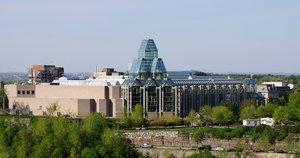 Narodowa Galeria Kanady |
Ottawa | 2 | View of the Backs, Cambridge, Market Day |
 Fenton House |
London | 1 | Woman Sewing (possibly Mary 'Molly' McCarthy [1882-1953]) |
 Metropolitan Museum of Art |
Nowy Jork | 1 | The Coffee Pot |
 The Phillips Collection |
Waszyngton | 1 | Landscape with Bridge |
 Fitzwilliam Museum |
1 | Miss Mary Coss | |
 Muzeum Sztuki w Toledo |
Toledo | 1 | A Sussex Farm |
 Coleton Fishacre |
1 | Mediterranean Scene with Olive Trees and Figures by the Sea |
Wybierz dekadę, aby zobaczyć jej najważniejszy obraz.


Still Life, Asheham House zajmuje pierwsze miejsce, a następnie Vanessa Bell in a Red Headscarf (1917) i Composition with Two Women, A Boy with Basket and Three Men (one an Old Jew) (1910).
Still Life, Asheham House, Vanessa Bell in a Red Headscarf, Composition with Two Women, A Boy with Basket and Three Men (one an Old Jew), Monk's House, Lewes, East Sussex, Paul Roche Reclining, Still Life With Carrots, The French Window, Charleston, The Cat, Opussyquinusque, Boats, St Tropez i Bea Howe. Rok powstania oraz muzeum dla każdego z nich znajdują się w powyższym rankingu.
W naszym katalogu znajduje się 413 dzieł artysty Duncan Grant, datowanych od 1910 do 1967.
Głównie w Monk's House, Narodowa Galeria Kanady (Ottawa) i Fenton House (London). Pełna lista znajduje się w powyższej tabeli muzeów.
W okresie 1910s: 7 z 100 obrazów znajdujących się na tej liście pochodzi z tego czasu, w tym Vanessa Bell in a Red Headscarf.
Najwcześniejsze na tej stronie: Composition with Two Women, A Boy with Basket and Three Men (one an Old Jew) (1910). Najnowsze: Artist's Study at Charleston (1967).
Spośród 100 obrazów sklasyfikowanych tutaj: Portrait (8), Reflection (7) i Nudes (6).
Post-impressionism, na podstawie obrazów uszeregowanych na tej stronie.
Muzeum Monk's House posiada 3 z obrazów wymienionych na tej liście, w tym Composition with Two Women, A Boy with Basket and Three Men (one an Old Jew), Monk's House, Lewes, East Sussex i Monk's House Garden and St Peter's Church, Rodmell.
