Gwarancja zwrotu pieniędzy · 100 dni Darmowa dostawa na cały świat
646 446dzieła sztuki 53 409artyści 5 406muzea 32język
Portret William Brymner

34 najsłynniejszych obrazów artysty William Brymner do wyboru

Aktualizacja: Październik 2026 · ranking według naszego wskaźnika popularności (liczba wyszukiwań, wizyt i zamówień dla każdego dzieła) · 34 dzieł William Brymner w naszym katalogu

Szybka odpowiedź

Najpopularniejszym dziełem wśród obrazów William Brymner jest Champ-de-Mars, Winter (1892). Na drugim i trzecim miejscu: Crazy Patchwork (1886) oraz The old spinner, île d'Orléans (1883). Nasz katalog zawiera 34 dzieł autorstwa William Brymner. Wymienione poniżej 34 pozycji to najsłynniejsze z nich, uszeregowane według rangi, wraz z rokiem powstania i muzeum, w którym znajduje się oryginał.

1855 – 1925, Greenock Impressionism Najwięcej dzieł: Narodowa Galeria Kanady

Top 10: najsłynniejsze obrazy artysty William Brymner

1
Champ-de-Mars, Winter (1892) autorstwa William Brymner

Champ-de-Mars, Winter

1892 · Oil On Canvas

Snow blankets the Champ-de-Mars, turning the urban landscape into a soft, white expanse that swallows the harsh edges of the city. The air feels heavy with a quiet chill, yet there is a palpable sense of life moving through the frost. People gather in small clusters, their figures softened by the winter light, seeking warmth in each other's company. Some hold umbrellas aloft, not just to ward off falling flakes,…

2
Crazy Patchwork (1886) autorstwa William Brymner

Crazy Patchwork

1886 · Oil On Canvas · Narodowa Galeria Kanady, Ottawa

There is a profound stillness in this 1886 oil on canvas, a moment captured in the soft, filtered light of a domestic interior. A young girl, identified as the artist's own sister, sits nestled within the deep folds of a large, upholstered armchair. She is absorbed in the rhythmic, solitary task of sewing, her white gown catching the gentle illumination that spills from a window on the left. The scene…

4
Young Lady (1910) autorstwa William Brymner

Young Lady

1910 · Oil On Panel · Narodowa Galeria Kanady, Ottawa

This intimate portrait, titled Young Lady, was painted by William Brymner. It is an oil on panel that captures a quiet moment of reflection. The work dates to about 1910, a period when the artist was deeply engaged with the evolving visual language of his time.

Od 11 do 34 miejsca: więcej obrazów autorstwa William Brymner

Obrazy artysty William Brymner według tematu

Cztery najczęstsze tematy w tym rankingu wraz z najważniejszym dziełem dla każdego z nich.

Muzea posiadające oryginały artysty William Brymner

3 muzeów, w których znajduje się najwięcej obrazów z tej strony.

Muzeum Miasto Dzieła artysty William Brymner Obrazy z tej listy
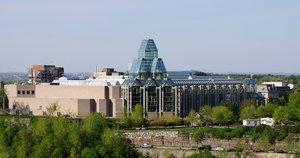
Narodowa Galeria Kanady, OttawaNarodowa Galeria Kanady Ottawa 15 Crazy Patchwork, Young Lady, Four Girls in a Meadow, Baie-Saint-Paul
Musée national des beaux-arts du Québec, Quebec CityMusée national des beaux-arts du Québec Quebec City 8 The old spinner, île d'Orléans, In County Cork, Ireland, In the shade of the apple tree
The Robert McLaughlin Gallery, OshawaThe Robert McLaughlin Gallery Oshawa 1 Mount Cheops from Rogers Pass

Najlepszy obraz dekady: William Brymner

Dzieła według dekad

Wybierz dekadę, aby zobaczyć jej najważniejszy obraz.

Obrazy: William Brymner – FAQ

Które dzieło jest najsłynniejszym dziełem William Brymner?Pokaż odpowiedź

Champ-de-Mars, Winter (1892) zajmuje pierwsze miejsce, a następnie Crazy Patchwork (1886) i The old spinner, île d'Orléans (1883).

W jakim wieku William Brymner namalował/a Champ-de-Mars, Winter?Pokaż odpowiedź

William Brymner miał 37 lat: Champ-de-Mars, Winter pochodzi z 1892, a William Brymner urodził się w 1855.

Jakie są dziesięć najsłynniejszych obrazów, których autorem jest William Brymner?Pokaż odpowiedź

Champ-de-Mars, Winter, Crazy Patchwork, The old spinner, île d'Orléans, Young Lady, Four Girls in a Meadow, Baie-Saint-Paul, With Dolly at the Sabot-makers, In County Cork, Ireland, The Picture Book, In the shade of the apple tree i Haying near Quegec, Beaupré. Rok powstania oraz muzeum dla każdego z nich znajdują się w powyższym rankingu.

Ile obrazów artysty William Brymner znajduje się na liście?Pokaż odpowiedź

W naszym katalogu znajduje się 34 dzieł artysty William Brymner, datowanych od 1883 do 1921.

W których muzeach znajdują się najsłynniejsze oryginały dzieł William Brymner?Pokaż odpowiedź

Głównie w Narodowa Galeria Kanady (Ottawa), Musée national des beaux-arts du Québec (Quebec City) i The Robert McLaughlin Gallery (Oshawa). Pełna lista znajduje się w powyższej tabeli muzeów.

Kiedy powstały najważniejsze obrazy artysty William Brymner?Pokaż odpowiedź

W okresie 1880s: 9 z 34 obrazów znajdujących się na tej liście pochodzi z tego czasu, w tym Crazy Patchwork.

Jakie są najstarsze i najnowsze słynne obrazy artysty William Brymner?Pokaż odpowiedź

Najwcześniejsze na tej stronie: The old spinner, île d'Orléans (1883). Najnowsze: Martigues (1921).

Jakie tematy najczęściej pojawiają się na obrazach William Brymner?Pokaż odpowiedź

Spośród 34 obrazów sklasyfikowanych tutaj: Landscape (4) i Summer (2).

Która technika jest najczęstsza w obrazach William Brymner?Pokaż odpowiedź

Oil On Canvas, spośród 4 z 34 obrazów sklasyfikowanych tutaj.

Do jakiego nurtu należą obrazy William Brymner?Pokaż odpowiedź

Impressionism, na podstawie obrazów uszeregowanych na tej stronie.

Jakie słynne obrazy William Brymner znajdują się w Narodowa Galeria Kanady?Pokaż odpowiedź

Muzeum Narodowa Galeria Kanady, Ottawa posiada 15 z obrazów wymienionych na tej liście, w tym Crazy Patchwork, Young Lady i Four Girls in a Meadow, Baie-Saint-Paul.

Czy mogę kupić reprodukcję obrazu William Brymner?Pokaż odpowiedź

Tak. Każdy obraz na tej stronie można zamówić jako ręcznie malowaną reprodukcję olejną lub wydruk. Otwórz obraz, wybierz rozmiar i złóż zamówienie.

William Brymner: artysta stojący za tymi dziełami

A Pioneer Forging a Canadian Vision

William Brymner, born in Greenock, Scotland in 1855, stands as a pivotal figure in the development of Canadian art—a bridge between the established traditions of academic painting and the burgeoning currents of modernism. His life’s journey, marked by both rigorous training and an adventurous spirit, ultimately shaped a uniquely Canadian artistic identity. The Brymner family's emigration to Melbourne, Lower Canada (present-day Quebec) in 1857, and their subsequent move to Montreal in 1864, planted the seeds of his connection to the land that would become central to his artistic vision. Initially drawn to architecture, a practical pursuit reflecting his father’s stable career as Dominion Archivist, Brymner soon discovered his true calling lay within the realm of painting. This pivotal shift led him to Paris in 1878, where he enrolled at the prestigious Académie Julian, immersing himself in the world of fine art under the tutelage of William-Adolphe Bouguereau and Tony Robert-Fleury. These masters, renowned for their ‘grand manner’ naturalism, instilled in Brymner a foundation of technical skill and compositional understanding that would remain with him throughout his career.

Parisian Influences and Artistic Development

The Parisian art scene proved transformative for the young artist. While mastering academic techniques—particularly Bouguereau's meticulous realism—Brymner simultaneously absorbed the influence of Jean-Louis Ernest Meissonier, whose detailed depictions of historical scenes captivated him. He deliberately rejected grand narratives and mythological themes, opting instead for intimate domestic portraits and evocative landscapes—a conscious decision to portray the Canadian world with honesty and sensitivity. This period witnessed Brymner skillfully balancing academic rigor with the emerging Impressionistic tendencies dominating the art landscape. His style began to evolve, demonstrating a growing awareness of light’s subtle nuances and its ability to shape perception. Pieces like “Two Girls Reading” (1898) exemplify this early mastery, showcasing his capacity to capture fleeting moments and imbue them with quiet emotion. He wasn't merely replicating what he saw; he was interpreting it through a lens informed by both tradition and innovation. Brymner’s dedication to capturing the atmosphere of Quebec landscapes—particularly Ile aux Coudres—became a hallmark of his oeuvre, reflecting his profound connection to his homeland.

Returning to Canada: Teacher and Innovator

In 1886, Brymner returned to Montreal after nearly seven years of intermittent residence in Paris, establishing himself as a prominent art teacher and significantly impacting the next generation of Canadian artists. He became Director of the Art Association of Montreal school from 1886 to 1921, fostering an environment that encouraged experimentation and challenged conventional artistic norms. His landscapes frequently depicted scenes around Quebec and the Maritimes, capturing the natural beauty of Canada with a growing Impressionistic flair. Works like “In the Orchard (Spring)” (1892) and his paintings of Ile aux Coudres demonstrate this evolving approach—a loosening of brushwork, a heightened sensitivity to color, and an emphasis on capturing the atmosphere of a place rather than simply its physical appearance. Brymner’s influence extended far beyond his individual canvases; he was shaping a movement. He championed the ideas of artists like Emily Coonan, who embraced Impressionistic techniques—a testament to Brymner's commitment to artistic freedom and innovation.

A Legacy of Modernism

Brymner played a crucial role in fostering modern art movements within Canada, and many members of the Beaver Hall Group—a collective of Montreal artists known for their modernist styles—studied under his guidance. He encouraged his students to push boundaries, explore new techniques, and develop their own unique artistic voices. This unwavering dedication to innovation earned him recognition from the Royal Canadian Academy of Arts (RCA), where he became vice-president in 1907 and president in 1909—a significant accomplishment for a Canadian artist at that time. His works continue to be exhibited and celebrated as important examples of late 19th and early 20th-century Canadian art, reminding us of his enduring contribution to the nation’s cultural heritage. He left behind not only a body of beautiful and insightful paintings but also a generation of artists equipped to carry the torch of Canadian modernism forward—solidifying his place as a true pioneer of Canadian art.

Major Works & Continued Influence

Beyond “In the Orchard (Spring)” and “Two Girls Reading”, Brymner’s artistic output included "Frontenac Receiving Sir William Philip's Envoy"—a masterful depiction of historical grandeur—and “Summer Landscape”—a quintessential Impressionistic portrayal of Quebec’s serene beauty. His influence can be seen in the work of artists like Salvador Dalí, who drew inspiration from Surrealist aesthetics and explored dreamlike imagery. Brymner’s legacy extends beyond his individual canvases; he fostered a movement that redefined Canadian artistic expression—one rooted in European influences yet distinctly shaped by the landscapes and experiences of Canada itself. He remains a cornerstone of Canadian art history.

Wszystkie 34 dzieła artysty William Brymner →