


 Visualizar na parede
 Compartilhar
 Compartilhar
 Detalhes
 Guia
Guia

 Baixar imagem
 Semelhantes
 Raio X
 Ver diaporama
 Estatísticas
Studio Interior with Casts
 Oil On Canvas
- WallArt
- Realism
 1852
1852 61.0 x 44.0 cm
 Nationalgalerie
 Ler mais
Giclée / Impressão de Arte
Impressão giclée ou em tela de qualidade de museu, com produção rápida e opções flexíveis de acabamento. ( Comprar pintura feita à mão Alternar para Imagem Digital)




P118B €10

P118H €10

P118W €10

P438Z €10

P508JH €12

P508YH €12

P805H €10

P805Z €10

P919BZ €10

P919G €10

P919XJ €10

P959ZH €10

P968JZ €12

W106C €8

W218G €10

W218JH €8

W218Y €10

W307PJ €10

W316G €10

W316PJ €8

W316Y €10

W398PJ €8

W4111J €10

W500HY €15

W500JH €15

W692G €12

W849H €8

W940BG €15

W953PJ €8




Escolha entre os nossos tamanhos pré-definidos que respeitam as proporções originais da obra de arte.

Insira a largura e a altura desejadas para se ajustarem à sua moldura ou parede. Uma impressão pode ser apenas cortada, nunca ampliada além da imagem original; portanto, um tamanho com proporções diferentes resultará na perda de parte da imagem. Enviamos uma maquete digital para sua aprovação antes de realizarmos a impressão. A imagem exibida nesta página não mostra o corte real — apenas a maquete o faz.
Entrega mundial () em 2 semanas, em vez das 4/5 semanas padrão. (27 Outubro)

Envio expresso gratuito para todo o mundo

Tela de Linho de Alta Qualidade

Seguro de transporte completo

Garantia de Reembolso de Impostos Alfandegários

Garantia de Fidelidade Cromática

Política de Devolução em 100 Dias (Apenas para Defeitos)

Garantia de reembolso de 100%

Oferta de desconto por quantidade
 A opção de vidro está disponível apenas para tamanhos inferiores a 110 cm

Studio Interior with Casts
Giclée / Impressão de Arte
Tamanho da Reprodução
-


Preço Total
€ 56
Studio Interior with Casts: A Glimpse into Menzel’s Realist World
Adolph von Menzel's "Studio Interior with Casts," painted in 1852, isn’t merely a depiction of an artist’s workspace; it’s a meticulously observed meditation on the processes of creation, decay, and the very nature of representation. The painting immediately draws the eye to the central figure – a torso cast from clay, positioned dramatically against a dark background, bathed in the diffused light of a window. This isn't a romanticized portrayal of artistic genius; instead, Menzel presents a scene steeped in quiet contemplation and a subtle sense of melancholy. It’s a work that invites prolonged viewing, revealing layers of meaning within its seemingly straightforward composition. The painting speaks volumes about the realities of 19th-century art production – the physicality of sculpting, the transient nature of form, and the artist's relationship to his materials.The Anatomy of Observation: Technique and Detail
Menzel’s mastery lies in his painstaking attention to detail, a hallmark of German Realism. He employs a technique that blends meticulous observation with a deliberate sense of theatricality. The casts themselves are rendered with astonishing realism – the rough texture of the clay, the subtle variations in color, even the faint traces of fingerprints left by the sculptor’s hands. Menzel doesn't shy away from depicting imperfections; these flaws become integral to the painting’s power. Notice how he uses chiaroscuro—the dramatic contrast between light and shadow—to sculpt the forms, emphasizing their three-dimensionality and creating a palpable sense of volume. The muted palette – dominated by browns, grays, and ochres – contributes to the overall atmosphere of somber reflection. The artist’s use of loose brushstrokes adds an element of immediacy, suggesting that this scene was captured in a fleeting moment.A Historical Context: Prussian Sculpture and Artistic Identity
To fully appreciate “Studio Interior with Casts,” it's crucial to understand its historical context within Prussia during the mid-19th century. Menzel’s work reflects a growing interest in documenting everyday life, particularly the processes of skilled trades – in this case, sculpture. The creation of casts was a vital part of the training process for aspiring sculptors, and Menzel's painting offers a rare glimpse into this often-overlooked aspect of artistic practice. The presence of books and a chair further anchors the scene within a specific time and place, hinting at the intellectual pursuits alongside the physical labor involved in creating art. The subject matter itself—the casts—can be interpreted as symbols of potential, of forms waiting to be realized, mirroring the artist’s own creative process.Symbolism and Emotional Resonance: Mortality and Transformation
Beyond its technical brilliance, “Studio Interior with Casts” carries a profound symbolic weight. The central torso cast can be seen as an allegory for mortality – a reminder that all things are transient and subject to decay. The dark background suggests the unknown, while the light illuminating the casts offers a glimmer of hope or perhaps simply reveals the beauty within imperfection. There’s a sense of quiet contemplation, almost melancholy, pervading the scene. The artist isn't celebrating artistic triumph; he’s presenting a more nuanced and complex view of the creative process—one that acknowledges both its potential and its inherent limitations. The painting invites us to consider not just what is created, but also what is lost in the making. It’s a powerful meditation on transformation, reminding us that even from broken forms, something new can emerge.Bringing Menzel Home: High-Quality Reproductions
AllPaintingsStore offers meticulously crafted, hand-painted reproductions of Adolph von Menzel's "Studio Interior with Casts," allowing you to bring this iconic work into your home or office. Our artists replicate Menzel’s masterful technique and evocative atmosphere with the utmost care, ensuring that each reproduction captures the essence of the original painting. Available in a range of sizes and framing options, our reproductions provide an authentic and affordable way to experience the beauty and depth of this remarkable masterpiece. Explore our selection today and discover how you can own a piece of art history.Perguntas e Respostas
Quem é o autor e qual é a data de "Studio Interior with Casts"?
Adolpho von Menzel criou "Studio Interior with Casts" em 1852.
Onde posso comprar uma imagem digital de "Studio Interior with Casts", de Adolpho von Menzel?
Para obter uma versão digital de "Studio Interior with Casts", de Adolpho von Menzel, peça download de imagem digital em alta resolução em sua página Imagem Digital de Alta Resolução.
Onde posso ver a obra original "Studio Interior with Casts", de Adolpho von Menzel?
"Studio Interior with Casts", de Adolpho von Menzel está em exibição no Nationalgalerie, Berlim, Alemanha. A referência ao museu diz respeito à obra original, não a reproduções.
Obras Relacionadas


Biografia do Artista
A Life Etched in Realism: The World of Adolph von Menzel
Adolph Friedrich Erdmann von Menzel, um nome sinônimo da arte realista alemã, foi muito mais do que apenas um pintor; ele foi um cronista visual do século XIX. Nascido em 8 de dezembro de 1815, em Breslau (agora Vroclávia, Polônia), sua jornada começou não nos salões pomposos das academias de arte, mas no mundo prático da oficina litográfica de seu pai. Essa imersão precoce na reprodução e no detalhe moldaria profundamente suas sensibilidades estéticas. Embora inicialmente destinado a um caminho acadêmico por seu pai, a paixão de Adolph pela arte provou ser inegável, levando a estudos breves na Academia de Arte de Berlim em 1833 antes de abraçar uma abordagem amplamente autodidata. Ele rapidamente se distinguiu pelo meticuloso domínio técnico e pela capacidade notável de capturar a essência de cenas cotidianas, inicialmente através da litografia, mas logo expandindo-se para a pintura e o estêncil – mídias que dominaria com maestria incomparável. A vida de Menzel foi dedicada à observação, traduzindo o mundo ao seu redor em tela e papel com uma precisão que beirava o realismo fotográfico, mas sempre imbuída de uma sutileza emocional.De Grandiosidade Histórica a Momentos Íntimos
A produção artística de Menzel foi notavelmente diversa, abrangendo pinturas históricas, cenas do gênero, retratos e paisagens. O sucesso inicial veio através das ilustrações para obras históricas, notadamente aquelas que retratavam o reinado de Frederico Guilherme III, demonstrando uma dedicação à precisão e ao detalhe narrativo que ressoava com um orgulho nacional crescente na Prússia. Essas composições em grande escala estabeleceram-no como um pintor histórico de destaque, satisfazendo a demanda pública por imagens patrióticas durante um período de mudanças políticas e sociais significativas. No entanto, seu trabalho posterior – as aparentemente humildes pinturas do gênero e os estudos íntimos da vida moderna – solidificaram verdadeiramente seu legado. *A Martelaire* (The Iron Rolling Mill), concluído entre 1872 e 1875, é um exemplo notável, não apenas por sua escala, mas também por sua representação visceral do trabalho industrial, capturando o poder bruto e o custo humano da crescente Revolução Industrial. Essa não era uma indústria romantizada; era honesta, visceral e profundamente moderna em sua abordagem. Ao lado de grandes narrativas históricas, Menzel encontrou beleza e significado em momentos mais tranquilos: um vislumbre através de uma janela francesa, uma cena em um jardim palaciano ou um retrato simples revelando caráter através de gestos e expressões sutis.Influências Artísticas e Desenvolvimento
Embora amplamente autodidata, Menzel não esteve imune a influências artísticas. Admirava os mestres holandeses – sua maestria na luz e na sombra, sua capacidade de elevar a vida cotidiana à arte – e elementos dessa influência podem ser vistos em suas composições e no uso da cor. No entanto, ele forjou um caminho distintamente alemão, rejeitando o romantismo excessivo prevalecente em alguns círculos contemporâneos em favor de uma abordagem mais objetiva e analítica. Seu trabalho ressoou com artistas franceses; Edgar Degas, por exemplo, admirava profundamente a habilidade de Menzel, até mesmo copiando suas obras e declarando-o “o maior mestre vivo”. Essa admiração mútua destaca um compromisso compartilhado com o realismo e a observação, apesar dos diferentes contextos nacionais. O desenvolvimento de Menzel não foi linear. Ele continuamente experimentou com técnica e assunto, movendo-se das grandes pinturas históricas de sua carreira inicial para as cenas mais íntimas e psicologicamente nuances que caracterizaram seu trabalho posterior. Suas habilidades em estêncil eram particularmente notáveis, permitindo um nível de detalhe e alcance tonal que aprimorava ainda mais seu estilo realista.Conquistas Notáveis e Significado Histórico
O impacto de Adolph von Menzel na arte alemã é inegável. Ele preencheu a lacuna entre a pintura histórica tradicional e o realismo moderno, abrindo caminho para que futuras gerações de artistas explorassem novos assuntos e técnicas. Sua reputação póstuma não se baseia apenas em suas pinturas, mas também em seu extenso trabalho gráfico – desenhos e estêncil que revelam uma sensibilidade notável e habilidade de observação. Foi nomeado cavaleiro em 1898, tornando-se Adolph von Menzel, um reconhecimento de sua contribuição imensa para o cenário cultural da Alemanha. *A Coroação do Rei Guilherme I* (The Coronation of King William I), concluída em 1861, é uma prova de seu talento e habilidade técnica, sendo considerada uma das obras-primas de sua carreira. Menzel também se destacou como um ilustrador prolífico, criando imagens impactantes para livros e publicações que ajudaram a popularizar a arte realista entre o público. Sua obra permanece relevante hoje, oferecendo insights sobre um período crucial de transformação social e industrial e nos lembrando do poder da arte para iluminar a condição humana.Influências e Estilo Artístico
- Influências: Menzel foi influenciado por artistas holandeses como Rembrandt e Jan Vermeer, admirando sua habilidade em capturar a luz e a sombra, bem como seu foco na vida cotidiana.
- Estilo: O estilo de Menzel é caracterizado pelo realismo meticuloso, atenção aos detalhes e uso expressivo da cor. Ele era conhecido por sua precisão técnica e capacidade de retratar as emoções humanas com sutileza.
- Técnicas: Menzel dominava várias técnicas artísticas, incluindo pintura a óleo, estêncil, desenho e aquarela. Sua habilidade em estêncil é particularmente notável, pois ele conseguia criar imagens incrivelmente detalhadas e expressivas usando apenas uma placa de metal e tinta.
Principais Obras
- A Martelaire (The Iron Rolling Mill) - 1872-1875: Uma representação icônica da Revolução Industrial, capturando a energia e o ritmo do trabalho industrial.
- A Coroação do Rei Guilherme I - 1861: Uma pintura histórica grandiosa que demonstra a habilidade técnica e o conhecimento histórico de Menzel.
- Retrato de Paul von Mendelssohn-Bartholdy - 1849: Um retrato íntimo que revela a personalidade e o caráter do sujeito.
- O Mercado de Verona (The Market at Verona) - 1850: Uma cena vibrante da vida cotidiana em Verona, retratada com riqueza de detalhes e emoção.
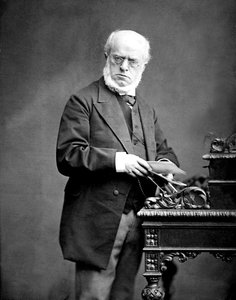
Adolpho von Menzel
1815 - 1905 , Polônia
Dados Rápidos
- Artistic Movement Or Style: Realismo
- Artists Or Movements Influenced By This Artist: ['Edgar Degas']
- Date Of Birth: 8 de dezembro de 1815
- Date Of Death: 9 de fevereiro de 1905
- Full Name: Adolph Friedrich Erdmann von Menzel
- Nationality: Alemão
- Notable Artworks:
- Mina da Ferro
- Mercado em Verona
- Candelária
- Place Of Birth: Wrocław, Polônia
Artigos Relacionados

Realism in Art: A Professional Guide to Authentic Detail and Lifelike Masterpieces for Large-Scale Interior Projects
Master the use of Realism in professional interiors. This expert guide explores 19th-century masterpieces, offering procurement managers and designers technical insights into selecting authentic, hand-painted oil reproductions for high-end hotel and corporate projects.


