


 Visualizar na parede
 Compartilhar
 Compartilhar
 Detalhes
 Guia
Guia

 Baixar imagem
 Semelhantes
 Raio X
 Ver diaporama
 Perguntas e Respostas
 Estatísticas
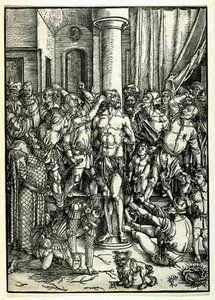
Flagellation


 Ler mais
Giclée / Impressão de Arte
Impressão giclée ou em tela de qualidade de museu, com produção rápida e opções flexíveis de acabamento. ( Comprar pintura feita à mão Alternar para Imagem Digital)




P118B €10

P118H €10

P118W €10

P438Z €10

P508JH €12

P508YH €12

P805H €10

P805Z €10

P919BZ €10

P919G €10

P919XJ €10

P959ZH €10

P968JZ €12

W106C €8

W218G €10

W218JH €8

W218Y €10

W307PJ €10

W316G €10

W316PJ €8

W316Y €10

W398PJ €8

W4111J €10

W500HY €15

W500JH €15

W692G €12

W849H €8

W940BG €15

W953PJ €8




Escolha entre os nossos tamanhos pré-definidos que respeitam as proporções originais da obra de arte.

Insira a largura e a altura desejadas para se ajustarem à sua moldura ou parede. Uma impressão pode ser apenas cortada, nunca ampliada além da imagem original; portanto, um tamanho com proporções diferentes resultará na perda de parte da imagem. Enviamos uma maquete digital para sua aprovação antes de realizarmos a impressão. A imagem exibida nesta página não mostra o corte real — apenas a maquete o faz.
Entrega mundial () em 2 semanas, em vez das 4/5 semanas padrão. (10 Novembro)

Envio expresso gratuito para todo o mundo

Tela de Linho de Alta Qualidade

Seguro de transporte completo

Garantia de Reembolso de Impostos Alfandegários

Garantia de Fidelidade Cromática

Política de Devolução em 100 Dias (Apenas para Defeitos)

Garantia de reembolso de 100%

Oferta de desconto por quantidade
 A opção de vidro está disponível apenas para tamanhos inferiores a 110 cm

Flagellation
Giclée / Impressão de Arte
Tamanho da Reprodução
-


Preço Total
€ 58
Identification of the Flagellation by Albrecht Dürer
The woodcut Flagellation by Albrecht Dürer captures a moment of profound torment. This Northern Renaissance work presents a scene of intense suffering within a structured architectural setting. The lines of the woodblock define the heavy geometry of columns and arches, framing the chaos of the figures caught in the act of violence. It is a study of tension held within a monochromatic world.
Albrecht Dürer utilized the precision of the woodcut to translate religious agony into a visual language of stark contrasts. The composition draws the eye toward the central struggle, where the physical reality of pain meets the rigid order of the portico. Every stroke of the tool contributes to the weight of the scene, turning a biblical event into a visceral encounter with human suffering. The shadows fall deep across the contorted limbs of the subjects.
This specific print belongs to a period of intense technical development for the artist. It remains a significant example of the Northern Renaissance style, where meticulous detail meets emotional gravity. The work exists as a quiet, heavy presence on the page.
Composition and Visual Elements
The scene unfolds within the cold, rigid geometry of an architectural portico. Figures are crowded into this space, packed tightly together in a chaotic arrangement that creates a sense of claustrophobia. Bodies overlap and twist, caught in a moment of intense torment. This density pushes the viewer toward the center of the violence, where human degradation is rendered through contorted limbs and pained expressions. The perspective feels somewhat flattened, a two-dimensional arrangement that emphasizes the weight of the suffering rather than the depth of the room.
Light and shadow act as the primary architects of this tension. The lighting is uneven, casting heavy, dark shadows that carve out the contours of the suffering subjects. These shadows cling to the folds of fabric and the hollows of skin, heightening the visceral impact of the execution. A grayscale palette governs the entire work, stripping away the distraction of color to focus on the stark contrast between light and dark. The absence of hue leaves only the raw reality of the scene: the pale skin of the victims against the dark, unyielding stone of the columns.
Technique and Artistic Style
The composition relies on a rigorous, linear precision. Sharp lines define the rigid geometry of the arches and the heavy columns of the portico, creating a structural skeleton for the chaos. These lines trace the outlines of the figures, carving their contorted limbs out of the shadows. The style draws heavily from the traditions of Renaissance painting, seeking to organize space through a controlled, mathematical logic. Every architectural element is rendered with a clarity that anchors the scene in a cold, unyielding reality.
Meticulous brushwork and shading build the weight of the subjects. Through subtle variations in tone, the artist simulates the tactile reality of skin, heavy fabric, and weathered stone. This technique creates a palpable sense of volume, turning flat shapes into three-dimensional forms that occupy the space with physical presence. The interplay of light and dark emphasizes the dramatic contours of the bodies, making the physical agony feel immediate. It is a study of texture achieved through the disciplined application of shade.
Related Works by Albrecht Dürer
The shadow of the scourging follows the artist through various iterations of sacred suffering. In the woodcut known as The Large Passion: 3. Flagellation of Christ, dated 1497, the narrative takes shape through the stark, rhythmic lines of the woodblock. This work shares a lineage with the Flagellation of Christ from the same year, where the brutality of the scene is captured through the precise, unyielding geometry of the German Renaissance. These early explorations of the Passion establish a visual language of tension and religious weight.
Later, the artist turned to the sharp bite of the metal burin. The 1512 engraving, Flagellation (No. 6), held at the University Art Museum, Princeton, utilizes dense hatching and cross-hatching to define the musculature of the torment and the heavy folds of drapery. It is a study in monochromatic depth, where light and shadow define the very anatomy of pain. The precision of the line creates a tactile reality, turning the copper plate into a landscape of human endurance.
Other works from his prolific output include:
The weight of the woodcut and the precision of the engraving remain linked by a singular, driving focus on the physical reality of the divine. Each stroke of the tool seeks to map the intersection of the spiritual and the visceral. The ink settles into the paper, quiet and still.
Perguntas e Respostas
A que fase da trajetória de Albrecht Dürer "Flagellation" pertence?
"Flagellation" representa o Mature Period de Albrecht Dürer.
O que retrata "Flagellation" e qual é a sua atmosfera?
"Flagellation", de Albrecht Dürer combina religious suffering, torture, medieval art, durer’s work, pain, sacrifice, human degradation, renaissance drama com uma atmosfera Dramatic.
De que material é feita a obra "Flagellation" e em qual estilo?
Em "Flagellation", a técnica de Woodcut encontra o movimento Northern Renaissance.
Obras Relacionadas




Biografia do Artista
A Life Forged in Nuremberg: The Early Years and Apprenticeship
Albrecht Dürer, um nome sinônimo da arte renascentista alemã, emergiu da vibrante cidade artesanal de Nuremberg em 1471. Seu pai, Albrecht Dürer o Velho, era um renomado ourives que havia imigrado da Hungria, trazendo consigo uma linhagem enraizada na habilidade manual. Foi nesse ambiente – o cheiro de metal e a precisão meticulosa do trabalho artesanal – que as primeiras inclinações artísticas de jovem Albrecht tomaram forma. Embora seu pai visse um caminho semelhante para ele, inicialmente designando-o para o comércio familiar, logo ficou evidente que Albrecht possuía um talento excepcional para desenhar. Aos treze anos, ele passou para o ateliê de Michael Wolgemut, o principal artista de Nuremberg na época. Isso não foi apenas treinamento técnico; foi imersão em um mundo de manuscritos iluminados, painéis pintados e – crucialmente – a emergente arte da ilustração em madeira. O volume massivo de trabalho produzido pelo ateliê de Wolgemut, incluindo as extensas ilustrações para o *Crônica de Nuremberg*, forneceu a Dürer uma base incomparável em design, composição e na mecânica da criação de imagens. Um notável autorretrato em ponto de prata de 1484, criado quando ele tinha apenas adolescentes, serve como evidência impressionante de seu talento precoce – um testemunho de uma identidade artística emergente já se formando.A Influência Italiana e a Maturação Artística
A ambição de Dürer ia muito além dos limites de Nuremberg. Impulsionado por uma curiosidade insaciável e um desejo de dominar a arte da pintura, ele embarcou em sua primeira viagem à Itália em 1494. Isso não foi apenas uma viagem turística; foi uma peregrinação ao coração do Renascimento. Ele encontrou obras de mestres como Rafael, Giovanni Bellini e Leonardo da Vinci – artistas que estavam redefinindo as possibilidades da forma, da perspectiva e da expressão humana. O impacto dessa exposição foi profundo. Dürer absorveu os motivos clássicos, a harmonia composicional e as sutis técnicas de sfumato que caracterizavam a arte italiana, mas nunca abandonou sua sensibilidade do Norte Europeu para a precisão meticulosa e a profundidade simbólica. Uma segunda peregrinação à Itália entre 1505 e 1507 permitiu-lhe refinar ainda mais essas influências, estudando as ruínas romanas antigas e aprofundando sua compreensão da anatomia e da proporção. Essa síntese de tradições norteuropeias e idealismo italiano tornou-se a marca registrada do estilo artístico único de Dürer.Dominando os Meios: Pintura, Gravura e Xilogravura
Dürer era mestre em múltiplos meios, cada um oferecendo-lhe diferentes vias para a expressão criativa. Suas pinturas, embora em menor número do que suas gravuras, demonstram um domínio notável da tinta a óleo e uma capacidade de capturar tanto a semelhança física quanto a profundidade psicológica. Obras como *A Ceia do Pálio* revelam uma paleta vibrante influenciada pelo colorido veneziano. No entanto, no reino da gravura – particularmente a gravura em água-forte e xilogravura – Dürer revolucionou a prática artística, elevando essas técnicas de meros métodos reprodutivos a formas de arte independentes, capazes de transmitir narrativas complexas e emoções profundas. A série *O Apocalipse* (1498), uma coleção de quatorze xilogravuras ilustrando o Livro do Apocalipse, demonstrou seu domínio desse meio, apesar das limitações inerentes. Gravuras posteriores como *Melancolia I* (1514) e *São Jerônimo em seu Estúdio* (1514) são testemunhos de sua habilidade incomparável – composições intrincadas cheias de significado simbólico e executadas com precisão impressionante. Ele não apenas representou a realidade; ele imbuiu-a com camadas de significado intelectual e espiritual.Um Teórico e Inovador: O Legado de Albrecht Dürer
Dürer não era apenas um artista; ele era um estudioso, teórico e inovador que buscava entender os princípios subjacentes à criação artística. Acreditava na base matemática da arte e dedicou-se a estabelecer uma abordagem científica para a representação. Seus tratados sobre geometria, proporção e anatomia humana – mais notavelmente *Quatro Livros sobre Proporção Humana* (1528) – foram pioneiros em sua época, demonstrando seu compromisso com a observação rigorosa e a análise racional. Esses escritos não eram apenas exercícios acadêmicos; eles tinham como objetivo elevar o status dos artistas de meros artesãos a praticantes intelectuais. O legado de Dürer se estende muito além de suas obras individuais. Ele conectou as tradições norteuropeias com os ideais do Renascimento italiano, introduzindo motivos clássicos na arte do Norte, ao mesmo tempo em que mantinha seu caráter distinto. Suas contribuições teóricas ajudaram a estabelecer um novo quadro para a prática artística, inspirando gerações de artistas com sua habilidade técnica, espírito inovador e visão profunda. Ele permanece, até hoje, uma das figuras mais importantes da história da arte ocidental.Influências e Impacto Duradouro
- Michael Wolgemut: O primeiro mentor de Dürer, fornecendo habilidades básicas em desenho, pintura e ilustração em madeira.
- Leonardo da Vinci: Inspirou a exploração de Dürer da anatomia, perspectiva e sfumato – o suave mesclado de tons.
- Rafael: Influenciou a harmonia composicional e as formas idealizadas de Dürer.
- Giovanni Bellini: Contribuiu para a compreensão de Dürer do colorido veneziano e das tradições da pintura italiana.
A influência de Dürer ressoa através dos séculos de história da arte. Sua precisão meticulosa, seu uso inovador da gravura e seus escritos teóricos continuam a inspirar artistas e estudiosos até hoje. Ele demonstrou que a arte poderia ser tanto tecnicamente magistral quanto intelectualmente rigorosa – um legado que continua a moldar o cenário artístico de hoje.

Albrecht Dürer
1471 - 1528 , Alemanha
Dados Rápidos
- Artistic Movement Or Style: Renascimento Norteuropeu
- Artists Or Movements Influenced By This Artist:
- Michael Wolgemut
- Renascimento Italiano
- Artists Who Influenced This Artist:
- Leonardo da Vinci
- Rafael
- Giovanni Bellini
- Date Of Birth: 21 maio 1471
- Date Of Death: 6 abr 1528
- Full Name: Albrecht Dürer
- Nationality: Alemão
- Notable Artworks:
- Apocalipse
- Melancolia I
- São Jerônimo
- Place Of Birth: Nuremberg, Alemanha
Artigos Relacionados

10 Gravuras Icônicas que Revolucionaram a História da Arte | AllPaintingsStore
Descubra 10 gravuras icônicas de Dürer, Rembrandt e Goya que revolucionaram a arte! Explore a história, técnica e beleza atemporal destas obras-primas. Encontre reproduções de alta qualidade para decorar sua casa com AllPaintingsStore.com.

25 Obras-Primas do Museu Britânico: Arte, História e Decoração Inspiradora
Descubra as 25 obras mais emblemáticas do Museu Britânico! Explore a história, artistas e técnicas por trás de tesouros como a Pedra de Roseta e os Mármores de Elgin. Encontre reproduções de arte exclusivas para decorar sua casa com elegância em AllPaintingsStore.com.

Albrecht Dürer: A Renaissance Master's Legacy of Innovation and Self-Portraiture
Explore the life & art of Albrecht Dürer, a pivotal German Renaissance master. Discover his groundbreaking printmaking techniques, iconic self-portraits, and lasting influence on Western art history. A deep dive into innovation & symbolism.

German Renaissance Unlocked: The Bold Precision and Iconic Mastery of Albrecht Dürer Reimagined
Discover the bold precision of the German Renaissance. Explore the legendary mastery of Albrecht Dürer through expert art history insights and premium, hand-painted reproductions designed to bring iconic Northern Renaissance detail into your modern collection.
Albrecht Dürer: As 25 Obras-Primas do Mestre da Renascença | AllPaintingsStore
Descubra as 25 obras-primas de Albrecht Dürer, mestre do Renascimento Alemão. Explore a história, técnicas e significado por trás de gravuras icônicas como 'Melancolia I' e autorretratos impressionantes. Encontre reproduções de arte exclusivas para decorar seu lar com AllPaintingsStore.com.


