


 Visualizar na parede
 Compartilhar
 Compartilhar
 Detalhes
 Guia
Guia

 Baixar imagem
 Semelhantes
 Raio X
 Ver diaporama
 Perguntas e Respostas
 Estatísticas
The Singer from Nice


 Ler mais
Giclée / Impressão de Arte
Impressão giclée ou em tela de qualidade de museu, com produção rápida e opções flexíveis de acabamento. ( Comprar pintura feita à mão Alternar para Imagem Digital)




P118B €10

P118H €10

P118W €10

P438Z €10

P508JH €12

P508YH €12

P805H €10

P805Z €10

P919BZ €10

P919G €10

P919XJ €10

P959ZH €10

P968JZ €12

W106C €8

W218G €10

W218JH €8

W218Y €10

W307PJ €10

W316G €10

W316PJ €8

W316Y €10

W398PJ €8

W4111J €10

W500HY €15

W500JH €15

W692G €12

W849H €8

W940BG €15

W953PJ €8




Escolha entre os nossos tamanhos pré-definidos que respeitam as proporções originais da obra de arte.

Insira a largura e a altura desejadas para se ajustarem à sua moldura ou parede. Uma impressão pode ser apenas cortada, nunca ampliada além da imagem original; portanto, um tamanho com proporções diferentes resultará na perda de parte da imagem. Enviamos uma maquete digital para sua aprovação antes de realizarmos a impressão. A imagem exibida nesta página não mostra o corte real — apenas a maquete o faz.
Entrega mundial () em 2 semanas, em vez das 4/5 semanas padrão. (7 Novembro)

Envio expresso gratuito para todo o mundo

Tela de Linho de Alta Qualidade

Seguro de transporte completo

Garantia de Reembolso de Impostos Alfandegários

Garantia de Fidelidade Cromática

Política de Devolução em 100 Dias (Apenas para Defeitos)

Garantia de reembolso de 100%

Oferta de desconto por quantidade
 A opção de vidro está disponível apenas para tamanhos inferiores a 110 cm

The Singer from Nice
Giclée / Impressão de Arte
Tamanho da Reprodução
-


Preço Total
€ 58
A Gaze Across Time: The Soul of Modigliani’s Melancholy
In the quiet, evocative realm of Amedeo Clemente Modigliani’s 1919 masterpiece, “The Singer from Nice,” the viewer is not merely observing a portrait but is being summoned into an intimate dialogue with history. This striking work serves as a profound window into the Expressionist spirit, capturing a moment of ethereal stillness that feels both fleeting and eternal. The subject, a woman of haunting beauty, gazates directly at us with luminous blue eyes—a focal point of such intensity that it seems to pierce through the decades. Her expression is a delicate equilibrium of vulnerability and unwavering resolve, set against a backdrop of muted, earthy tones that amplify her solitary, almost spectral presence. To encounter this painting is to feel the weight of an unspoken emotion, a quiet longing that resonates deeply within the modern soul.
Modigliani’s approach in this piece exemplifies the very essence of Expressionism, where the artist’s primary mission was to reveal inner psychological truths rather than replicate objective reality. Through his signature use of distortion, he elongates the facial features and the graceful line of the neck, creating a surreal, sculptural elegance. This stylistic choice is far from arbitrary; it is a symbolic language used to communicate the anxieties and the yearning for permanence that characterized the post-war era. The stretched jawline and the fluid, rhythmic contours of the face evoke the influence of African masks and ancient Cycladic sculpture, blending classical antiquity with the avant-garde energy of early 20th-century Paris.
Technique and the Alchemy of Color
The technical execution of “The Singer from Nice” reveals a master at the height of his expressive powers. Working with oil on canvas, Modigliani employed a sophisticated method of layering thin, translucent glazes to build a velvety surface texture. This meticulous process is what grants the woman’s eyes their otherworldly glow, making them appear as if lit from within. The palette is intentionally restrained, dominated by warm ochres, deep browns, and subtle umbers. This subdued color scheme does not merely provide a setting; it creates a heavy, introspective atmosphere that cradles the subject in a sense of dignified isolation.
For the discerning collector or interior designer, this painting offers more than just aesthetic beauty; it provides a profound emotional anchor for any space. The way the light interacts with the painted textures allows the piece to transform depending on the ambient lighting of a room, shifting from a somber, contemplative mood in dim light to a vibrant, soulful presence in brighter settings. It is a work that demands attention without being loud, making it an ideal centerpiece for a curated gallery wall or a sophisticated study where themes of reflection and history are celebrated.
A Legacy of Beauty and Tragedy
To truly appreciate this portrait, one must understand the turbulent life of its creator. Amedeo Modigliani’s biography is as much a work of art as his paintings—a narrative etched in longing, illness, and the bohemian struggle of the École de Paris. His frequent battles with disease and his transient existence in the heart of France infused his work with a poignant sense of fragility. In “The Singer from Nice,” we see this sensitivity reflected in every brushstroke; there is a palpable awareness of mortality that lends the subject’s gaze its profound depth.
Owning a high-quality reproduction of such a seminal work allows one to bring this piece of art history into the contemporary home. It serves as a tribute to an era of unparalleled creative revolution and a reminder of the enduring power of the human spirit to find beauty amidst melancholy. Whether you are drawn to its stylistic innovation, its historical significance, or its sheer emotional magnetism, this portrait remains a timeless testament to the genius of Modigliani.
Perguntas e Respostas
De que forma as cores de "The Singer from Nice", de Amedeo Modigliani se relacionam com a sua emoção?
Em "The Singer from Nice", cores de Earthy acompanham um sentimento Melancholic.
A qual movimento artístico "The Singer from Nice", de Amedeo Modigliani pertence?
O movimento associado a "The Singer from Nice", de Amedeo Modigliani é Expressionist Style. Esta classificação situa a obra entre artistas e obras de arte relacionados.
Em que ano e em qual movimento foi feita a obra "The Singer from Nice"?
"The Singer from Nice" foi criada em 1919 como uma obra do movimento Expressionist Style. A data e o movimento situam a obra na história da arte.
Biografia do Artista
A Life Etched in Longing: The World of Amedeo Modigliani
Amedeo Clemente Modigliani, um nome sinônimo de beleza etérea e melancolia profunda, permanece uma das figuras mais amadas e tragi-heróicas da arte do início do século XX. Nascido em Livorno, Itália, em 1884, dentro de uma família enraizada na tradição judaica sefardita, sua vida foi marcada tanto por uma visão artística profunda quanto por persistentes dificuldades. Doenças frequentes o assolaram na juventude – pneumonia e febre tifoide tornaram-se companheiros indesejados – talvez instilando nele uma sensibilidade à fragilidade que permearia seu trabalho. Embora nascido em relativa prosperidade, as vicissitudes financeiras da família se intensificaram, adicionando outra camada de complexidade aos anos formativos do jovem Modigliani. Foi uma infância pontuada por estímulo intelectual, graças à sua mãe e avô, que o introduziram às obras de Nietzsche, Baudelaire e Lautréamont, lançando as bases para uma sensibilidade artística que rejeitaria os cânones convencionais.
O fascínio por Paris foi irresistível, e em 1906, Modigliani embarcou em uma jornada que definiria sua carreira. A cidade era então um caldeirão de inovação artística, fervilhando com ideias revolucionárias e desafiando as convenções. Ele se imergiu na vibrante cena artística, encontrando gigantes como Pablo Picasso e Constantin Brâncuși, figuras que moldaram profundamente sua trajetória estética. Inicialmente atraído pelo emergente Cubismo, Modigliani logo encontrou a rigidez geométrica excessivamente restritiva para suas necessidades expressivas. Sua alma artística ansiava por algo mais lírico, mais enraizado na emoção humana. Ele iniciou um período de intensa experimentação, absorvendo influências da escultura africana – particularmente suas formas alongadas e traços simplificados – e a graça arcaica da arte renascentista italiana.
O Alma Escultor: Estilo e Inovação
O estilo característico de Modigliani emergiu como uma síntese única dessas diversas inspirações. Seus retratos, argumentavelmente suas obras mais celebradas, são instantaneamente reconhecíveis por seus rostos e pescoços alongados, olhos sem pupilas, de um olhar sereno e melancólico. Eles não eram meras representações; eram explorações da vida interior, capturando uma profundidade psicológica notável em cada sujeito. Ele despojara os detalhes secundários, concentrando-se nas formas essenciais para transmitir emoção com notável economia. Suas figuras nuas, frequentemente controversas durante sua vida, possuem uma qualidade semelhante – uma dignidade silenciosa e vulnerabilidade que transcende a mera representação física. As figuras não são ostensivamente sensuais, mas sim impregnadas de um senso de beleza atemporal e anseio existencial.
Além da pintura, Modigliani dedicou-se à escultura, criando uma série de esculturas estilizadas que refletem a influência da arte africana e do trabalho de Brâncuși. Essas esculturas, caracterizadas pela simplificação das formas e pela ênfase nos traços essenciais, demonstram seu compromisso em reduzir as formas e transmitir a essência. Embora tenha exibido essas obras brevemente com o Grupo Section d'Or em 1912, elas foram recebidas com críticas duras e, em grande parte, retiradas do público. Essa rejeição afetou profundamente Modigliani, contribuindo para um período de dúvida artística e dificuldades financeiras.
Um Legado de Perda
A vida pessoal de Modigliani foi tão turbulenta quanto sua jornada artística. Ele lutou com a pobreza e a dependência química ao longo de grande parte de sua carreira, frequentemente contando com a generosidade de amigos e patronos. Seu relacionamento com Jeanne Hébuterne, uma jovem artista em si mesma, tornou-se o ponto central emocional de sua vida. Eles compartilharam um amor profundo e uma compreensão artística mútua, mas sua felicidade foi tragicamente breve. As pressões da pobreza, a saúde precária de Modigliani e a gravidez de Jeanne criaram uma tensão insuportável. Em 1920, devastado pelo nascimento de sua filha e sobrecarregado pelo desespero, Jeanne tomou suas próprias vidas. Poucos dias depois, Modigliani sucumbiu à meningite tuberculosa aos trinta e cinco anos, vítima de excesso de trabalho, álcool e drogas. Sua morte prematura, em condições de extrema pobreza material, marcou o fim de uma vida extraordinária.
Após sua morte, as obras de Modigliani experimentaram um aumento dramático na popularidade. Seus quadros e esculturas começaram a comandar preços cada vez mais altos, e seu estilo distinto exerceu uma influência profunda nas gerações posteriores de artistas. Ele tornou-se um ícone do espírito boêmio, personificando as lutas e triunfos de uma geração perdida que se confrontava com a modernidade e questões existenciais.
Obras Notáveis
- Nude Bust (35 x 26 cm): Um exemplo fundamental do estilo de Modigliani, caracterizado por formas alongadas e expressividade.
- Reclining Nude with Loose Hair: Demonstra sua capacidade de capturar a essência da feminilidade com equilíbrio delicado entre sensualidade e vulnerabilidade.
- Seated Female Nude (92 x 60 cm): Uma representação poderosa do corpo feminino, marcada pela simplificação das formas e compostura serena.
- Portrait of Jeanne Hébuterne: Vários retratos que revelam um profundo entendimento emocional e uma conexão íntima.
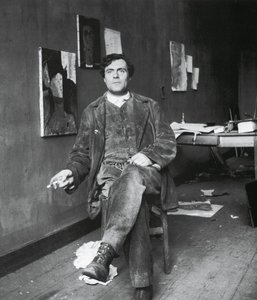
Amedeo Modigliani
1884 - 1920 , Itália
Dados Rápidos
- Artistic Movement Or Style: Expressionismo
- Artists Or Movements Influenced By This Artist:
- Cubismo
- Modernismo
- Artists Who Influenced This Artist:
- Picasso
- Brâncuși
- Date Of Birth: 12 Jul 1884
- Date Of Death: 24 Jan 1920
- Full Name: Amedeo Clemente Modigliani
- Nationality: Italiano
- Notable Artworks:
- Nude Bust
- Reclinando
- Posada
- Place Of Birth: Livorno, Itália
Artigos Relacionados

Theatrical Elegance: The Art Deco Genius of Erté and the Era of Fashion Illustration
Explore the theatrical elegance of Erté and the Art Deco era. Discover how his mastery of geometric line and fashion illustration can elevate luxury hospitality design through premium, hand-painted reproductions and bespoke architectural art solutions.


