


 Visualizar na parede

 Compartilhar
 Compartilhar
 Detalhes
 Guia


 Baixar imagem
 Semelhantes
 Raio X
 Ver diaporama
 Perguntas e Respostas
 Estatísticas
Sir Thomas Gresham

- 90.0 x 76.0 cm


 Ler mais
Giclée / Impressão de Arte
Impressão giclée ou em tela de qualidade de museu, com produção rápida e opções flexíveis de acabamento. ( Comprar pintura feita à mão Alternar para Imagem Digital)
P118B €10
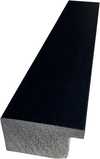
P118H €10
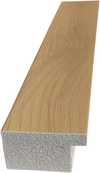
P118W €10
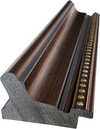
P438Z €10
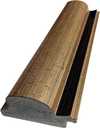
P508JH €12
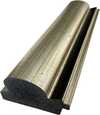
P508YH €12
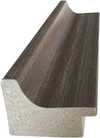
P805H €10
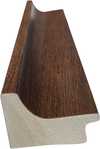
P805Z €10
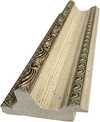
P919BZ €10
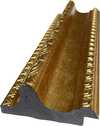
P919G €10
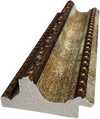
P919XJ €10
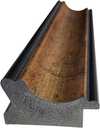
P959ZH €10
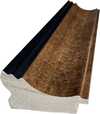
P968JZ €12
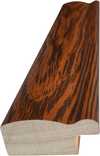
W106C €8
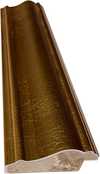
W218G €10
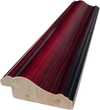
W218JH €8
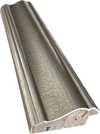
W218Y €10
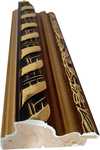
W307PJ €10
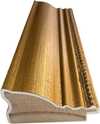
W316G €10
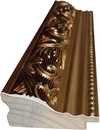
W316PJ €8
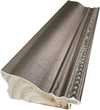
W316Y €10
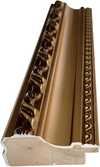
W398PJ €8
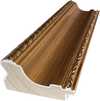
W4111J €10
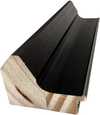
W500HY €15
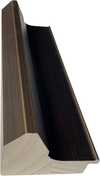
W500JH €15
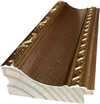
W692G €12
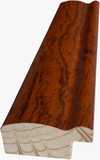
W849H €8
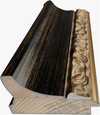
W940BG €15
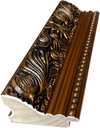
W953PJ €8
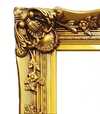
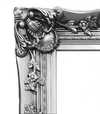
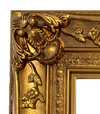
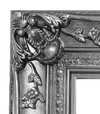
Escolha entre os nossos tamanhos pré-definidos que respeitam as proporções originais da obra de arte.

Insira a largura e a altura desejadas para se ajustarem à sua moldura ou parede. Uma impressão pode ser apenas cortada, nunca ampliada além da imagem original; portanto, um tamanho com proporções diferentes resultará na perda de parte da imagem. Enviamos uma maquete digital para sua aprovação antes de realizarmos a impressão. A imagem exibida nesta página não mostra o corte real — apenas a maquete o faz.
Entrega mundial () em 2 semanas, em vez das 4/5 semanas padrão. (20 Novembro)

Envio expresso gratuito para todo o mundo

Tela de Linho de Alta Qualidade

Seguro de transporte completo

Garantia de Reembolso de Impostos Alfandegários

Garantia de Fidelidade Cromática

Política de Devolução em 100 Dias (Apenas para Defeitos)

Garantia de reembolso de 100%

Oferta de desconto por quantidade
 A opção de vidro está disponível apenas para tamanhos inferiores a 110 cm

Sir Thomas Gresham
Giclée / Impressão de Arte
Tamanho da Reprodução
-


Preço Total
€ 58
Identification of the Portrait of Sir Thomas Gresham
In this portrait, Anthonis Mor Van Dashorst captures the steady presence of Sir Thomas Gresham. The subject sits before us, a man whose influence once shaped the financial landscape of Europe. As the leading English merchant in Antwerp and the financial agent for the English king in the Low Countries, Gresham carries a weight of responsibility in his gaze. He is the man who founded the Royal Exchange and established Gresham College in London, leaving a legacy etched into the very foundations of commerce and education.
The artist, Anthonis Mor Van Dashorst, brings a meticulous eye to this likeness. Born in Utrecht, Netherlands, Mor possesses a way of rendering the individual that feels immediate and alive. This specific work dates to 1560, a moment when the sitter's social standing and professional gravity are palpable. The portrait does more than record a face; it presents a man of significant purpose, frozen in a moment of quiet, commanding authority.
Composition and Visual Details
The subject sits firmly within a chair that dominates the lower portion of the frame, anchoring the entire scene. He is dressed in a black suit, his presence marked by a stern expression and the grooming of a beard and mustache. A collar frames his face, catching the light against the dark fabric of his attire. He holds a posture of quiet authority, his gaze fixed and unyielding. The weight of his position is felt in the stillness of his seated form.
In the space surrounding him, life unfolds in layers. One figure stands directly behind him in the foreground, adding a sense of depth to the immediate circle of the subject. Further back and to the right, a second person occupies the scene, partially distanced from the central focus. This arrangement creates a structured, tiered environment that draws the eye through the social hierarchy of the room. The background reveals a brick wall and an open window, suggesting a connection to the world outside the immediate interior.
Materials and Physical Characteristics
The physical presence of this portrait is defined by its substantial scale, measuring 90 x 76 cm. Originally rendered as an oil on panel, the work carries the weight and texture of its primary medium. The artist’s brushwork captures the subtle shifts in light across the subject's features, a task made possible by the careful application of oil pigments. This specific piece is identified by the object number SK-A-3119.
Time has left its mark on the very substance of the work. While it began its life on a rigid wooden support, the painting has undergone a significant transformation. The original oil on panel was transferred to canvas, a process that alters the way the surface interacts with light and shadow. This transition from wood to fabric changes the tactile quality of the work, lending a different character to the way the colors settle upon the grain.
History and Provenance of the Artwork
The journey of this portrait through the centuries carries it through the hands of emperors and across shifting political borders. At one point in its long history, the painting resides within the private collection of Catherine the Great of Russia. It remains in these imperial circles until the political tides of the twentieth century shift the work's destiny once more. The Soviet Union holds the painting, eventually deciding to sell it to the Rijksmuseum in 1931 to secure foreign currency.
The physical life of the work has seen significant changes to ensure its survival. In 1872, the portrait undergoes a major transformation when the painting of Anne Fernely is transferred from its original panel onto canvas. This restoration marks a pivotal moment in how the work presents itself to the eye. The movement from wood to fabric alters the very substance of the piece, preserving the likeness of the merchant for future generations to witness.
Related Works by Anthonis Mor Van Dashorst
The visual narrative of this portrait finds its companion in the likeness of Anne Fernely, the wife of Gresham. As a pendant to this work, her portrait completes a shared history, capturing the presence of the woman who stood alongside the merchant. This connection links the two figures through a shared space and a shared life, creating a dual presence that speaks to their status and their union.
Mor’s brush also moved through the halls of power, capturing the regal bearing of Mary Tudor, Queen of England, in 1554. His ability to navigate the requirements of the court is evident in his service as a painter to the Spanish king. This high-level patronage allowed him to observe the nuances of nobility and the weight of authority that defined the sixteenth century.
In 1560, the artist turned his attention to Anne Fernel, the Wife of Sir Thomas Gresham. This portrait offers another window into the social fabric of the era, focusing on the character and dignity of the sitter. Through these various commissions, the artist’s hand moves between the private intimacy of a marriage and the public grandeur of royal courts.
Where to See the Artwork Today
The presence of Sir Thomas Gresham remains a constant within the halls of the Rijksmuseum in Amsterdam. Visitors find him held within this prestigious collection, where he resides as part of the museum's permanent holdings. He is identified by the object number SK-A-3119, a mark that traces his place within the museum's vast archives. To stand before him is to encounter a figure preserved through centuries of careful stewardship.
This portrait is kept in the Rijksmuseum, Amsterdam, where the quiet dignity of the subject is maintained for those who seek it. The painting exists as a physical part of the museum's curated environment, allowing the gaze of the viewer to meet the stern expression of the merchant. He remains a fixture of the Dutch institution, a silent inhabitant of the galleries in Amsterdam.
Perguntas e Respostas
Posso ver "Sir Thomas Gresham" como um slideshow em tela cheia?
O diaporama de "Sir Thomas Gresham" pode ser visualizado na página Apresentação de imagens da obra.
Qual técnica foi utilizada para "Sir Thomas Gresham" e quando a obra foi criada?
"Sir Thomas Gresham" foi realizada em 1560, em Oil On Panel.
Que humor e emoção se unem em "Sir Thomas Gresham"?
"Sir Thomas Gresham", de Antonis Mor transmite um sentimento Reflective em uma atmosfera geral Elegant.
Obras Relacionadas


Biografia do Artista
Antonis Mor: O Pintor da Dignidade Régia
Antonis Mor van Dashorst (1517-1577) ergue-se como um pilar fundamental do retrato renascentista holandês, personificando o realismo meticuloso e a profundidade simbólica característicos de sua era. Nascido em Utrecht, na Holanda, ele emergiu de uma família profundamente imersa na tradição artística — seu pai era escultor, estabelecendo uma linhagem dedicada à representação visual. Embora os detalhes biográficos permaneçam algo escassos, a produção prolífica de Mor diz muito sobre seu talento e seu compromisso inabalável em capturar a essência de seus modelos. Ele rapidamente conquistou renome por sua habilidade de retratar a nobreza com uma precisão sem igual, garantindo encomendas de figuras influentes por toda a Europa. Sua formação artística, embora envolta em mistérios além de sua criação em Utrecht, revela traços de uma maestria extraordinária. Mor estudou sob a tutela de Pieter Bruegel, o Velho, em Antuérpia, absorvendo a observação magistral de Bruegel sobre a natureza humana e a paisagem — influências que permeariam a própria visão artística de Mor. Esse período em Antuérpia revelou-se crucial para sua maturação artística. Ao lado de contemporâneos como Quentin Massys e Hendrik Golse, ele mergulhou no vibrante meio artístico da República Flamenga, o que fomentou uma compreensão sofisticada de perspectiva e do chiaroscuro — técnicas que ele empregaria habilmente para iluminar seus retratos com um jogo dramático de luz e sombra.O Reinado de Mary Tudor: Uma Obra-Prima do Retrato do Renascimento Nórdico
A fama de Mor ascendeu dramaticamente ao concluir seu retrato de Mary Tudor, Rainha da Inglaterra (1554). Esta tela monumental exemplifica o ápice da destreza artística de Mor. Executada com um detalhamento minucioso, a obra captura a postura régia e a compostura interior de Mary — um testemunho da capacidade de Mor de transmitir nuances psicológicas juntamente com a semelhança física. A composição é meticulosamente equilibrada, utilizando uma estrutura piramidal e dobras sutis de tecidos para enfatizar a estatura e a dignidade da monarca. Além disso, o uso do chiaroscuro cria um jogo cativante entre luz e escuridão, destacando o rosto de Mary e transmitindo uma aura de solenidade e grandeza. Este retrato consolidou a reputação de Mor como um dos maiores retratistas de seu tempo, permanecendo como um exemplo celebrado da arte do Renascimento Nórdico. O prestígio de Mor foi amplamente impulsionado pelo patrocínio real, garantindo encomendas de monarcas por toda a Europa — incluindo Filipe II da Espanha. Esses compromissos permitiram-lhe explorar projetos ambiciosos e refinar seu estilo artístico, consolidando seu legado como um artista de corte. Para além do retrato de Mary Tudor, Mor assumiu inúmeras encomendas retratando proeminentes estadistas, diplomatas e aristocratas. Seu estilo artístico distintivo — caracterizado pelo realismo meticuloso, perspectiva magistral e um chiaroscuro expressivo — tornou-se instantaneamente reconhecível. Ele priorizou consistentemente a transmissão não apenas da aparência física, mas também do caráter e da emoção, elevando seus retratos de meras semelhanças a profundas declarações sobre a dignidade humana.Influência e Legado
A influência de Mor estendeu-se muito além de seus contemporâneos imediatos. Sua abordagem meticulosa ao retrato estabeleceu um precedente para as gerações subsequentes de artistas, inspirando-os a buscar maior precisão e percepção psicológica. Ele defendeu os ideais humanistas prevalentes durante o Renascimento, refletindo uma crença inabalável no poder da arte para iluminar a experiência humana. Hoje, as pinturas de Mor van Dashorst continuam a cativar o público mundial, servindo como lembretes duradouros da brilhância artística alcançada durante a Era de Ouro Holandesa — um período definido pela inovação, ambição e um profundo apreço pela beleza.
Antonis Mor
1519 - 1575 , Países Baixos
Dados Rápidos
- Artistic Movement Or Style: Retratismo Renascentista
- Artists Or Movements Influenced By This Artist: ['Barroco']
- Artists Who Influenced This Artist:
- Jan van Eyck
- Rogier van der Weyden
- Date Of Birth: 1517
- Date Of Death: 1577
- Full Name: Anthonis Mor van Dashorst
- Nationality: Holandesa
- Notable Artworks:
- O Anão do Cardeal Granvel
- Rainha Mary Tudor da Inglaterra
- Margarida, Duquesa de Parma
- Place Of Birth: Utrecht, Países Baixos
Artigos Relacionados

Master of Elegance: The Top 25 Greatest Artworks by Sir Anthony van Dyck
Explore 25 Baroque masterpieces by Sir Anthony van Dyck. Discover timeless elegance and fine art at AllPaintingsStore.com.

25 Must-See Masterpieces at the Rijksmuseum, Amsterdam
Embark on a journey through Dutch history. From Rembrandt’s dramatic Night Watch to Vermeer’s luminous light, explore the top 25 masterpieces of the Rijksmuseum, Amsterdam. Find inspiration with our museum-quality art reproductions. Discover all masterpieces on AllPaintingsStore.com

The Weight of Shadow: Examining the Depth of Brown Pigments and Chiaroscuro in Classical Painting
Explore the technical mastery of earth pigments and chiaroscuro in classical art. Discover the depth of shadow and texture today.