


 Visualizar em escala
 Enviar
 Compartilhar
 Ver detalhes
 Guia de Obras do Aluno

 Baixar imagem
 Semelhantes
 Raio X
 Apresentação de slides
 Estatísticas
untitled (784)

 Ver mais
Reprodução em Óleo Feita à Mão
Óleo sobre tela pintado à mão no tamanho e moldura de sua escolha, feito sob encomenda pelos nossos artistas. ( Alternar para Impressão Ver Imagem Digital)




P118B €10

P118H €10

P118W €10

P438Z €10

P508JH €12

P508YH €12

P805H €10

P805Z €10

P919BZ €10

P919G €10

P919XJ €10

P959ZH €10

P968JZ €12

W106C €8

W218G €10

W218JH €8

W218Y €10

W307PJ €10

W316G €10

W316PJ €8

W316Y €10

W398PJ €8

W4111J €10

W500HY €15

W500JH €15

W692G €12

W849H €8

W940BG €15

W953PJ €8




Escolha entre os nossos tamanhos pré-definidos que respeitam as proporções originais da obra de arte.

Digite a largura e a altura de que necessita, para se ajustar à sua moldura ou à sua parede. Esta obra é pintada à mão, por isso, para um tamanho com uma proporção diferente, o artista pode pintar um pouco mais ao redor da imagem ou cortar um pouco — você escolhe. Enviamos-lhe uma maquete digital para aprovação antes de a pintura começar. A imagem exibida nesta página não mostra o resultado real — apenas a maquete mostra.
Após o pedido, a equipa AllPaintingsStore.com enviará um e-mail ao cliente para solicitar instruções e fornecer uma prévia do esboço.
Entrega mundial () em 3 a 4 semanas, em vez das 5 semanas padrão. (22 Outubro). Sem comprometer a qualidade.

Envio expresso gratuito para todo o mundo

Tela de Linho Premium

Seguro de transporte total

Garantia de Reembolso de Impostos Alfandegários

Garantia de Fidelidade de Cor

Política de Devolução em 100 Dias (Apenas para Defeitos)

Garantia de reembolso de 100%

Desconto para múltiplas unidades
 A opção de vidro está disponível apenas para tamanhos inferiores a 110 cm

untitled (784)
Técnica de Reprodução
Dimensões da Reprodução
-


Preço Total
€ 226
A Dramatic Revelation: Unpacking Caravaggio’s “Untitled (784)”
Michelangelo Merisi da Caravaggio, a name synonymous with the dramatic intensity of Baroque painting, was born in Milan in 1571, a period steeped in both artistic flourishing and societal upheaval. His early life was marked by loss; plague ravaged his hometown, claiming the lives of his father and grandfather when he was just six years old. Raised amidst relative poverty, young Michelangelo’s formative years instilled within him a keen awareness of human suffering and resilience—themes that would later become central to his artistic vision. He began his artistic training in Milan under Simone Peterzano, a former pupil of Titian, absorbing the fundamentals of Renaissance technique but already hinting at a rebellious spirit that would soon shatter conventional norms. This apprenticeship provided a solid foundation, yet it was in Rome, arriving around 1592, that Caravaggio truly found his voice, though not without initial struggle and hardship. The city, a vibrant hub of papal patronage and artistic competition, demanded innovation—a departure from the idealized beauty favored by earlier generations—and Caravaggio responded with unparalleled boldness.The Scene: Religious Narrative Illuminated
“Untitled (784)” depicts a profoundly emotive tableau rooted in Christian iconography – the veneration of Mary holding the infant Jesus. The composition is meticulously crafted, capturing a moment of serene intimacy amidst palpable tension. Mary cradles her son gently, her gaze fixed upward with unwavering devotion, while two figures stand behind them, their postures conveying solemn respect and contemplation. A third person sits nearby, adding to the sense of familial piety. Scattered throughout the scene are birds—a recurring motif in Caravaggio’s oeuvre—representing purity and divine grace, perched above Jesus' head and fluttering around the room as if mirroring his radiant presence. Notably, a book rests on a surface near the center, symbolizing knowledge and spiritual contemplation – elements deliberately juxtaposed to heighten the dramatic effect.Tenebrism: Mastering Light and Shadow
Caravaggio’s genius lay not merely in depicting biblical narratives but in executing them with revolutionary artistic technique. He pioneered tenebrism—a style characterized by extreme contrasts between light and dark—creating a visual experience that transcends mere representation. The dominant darkness envelops the scene, emphasizing the luminosity of Jesus and Mary's faces and hands, which are bathed in an ethereal glow. This masterful manipulation of chiaroscuro wasn’t simply stylistic; it served to heighten emotional impact, conveying vulnerability, piety, and spiritual illumination. Caravaggio achieved this dramatic effect through painstaking observation of natural light—a technique that departed radically from the studio practice of his time.Symbolism and Emotional Resonance
Beyond its technical brilliance, “Untitled (784)” resonates deeply with symbolic meaning. The birds symbolize divine grace and purity, mirroring Jesus’s holiness and Mary’s maternal compassion. The book represents intellectual enlightenment and spiritual understanding—a deliberate inclusion designed to underscore the importance of faith alongside reason. Caravaggio's ability to evoke profound emotion is undeniable; the painting compels viewers to contemplate themes of motherhood, devotion, and the sublime beauty of divine grace. It exemplifies the Baroque ideal of conveying intense psychological states through visual imagery—a legacy that continues to inspire artists today.A Legacy Enduring Through Reproduction
Reproductions of Caravaggio’s masterpieces offer a remarkable opportunity to experience this transformative artistic vision firsthand. AllPaintingsStore.com presents exceptionally detailed reproductions, capturing the nuances of Caravaggio's brushstrokes and conveying the emotional depth of his original work. Bringing Caravaggio’s dramatic style into your home allows you to engage with one of art history’s most influential figures—a testament to the enduring power of artistic innovation and emotive storytelling.Perguntas e Respostas
Quem é o artista por trás de "untitled (784)"?
"untitled (784)" foi criado por Caravaggio. As informações nesta página descrevem a obra original de Caravaggio.
Que saturação e intensidade apresenta "untitled (784)" de Caravaggio?
"untitled (784)" de Caravaggio é registrado com uma saturação Balanced Soft e uma intensidade Balanced.
Que tipo de obra de arte é "untitled (784)" de Caravaggio?
No catálogo, "untitled (784)" de Caravaggio está registrado como WallArt. A categoria ajuda a encontrar obras semelhantes.
Obras Relacionadas


Biografia do Artista
Uma Vida Forjada na Sombra e na Luz
Michelangelo Merisi da Caravaggio, um nome indissociável da intensidade dramática da pintura barroca, nasceu em Milão em 1571, uma época permeada por florescimento artístico e turbulência social. Sua infância foi marcada pela perda; a peste assolou sua cidade natal, ceifando as vidas de seu pai e avô quando ele tinha apenas seis anos. Criado em relativa pobreza, os primeiros anos de Michelangelo lhe conferiram uma aguda consciência do sofrimento humano e da resiliência – temas que mais tarde dominariam suas telas. Iniciou sua formação artística em Milão sob a tutela de Simone Peterzano, um antigo aluno de Ticiano, absorvendo os fundamentos da técnica renascentista, mas já prenunciando um espírito rebelde que em breve estilhaçaria as convenções estabelecidas. Este aprendizado forneceu uma base sólida, mas foi em Roma, por volta de 1592, que Caravaggio verdadeiramente encontrou sua voz, embora não sem lutas e dificuldades iniciais. A cidade, um vibrante centro de mecenato artístico e fervor religioso, provou ser ao mesmo tempo atraente e implacável para o ambicioso jovem pintor.Revolucionando a Visão: Técnica e Estilo
A chegada de Caravaggio a Roma anunciou uma mudança sísmica na paisagem da arte italiana. Ele rejeitou o estilo maneirista predominante – caracterizado por sua elegância artificial e formas alongadas – em favor de um realismo implacável que chocou e cativou o público. Sua inovação mais marcante foi seu domínio magistral do chiaroscuro, o contraste dramático entre luz e sombra, que elevou a um novo nível de poder expressivo. Esta técnica, frequentemente referida como tenebrismo, não era meramente uma escolha estética; era um meio de intensificar o impacto emocional, atraindo os espectadores para o coração da cena e imbuindo suas figuras com uma palpável sensação de presença. Ele evitou representações idealizadas, povoando suas pinturas com pessoas comuns – frequentemente retiradas das ruas de Roma – como modelos para figuras religiosas. Essa abordagem radical desafiou as noções tradicionais de beleza e santidade, tornando o sagrado relacionável e profundamente humano. Suas composições eram muitas vezes austeras e diretas, focando em momentos cruciais de intensa dramaticidade, seja o brutal realismo de “A Captura de Cristo” ou a contemplação silenciosa em "São Francisco de Assis em Êxtase".Obras-Chave e Influência Duradoura
Ao longo de sua carreira relativamente curta, Caravaggio produziu um corpo de trabalho que continua a ressoar com o público hoje. Peças iniciais como “A Cartomante” (1594) demonstram seu talento crescente para capturar detalhes realistas e nuances psicológicas. "Supper at Emmaus" (1601-1602), abrigada na National Gallery em Londres, exemplifica seu domínio do chiaroscuro e sua capacidade de transmitir profunda profundidade emocional dentro de uma narrativa bíblica. “David com a Cabeça de Golias” (c. 1610) é particularmente assombrosa, frequentemente interpretada como um autorretrato refletindo o próprio estado perturbado de Caravaggio. Sua influência se estendeu muito além da Itália, inspirando uma geração de artistas conhecidos como os Caravaggisti, ou “ombristas”, que adotaram seu estilo em toda a Europa. Seguidores notáveis incluíram Peter Paul Rubens, Jusepe de Ribera e Gerrit van Honthorst, cada um adaptando as técnicas de Caravaggio às suas próprias visões artísticas únicas.Uma Existência Tumultuosa e Legado Eterno
A vida de Caravaggio foi tão dramática e turbulenta quanto sua arte. Um temperamento volátil e uma propensão para brigas o levaram a frequentes problemas com a lei, culminando em uma acusação de assassinato em 1606 que o forçou a fugir de Roma. Passou os quatro anos seguintes vagando por Nápoles, Malta e Sicília, continuando a pintar enquanto buscava desesperadamente um perdão papal. Apesar de seus esforços, permaneceu um fora da lei, assombrado pelo passado e atormentado por conflitos pessoais. Morreu em Porto Ercole, Itália, em 1610 em circunstâncias misteriosas – a causa de sua morte permanece debatida, com teorias variando de febre a envenenamento. Embora sua vida tenha sido interrompida, o legado artístico de Caravaggio perdura como um testemunho de sua visão revolucionária e compromisso inabalável com o realismo. Ele desafiou as convenções de seu tempo, abrindo caminho para uma abordagem mais moderna da pintura e deixando uma marca indelével no curso da história da arte ocidental. Seu trabalho continua a inspirar admiração e provocar contemplação, lembrando-nos do poder da arte para iluminar os cantos mais escuros da experiência humana.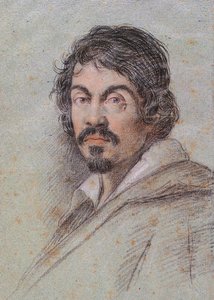
Caravaggio
1571 - 1610 , Itália
Informações Rápidas
- Artistas Que O Influenciaram:
- Titian
- Leonardo da Vinci
- Artistas/Movimentos Influenciados:
- Rubens
- Ribera
- Caravaggisti
- Data De Falecimento: 18 de julho de 1610
- Data De Nascimento: 29 de setembro de 1571
- Local De Nascimento: Milão, Itália
- Movimento Artístico: Barroco, Tenebrismo
- Nacionalidade: Italiano
- Nome Completo: Michelangelo Merisi da Caravaggio
- Obras Notáveis:
- A Fortune Teller
- Supper at Emmaus
- David com a cabeça...
Artigos Relacionados

Drama and Light: A Definitive Guide to the Italian Baroque Masterpieces and the Revolution of Chiaroscuro
Explore the dramatic world of Italian Baroque art. Discover how masters like Caravaggio used chiaroscuro and tenebrism to revolutionize painting through light, shadow, and profound realism. A definitive guide for history lovers and art collectors.

The Visceral Stage: Exploring Dramatic Narratives & Emotional Intensity in Baroque Art
Explore the dramatic world of Baroque art! Discover iconic masters like Caravaggio & Rembrandt, their techniques, and the movement's lasting impact. Expert insights for collectors & enthusiasts at AllPaintingsStore.

Caravaggio's Revolutionary Realism: A Study of Light, Shadow, and the Human Condition
Explore the revolutionary realism of Caravaggio! Discover his mastery of light & shadow (tenebrism), dramatic religious scenes, and lasting influence on Baroque art history. A comprehensive guide for art enthusiasts.

Os 10 Mestres do Barroco: Obras-Primas que Moldaram a Arte e Decoram o Lar
Descubra os 10 maiores ícones do Barroco! Explore a história, técnica e emoção por trás de Caravaggio, Rembrandt, Bernini e outros mestres. Encontre reproduções de arte barroca para decorar seu lar com luxo em AllPaintingsStore.com.

Michelangelo Buonarroti: As 25 Obras-Primas que Definem um Gênio da Arte Renascentista
Descubra as 25 obras-primas de Michelangelo Buonarroti, o gênio da Renascença! Explore a história por trás do David, Pietà e os afrescos da Capela Sistina. Encontre reproduções de arte exclusivas e inspire sua decoração em AllPaintingsStore.com.


