

- Início

- Impressão em tela
- Charles André van Loo
- HALTE DE CHASSE

 Visualizar na parede
 Compartilhar
 Compartilhar
 Detalhes

 Baixar imagem
 Semelhantes
 Raio X
 Apresentação de slides
HALTE DE CHASSE


 Ler mais
Giclê / Impressão de Arte
Impressão giclée ou em tela de qualidade de museu, com produção rápida e opções flexíveis de acabamento. ( Encomendar reprodução pintada à mão Alternar para Imagem)




































Escolha entre os nossos tamanhos pré-definidos que respeitam as proporções originais da obra de arte.

Você pode inserir suas próprias dimensões para se ajustar a uma moldura ou espaço específico. Se o tamanho selecionado não corresponder às proporções da imagem original, iremos recortar a obra de arte ou estender a imagem com uma borda espelhada ou preenchimento sólido. Um mockup digital será enviado para sua aprovação antes do início da produção.
Por favor, observe que a visualização na tela não reflete o recorte ou a extensão real. Apenas o mockup mostrará com precisão a composição final.
Embora tamanhos personalizados estejam disponíveis, recomendamos selecionar uma dimensão da lista predefinida para preservar as proporções originais.
Entrega mundial () em 2 semanas, em vez das 4/5 semanas padrão. (3 Agosto)

Envio Expresso Gratuito para todo o Mundo

Tela de Linho de Alta Qualidade

Seguro de transporte completo

Garantia de Reembolso de Impostos Alfandegários

Garantia de Fidelidade Cromática

Política de Devolução de 60 Dias (Apenas para Defeitos)

Garantia de reembolso de 100%

Oferta de desconto por quantidade
 A opção de vidro está disponível apenas para tamanhos inferiores a 110 cm

HALTE DE CHASSE
Giclê / Impressão de Arte
Tamanho da Reprodução
-


Preço Total
$ 64
Descrição do Item Colecionável
A Moment of Aristocratic Leisure: Exploring Charles-André van Loo’s “Halt of the Hunt”
“HALTE DE CHASSE,” painted by Charles-André van Loo in 1738, isn't merely a depiction of a hunt; it’s an exquisitely crafted tableau that encapsulates the spirit of Rococo art and offers a glimpse into the opulent lifestyle enjoyed by French aristocracy during the reign of Louis XV. More than just observing animals pursuing prey, the scene unfolds as a celebration—a carefully orchestrated gathering of noblemen and ladies indulging in the pleasures of the outdoors after a successful expedition. The painting’s composition is deliberately dense, reflecting the Rococo penchant for layering visual information and creating an immersive experience for the viewer. Figures populate the foreground and middle ground with graceful ease, arranged around a magnificent table laden with delicacies—fruits, pastries, and wine glasses glinting in the dappled sunlight filtering through the trees. Dominating the right side of the canvas is a squadron of horseback riders, their movements conveying dynamism against the static backdrop of the picnic party. The artist skillfully employs diagonal lines to guide the eye across the scene, emphasizing both the activity and grandeur of the occasion. Van Loo’s masterful use of color contributes significantly to the artwork's emotional impact. Warm hues—russet reds, golden yellows, creamy whites—are juxtaposed against cooler shades of teal and emerald green, mirroring the natural environment while simultaneously highlighting the elegance of the figures’ attire. The pastel palette is particularly striking in the clothing of the nobility, where delicate pinks and creams soften the overall impression and convey a sense of refined beauty. Attention to detail is paramount; every garment folds with meticulous precision, reflecting the Rococo obsession for surface ornamentation and creating an illusion of tactile richness. Technically speaking, “Halt of the Hunt” exemplifies the oil painting technique perfected during the Baroque era but adapted to the aesthetic sensibilities of the Rococo period. Van Loo’s brushstrokes are smooth and blended seamlessly, resulting in a luminous finish that captures the subtle nuances of light and shadow. The artist employs glazing techniques—applying thin layers of translucent paint over underlying colors—to achieve depth and luminosity, enhancing the realism of textures like fabric and foliage. Furthermore, meticulous attention is paid to capturing the reflections on surfaces – particularly the wine glasses – demonstrating Van Loo’s mastery of optical illusion. Historically, “HALTE DE CHASSE” reflects a broader cultural preoccupation with portraying idealized representations of aristocratic life. The hunt itself served as a symbol of nobility—a demonstration of prowess and control over nature—while simultaneously offering an opportunity for social interaction and entertainment. More profoundly, the painting embodies the Rococo’s fascination with mythology and allegory, subtly referencing classical themes of Venus and Amor (love), representing fertility and beauty. The scene invites contemplation on notions of leisure, indulgence, and the pursuit of pleasure – values that underpinned the aristocratic worldview of the time. Ultimately, “HALTE DE CHASSE” transcends its formal description as a hunting tableau; it’s an enduring testament to Van Loo's artistic vision and the aesthetic ideals of his era. Its captivating composition, rich color palette, refined technique, and symbolic resonance continue to inspire admiration and offer a window into the opulent world of 18th-century France. It remains a cornerstone of Rococo art history—a beautiful reminder that even amidst grand pursuits, moments of serene enjoyment hold profound artistic significance.Obras Relacionadas


Biografia do Artista
Primeira Vida e Formação
- Nascimento: 15 de fevereiro de 1705, em Nice, França
- Origem Familiar: Filho de Louis-Abraham van Loo e irmão mais novo de Jean-Baptiste van Loo. Membro de uma bem-sucedida dinastia de pintores holandeses.
- Educação Inicial: Formação inicial em Turim, seguida por estudos em Roma (1712) sob a tutela de Benedetto Luti e Pierre Legros.
- Estudos Parisienses: Frequentou a Académie royale, conquistando o primeiro prêmio de desenho em 1723 e de pintura histórica em 1727.
Carreira Artística e Obras Notáveis
- Estilo: Reconhecido primordialmente como um pintor Rococó, caracterizado pela elegância, graça e detalhes ornamentados.
- Temática: Uma gama diversificada que inclui retratos, cenas mitológicas, pinturas históricas, alegorias e cenas de gênero.
- Obras Significativas:
- Vênus e Amor (Kunsthalle Bremen) - Demonstra o domínio do estilo Rococó.
- A Parada da Caça (The Metropolitan Museum of Art) – Captura as atividades aristocráticas.
- Retrato de Marie Leszczynska, Rainha da França – Um notável retrato real.
- Júpiter e Alcione - Exibe temas mitológicos.
- Autorretrato – Oferece uma visão sobre a autopercepção do artista.
- Perseu e Andrômeda (múltiplas versões) – Ilustra a habilidade em retratar a mitologia clássica.
- Mademoiselle Clairon como Medeia (versão pequena) - Um cativante retrato Rococó de 1760.
Patrocínio e Reconhecimento Real
- Patrocínio Real: Desfrutou do patrocínio de Madame de Pompadour e da corte francesa.
- Nomeação à Corte: Tornou-se Primeiro Pintor do Rei Luís XV em 1762, um cargo de grande prestígio.
- Ordem de São Miguel: Condecorado com a Ordem de São Miguel, simbolizando o favor real.
Influências e Legado
- Influência Familiar: Fortemente influenciado por seu pai e seu irmão, ambos pintores realizados.
- Rivalidade: Competiu com François Boucher, outro proeminente artista do Rococó.
- Escola Francesa Moderna: Sua "simplicidade de estilo e correção de desenho" influenciou significativamente a escola moderna de pintura francesa.
- Sorte Crítica: Embora seu prestígio crítico tenha oscilado ao longo do tempo, sua habilidade e a amplitude de sua obra impõem respeito.
Coleções de Museus e Exploração Adicional
- Presença em Museus: Suas obras estão presentes em museus renomados, incluindo o Louvre (O Casamento da Virgem), Kunsthalle Bremen e The Metropolitan Museum of Art.
- Recursos Adicionais:
- Página de Charles-André van Loo na AllPaintingsStore: https://www.AllPaintingsStore.com/artists/charles-andre-van-loo/
- Página dos Maiores Artistas de Todos os Tempos da AllPaintingsStore: https://www.AllPaintingsStore.com/greatest-artists
- Museu Virtual AllPaintingsStore: https://www.AllPaintingsStore.com/
- Artigo na Wikipedia: https://en.wikipedia.org/wiki/Charles-Andr%C3%A9_van_Loo

Charles André van Loo
1705 - 1765 , França
Dados Rápidos
- Artistic Movement Or Style: Rococo
- Artists Or Movements Influenced By This Artist: ['Escola Francesa Moderna']
- Artists Who Influenced This Artist:
- Benedetto Luti
- Pierre Le Gros
- Date Of Birth: 15 fevereiro 1705
- Full Name: Charles André van Loo
- Nationality: Francês
- Notable Artworks:
- Venus e Amor
- Halt da Caça
- Retrato de Maria Leszczynska
- Place Of Birth: Nice, França
Artigos Relacionados

The Pursuit of Power & Prestige: Hunting Scenes in Western Art
Explore the rich history of hunting scenes in Western art, from royal pursuits to powerful allegories. Discover masterpieces & expert insights for discerning collectors. AllPaintingsStore offers museum-quality reproductions.
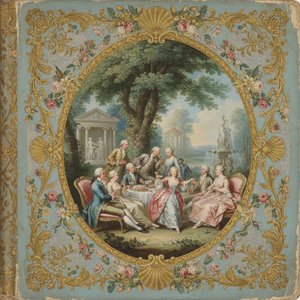
The Rococo Style: Aristocratic Leisure & the Pursuit of Delight in 18th-Century Art
Explore the opulent world of Rococo art! Discover Watteau, Boucher & Nattier's masterpieces. Expert insights for collectors seeking museum-quality reproductions and custom portraits at AllPaintingsStore.

Charles Le Brun: Master of French Baroque Classicism & His Enduring Legacy
Explore the life & art of Charles Le Brun, master of French Baroque Classicism. Discover his royal commissions, influence on Versailles, and enduring legacy through detailed analysis & stunning artworks.

Pietro Longhi's Venetian Scenes: A Study of Rococo Society & Domestic Life
Explore the captivating world of Pietro Longhi's Venetian scenes! Discover insightful analysis of his Rococo masterpieces & social commentary on 18th-century life. Learn about this 'Venetian Hogarth' and his lasting artistic legacy.

Jean-Baptiste-Siméon Chardin: Master of Still Life & Everyday Elegance
Explore the serene world of Jean-Baptiste-Siméon Chardin, master of still life & genre painting. Discover his revolutionary techniques, enduring legacy, and timeless depictions of everyday elegance. Learn more at AllPaintingsStore.





