


 Visualizar em escala
 Enviar
 Compartilhar
 Ver detalhes

 Baixar
 Semelhantes
 Raio X
 Apresentação de slides
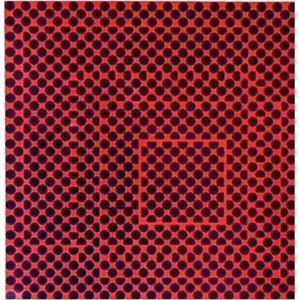
Lattice


 Ver mais
Giclée / Impressão de Arte
Impressão giclée ou em tela de qualidade de museu, com produção rápida e opções flexíveis de acabamento. ( Encomendar reprodução pintada à mão Comprar imagem em alta resolução)




































Escolha entre os nossos tamanhos pré-definidos que respeitam as proporções originais da obra de arte.

Você pode inserir suas próprias dimensões para se ajustar a uma moldura ou espaço específico. Se o tamanho selecionado não corresponder às proporções da imagem original, iremos recortar a obra de arte ou estender a imagem com uma borda espelhada ou preenchimento sólido. Um mockup digital será enviado para sua aprovação antes do início da produção.
Por favor, observe que a visualização na tela não reflete o recorte ou a extensão real. Apenas o mockup mostrará com precisão a composição final.
Embora tamanhos personalizados estejam disponíveis, recomendamos selecionar uma dimensão da lista predefinida para preservar as proporções originais.
Entrega mundial () em 2 semanas, em vez das 4/5 semanas padrão. (22 Agosto)

Envio Expresso Gratuito para todo o Mundo

Tela de Linho Premium

Seguro de transporte total

Garantia de Reembolso de Impostos Alfandegários

Garantia de Fidelidade de Cor

Política de Devolução de 60 Dias (Apenas para Defeitos)

Garantia de reembolso de 100%

Desconto para múltiplas unidades
 A opção de vidro está disponível apenas para tamanhos inferiores a 110 cm

Lattice
Giclée / Impressão de Arte
Dimensões da Reprodução
-


Preço Total
$ 64
Obras Relacionadas



Biografia do Artista
The Radical Dismantling of the Painted Image
In the late 1960s, a seismic shift occurred within the French art scene, led by a group of visionaries determined to strip painting of its traditional illusions and decorative pretenses. At the heart of this movement was Daniel Dezeuze, a pivotal figure and founding member of the influential Supports/Surfaces collective. Alongside peers such as Claude Viallat and Jean-Pierre Pincemin, Dezeuze embarked on a profound interrogation of the medium itself. Rather than treating the canvas as a window into another world, he sought to expose its very bones. This radical project was not merely a stylistic rebellion; it was an intellectual endeavor to dismantle the established framework of art history, liberating the act of creation from the heavy weight of representation and the false security of the frame. By deconstructing the relationship between the support and the surface, Dezeuze challenged viewers to confront the raw materiality of the artistic object.Intellectual Foundations and Global Perspectives
Dezeuze’s approach to visual deconstruction was deeply informed by his rigorous academic pursuits. His journey, which led him to earn a doctorate in comparative literature at the Sorbonne, instilled in him a unique sensitivity to the relationship between language, structure, and form. This intellectual depth, paired with his formative years spent traversing the diverse landscapes of Spain and Mexico, allowed him to approach art through a lens of cultural and structural complexity. His work does not merely exist as an object but functions as a dialogue—a way of reading the space between what is present and what is absent. By integrating influences from both American minimalism and non-Western traditions, he crafted a visual language that is simultaneously austere and deeply layered with meaning, bridging the gap between scholarly inquiry and tactile experimentation.The Poetics of Materiality and Space
As his career progressed, Dezeuze’s work moved toward an even more elemental exploration of form, often stripping away the fabric to reveal the structural skeletons beneath. He began to utilize materials that challenged the very definition of sculpture and painting, frequently employing wooden ladders, metal gauze, and nets to redefine the boundaries of the medium. These objects do not simply occupy space; they actively reshape it, inviting the viewer to contemplate the tension between presence and void. The use of such skeletal structures became emblematic of his aesthetic philosophy—a pursuit of an architecture of lightness and transparency. Through this mastery of texture and geometry, Dezeuze achieved a profound balance of precision and vulnerability, securing his legacy as a master of deconstruction who found beauty in the very elements once hidden by the canvas.
Daniel Dezeuze
1942 - , France
Informações Rápidas
- Artistic Movement Or Style: Supports/Surfaces
- Artists Or Movements Influenced By This Artist:
- Minimalism
- Conceptual Art
- Artists Who Influenced This Artist:
- Claude Viallat
- Georges Mathieu
- Date Of Birth: 1942
- Full Name: Daniel Dezeuze
- Nationality: French
- Notable Artworks:
- Lattice
- Armes et Scènes de guerre
- Place Of Birth: Alès, France


