


 Visualizar na parede
 Compartilhar
 Compartilhar
 Detalhes
 Guia
Guia

 Baixar imagem
 Semelhantes
 Raio X
 Ver diaporama
 Perguntas e Respostas
 Estatísticas
A Peaceable Kingdom


 Ler mais
Giclée / Impressão de Arte
Impressão giclée ou em tela de qualidade de museu, com produção rápida e opções flexíveis de acabamento. ( Comprar pintura feita à mão Alternar para Imagem Digital)




































Escolha entre os nossos tamanhos pré-definidos que respeitam as proporções originais da obra de arte.

Insira a largura e a altura desejadas para se ajustarem à sua moldura ou parede. Uma impressão pode ser apenas cortada, nunca ampliada além da imagem original; portanto, um tamanho com proporções diferentes resultará na perda de parte da imagem. Enviamos uma maquete digital para sua aprovação antes de realizarmos a impressão. A imagem exibida nesta página não mostra o corte real — apenas a maquete o faz.
Entrega mundial () em 2 semanas, em vez das 4/5 semanas padrão. (4 Novembro)

Envio expresso gratuito para todo o mundo

Tela de Linho de Alta Qualidade

Seguro de transporte completo

Garantia de Reembolso de Impostos Alfandegários

Garantia de Fidelidade Cromática

Política de Devolução em 100 Dias (Apenas para Defeitos)

Garantia de reembolso de 100%

Oferta de desconto por quantidade
 A opção de vidro está disponível apenas para tamanhos inferiores a 110 cm

A Peaceable Kingdom
Giclée / Impressão de Arte
Tamanho da Reprodução
-


Preço Total
€ 58
Introduction
A Peaceable Kingdom, painted by Edward Hicks in 1829, is a captivating oil on canvas artwork that embodies the essence of harmony between humans and nature. This painting is part of the collection at the Maier Museum of Art at Randolph College in the United States.The Biblical Inspiration
The scene depicted in A Peaceable Kingdom is inspired by the biblical story of Noah's Ark, where animals from different species coexist peacefully. The painting features a diverse array of animals, including elephants, lions, tigers, bears, and deer, all gathered together on a boat. This imagery symbolizes the unity and peaceful coexistence that can be achieved between humans and nature.Composition and Symbolism
The composition of the painting is noteworthy for its arrangement of animals and people. The animals are placed throughout the boat, with some standing closer to the front and others further back. People are scattered around the boat, interacting with the animals or simply observing them. This arrangement highlights the harmony between humans and nature, as they share a common space.Artistic Significance
A Peaceable Kingdom is not only a beautiful piece of art but also carries significant symbolic meaning. It represents a utopian vision where all living beings can live in peace and harmony. The painting's message resonates with the viewer, encouraging them to reflect on their relationship with nature.Other Works by Edward Hicks
Edward Hicks was a prolific artist who created several versions of A Peaceable Kingdom. Some notable works include:- Peaceable Kingdom (15) at the Mercer Museum in the United States.
- Peaceable Kingdom.
- Peaceable Kingdom (20) at the Yale University Art Gallery in Hartford, United States.
Conclusion
A Peaceable Kingdom by Edward Hicks is a masterpiece that conveys a powerful message of harmony and coexistence. The painting's beauty and symbolism make it a significant work in the world of art. For those interested in exploring more artworks, Discovering the Artworks Exhibited at Schloss Sanssouci in Berlin, Germany, offers a fascinating look into other notable pieces. AllPaintingsStore.com provides high-quality, handmade oil painting reproductions of famous artworks like A Peaceable Kingdom. Visit AllPaintingsStore.com to explore and own your piece of art history.Perguntas e Respostas
"A Peaceable Kingdom" apresenta contrastes fortes entre luz e sombra?
"A Peaceable Kingdom", de Edward Hicks apresenta um contraste Bold entre suas áreas claras e escuras.
O que "A Peaceable Kingdom" compartilha com o restante da obra de Edward Hicks?
"A Peaceable Kingdom" compartilha com as outras obras de Edward Hicks o seu estilo Baroque e os temas recorrentes: peaceable kingdom series, american folk art icon, moralistic narratives, symbolic storytelling, baroque grandeur, biblical storytelling, detailed realism, moral allegory.
Qual origem nacional fundamenta o Baroque de "A Peaceable Kingdom"?
"A Peaceable Kingdom" foi criada por Edward Hicks, nascido em Estados Unidos da América, dentro do movimento Baroque. A origem do artista vincula a obra ao Baroque, tal como praticado por artistas de Estados Unidos da América.
Obras Relacionadas


Biografia do Artista
A Life Rooted in Faith and Vision
Edward Hicks, born April 4th, 1780, in the tranquil landscape of Attleboro (now Langhorne), Bucks County, Pennsylvania, was a figure uniquely positioned at the intersection of religious conviction and artistic expression. His story is not simply that of a self-taught painter, but of a dedicated Quaker minister whose spiritual journey profoundly shaped his distinctive visual language. Though born to Anglican parents, young Edward’s life took a pivotal turn when he came under the care of Matron Elizabeth Twining, a devout Quaker who instilled in him the core tenets of this faith – simplicity, peace, and an unwavering belief in the “inner light.” This early exposure would become the bedrock upon which his artistic vision was built. From the age of thirteen, Hicks apprenticed with coach makers William and Henry Tomlinson, mastering the techniques of decorative painting that would initially sustain him. However, even as he honed his skills in rendering ornate designs on carriages, a deeper calling resonated within him, one that would ultimately lead him down a path less traveled – a path where faith and artistry converged. By 1803, Hicks had fully embraced the Society of Friends, marrying Sarah Worstall and embarking on a life of itinerant preaching throughout Philadelphia, all while continuing to support his growing family through his painting skills.The Evolving Canvas: From Coachwork to Spiritual Landscapes
Hicks’s artistic development was far from conventional. He wasn't formally trained in the academic traditions of the time; instead, he cultivated a distinctly American folk art style born from observation, necessity, and deeply held beliefs. Initially, his paintings served practical purposes – house painting, coach decoration, tavern signs, and even decorative work on furniture and farm equipment. These early commissions provided financial stability but often conflicted with the Quaker emphasis on plainness and eschewal of worldly vanities. A period of hardship in 1815 saw Hicks briefly abandon ornamental painting for farming, a venture that proved unsuccessful. It was through encouragement from friends that he returned to his brushes in 1816, a turning point that allowed him to reconcile his artistic talents with his spiritual calling. He began to imbue his paintings with symbolic meaning, reflecting his Quaker worldview and personal interpretations of scripture. His canvases became vehicles for conveying messages of peace, harmony, and the promise of a divinely ordained order.The Peaceable Kingdom: A Vision of Harmony
Edward Hicks is most celebrated today for his series of paintings known collectively as *The Peaceable Kingdom*. Comprising over sixty variations created throughout his life, these works are arguably the most iconic examples of American folk art. Inspired by Isaiah 11:6-9 – a passage foretelling a time when natural predators would coexist peacefully – Hicks depicted scenes of wild animals and children living in idyllic harmony. The paintings often feature figures from colonial Pennsylvania history, such as William Penn negotiating treaties with Native Americans, further grounding the biblical vision within an American context. *The Peaceable Kingdom* is not simply a charming depiction of animal life; it’s a powerful statement about Hicks's belief that Pennsylvania represented a fulfillment of this prophetic ideal – a place where peace and justice could prevail. Each version of *The Peaceable Kingdom* possesses subtle variations in composition, color palette, and detail, reflecting Hicks’s evolving artistic sensibilities and deepening spiritual understanding. Notable examples include *Peaceable Kingdom (31)* housed at Yale University Art Gallery, and *Peaceable Kingdom (34)* which portrays Noah's Ark amidst a serene landscape.Beyond the Kingdom: A Broader Artistic Scope
While *The Peaceable Kingdom* remains his signature achievement, Hicks’s artistic output extended beyond this celebrated series. He painted landscapes, portraits, and historical scenes, each imbued with his characteristic folk art style and Quaker sensibility. His *Falls of Niagara*, now at the Abby Aldrich Rockefeller Folk Art Center, demonstrates his ability to capture the grandeur of nature while maintaining a sense of simplicity and reverence. Similarly, his depiction of *George Washington crossing...* – also held at the Abby Aldrich Rockefeller Folk Art Center – offers a unique folk perspective on this iconic moment in American history. Even seemingly mundane subjects like *Grave of William Penn at Jordans in England*, reveal Hicks’s deep connection to Quaker heritage and his ability to find spiritual significance in everyday scenes. These works, taken together, demonstrate the breadth of Hicks's artistic vision and his commitment to using art as a means of expressing his faith and values.A Lasting Legacy: The Folk Art Icon
Edward Hicks passed away on August 23rd, 1849, in Newtown, Pennsylvania, leaving behind a body of work that continues to resonate with audiences today. He is now recognized as a pivotal figure in American folk art, celebrated for his distinctive style, recurring themes, and profound spiritual depth. His paintings offer invaluable insights into the beliefs and values of the Society of Friends during the 19th century, providing a visual record of their commitment to peace, simplicity, and social justice. Hicks’s unique ability to blend religious faith with artistic expression created a body of work that is both visually compelling and spiritually meaningful. He remains a testament to the power of self-taught artistry and the enduring influence of Quaker ideals on American art history. His legacy continues to inspire artists and scholars alike, ensuring that his vision of harmony—both earthly and divine—will endure for generations to come.
Edward Hicks
1780 - 1849 , Estados Unidos da América
Dados Rápidos
- Artistic Movement Or Style: Folk Art
- Artists Who Influenced This Artist: ['']
- Date Of Birth: April 4, 1780
- Date Of Death: August 23, 1849
- Full Name: Edward Hicks
- Nationality: American
- Notable Artworks:
- Peaceable Kingdom (31)
- Falls of Niagara
- George Washington crossing...
- Peaceable Kingdom (34)
- Place Of Birth: Langhorne, USA
Artigos Relacionados

Edward Hicks’ ‘Peaceable Kingdom’: American Folk Art & the Shaping of a National Identity
Explore the profound symbolism & historical context of Edward Hicks’ ‘Peaceable Kingdom.’ Discover how this iconic American folk art masterpiece reflects Quaker values and shaped a nation's identity. Learn more at AllPaintingsStore.

Edward Wilkins Waite: A Victorian Vision of Surrey's Serene Landscapes & Artistic Legacy
Explore the serene landscapes of Edward Wilkins Waite (1854-1924), a prolific Victorian painter celebrated for his depictions of Surrey's countryside. Discover his artistic influences, career highlights & collecting guide.

Edward Hopper: As 25 Obras-Primas que Definem a Alma Americana | AllPaintingsStore
Descubra as 25 obras-primas de Edward Hopper, o mestre do realismo americano. Explore a atmosfera melancólica, luz e sombra em quadros icônicos como 'Nighthawks'. Encontre reproduções de arte exclusivas para decorar sua casa com AllPaintingsStore.com.

Edward Lear: A Life Beyond Nonsense – Landscape, Illustration & the Poetics of Isolation
Explore the life of Edward Lear beyond his nonsense poems. Discover his stunning landscape paintings, travel illustrations & the poignant themes of isolation in this expert art history analysis.
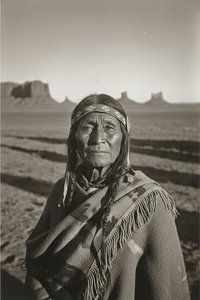
Shadow Catcher: Edward S. Curtis & the Ethnographic Portraiture of a Vanishing West
Explore the life & work of Edward S. Curtis, the 'Shadow Catcher,' and his groundbreaking photographic documentation of Native American cultures. Discover iconic images from *The North American Indian* and a critical look at his lasting legacy.