


 Visualizar na parede

 Compartilhar
 Compartilhar
 Detalhes
 Guia


 Baixar imagem
 Semelhantes
 Raio X
 Ver diaporama
 Perguntas e Respostas
 Estatísticas
Haskell

- 34.0 x 49.0 cm


 Ler mais
A obra de arte exibida nesta página é protegida por leis de direitos autorais, o que significa que não podemos criar ou vender legalmente uma reprodução idêntica. Esta proteção é aplicada por meio de acordos internacionais, tais como a Convenção de Berna e pelas leis nacionais, incluindo as estabelecidas por Lei de Direitos Autorais dos EUA - Título 17.
Este método cumpre plenamente as regulamentações de direitos autorais, pois não envolve a cópia ou duplicação da obra protegida. Em vez disso, trata-se de uma reinterpretação criativa — uma nova pintura que é influenciada pela original, mas não idêntica a ela.
Giclée / Impressão de Arte
Impressão giclée ou em tela de qualidade de museu, com produção rápida e opções flexíveis de acabamento. ( Comprar pintura feita à mão Alternar para Imagem Digital)
P118B €10
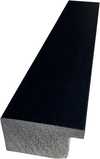
P118H €10
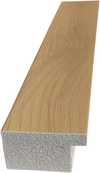
P118W €10
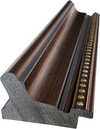
P438Z €10
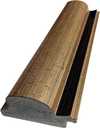
P508JH €12
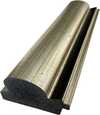
P508YH €12
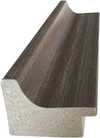
P805H €10
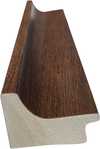
P805Z €10
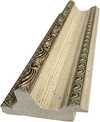
P919BZ €10
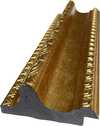
P919G €10
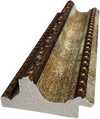
P919XJ €10
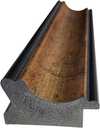
P959ZH €10
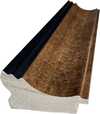
P968JZ €12
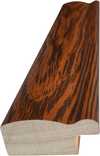
W106C €8

W218G €10
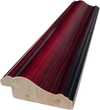
W218JH €8
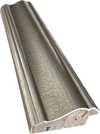
W218Y €10
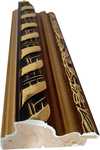
W307PJ €10
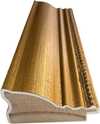
W316G €10
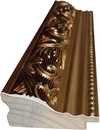
W316PJ €8
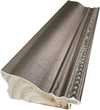
W316Y €10
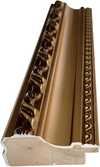
W398PJ €8
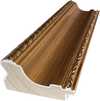
W4111J €10
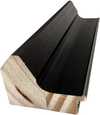
W500HY €15
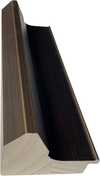
W500JH €15

W692G €12
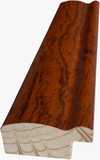
W849H €8
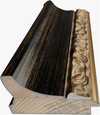
W940BG €15
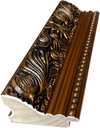
W953PJ €8
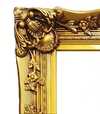
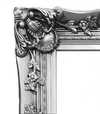
Escolha entre os nossos tamanhos pré-definidos que respeitam as proporções originais da obra de arte.

Insira a largura e a altura desejadas para se ajustarem à sua moldura ou parede. Uma impressão pode ser apenas cortada, nunca ampliada além da imagem original; portanto, um tamanho com proporções diferentes resultará na perda de parte da imagem. Enviamos uma maquete digital para sua aprovação antes de realizarmos a impressão. A imagem exibida nesta página não mostra o corte real — apenas a maquete o faz.
Entrega mundial () em 2 semanas, em vez das 4/5 semanas padrão. (19 Novembro)

Envio expresso gratuito para todo o mundo

Tela de Linho de Alta Qualidade

Seguro de transporte completo

Garantia de Reembolso de Impostos Alfandegários

Garantia de Fidelidade Cromática

Política de Devolução em 100 Dias (Apenas para Defeitos)

Garantia de reembolso de 100%

Oferta de desconto por quantidade
 A opção de vidro está disponível apenas para tamanhos inferiores a 110 cm

Haskell
Giclée / Impressão de Arte
Tamanho da Reprodução
-


Preço Total
€ 58
A Study in Quietude: The Poignant Stillness of Edward Hopper’s Haskell
In the vast tapestry of American modernism, few works capture the delicate tension between presence and absence as effectively as Edward Hopper’s 1924 watercolor, Haskell. This evocative piece transcends a mere architectural study, offering instead a profound meditation on solitude and the quiet observation of the landscape. At first glance, the viewer is presented with a deceptively simple scene: a modest white house perched gracefully atop a gentle hillside, bathed in the soft, diffused light of a clear day. Yet, beneath this tranquil surface lies a palpable sense of introspection. Hopper utilizes the watercolor medium to masterfully manipulate tonal variations, allowing the creamy whites of the house's siding to contrast with the muted, earthy greens of the surrounding foliage. The composition is anchored by strong horizontal lines that mirror the expansive vista, creating a feeling of openness that paradoxically emphasizes the isolation of the dwelling.
The technical brilliance of Haskell lies in Hopper’s ability to use light as a narrative force. Through careful brushstrokes and precise geometric delineations, he imbue the architecture with a textural richness that feels both grounded and ethereal. The way shadows stretch across the expansive windows suggests a passing of time, inviting the viewer to linger within the stillness. This mastery of light and shadow is a hallmark of Hopper’s style, a technique that would later define his most iconic oil paintings. By integrating subtle architectural details with the organic flow of the landscape, he creates a visual equilibrium that is both unsettling and deeply captivating, prompting a contemplation of what lies hidden behind those silent windows.
Historical Resonance and the American Soul
To understand Haskell, one must look toward the cultural landscape of post-World War I America. Painted during an era of rapid industrialization and burgeoning urbanization, the work aligns with the spirit of American Regionalism—a movement dedicated to portraying the authentic, unvarnished essence of everyday life. As cities grew more crowded and complex, a new sense of alienation began to permeate the collective psyche. Hopper captures this burgeoning modern loneliness not through grand tragedy, but through the quietude of a single hilltop home. The inclusion of two small figures near the base of the composition serves as a vital human element; they are observers within the frame, much like the viewer, yet their presence subtly disrupts the stillness, reminding us of the human connection to the vast, often indifferent, landscape.
For the discerning collector or interior designer, Haskell offers more than just aesthetic beauty; it provides a window into a pivotal moment in art history. The painting’s ability to evoke both peace and a subtle, underlying anxiety makes it a versatile masterpiece for modern spaces. It possesses a timeless quality that complements sophisticated, minimalist interiors, where its soft palette and structural clarity can serve as a focal point of contemplation. Whether viewed as a relic of early 20th-century realism or as a contemporary symbol of mindfulness and retreat, this watercolor remains an enduring testament to Hopper’s ability to find the extraordinary within the ordinary.
Perguntas e Respostas
Que humor e emoção se unem em "Haskell"?
Em "Haskell", um clima Serene acompanha uma emoção Reflective.
A qual movimento artístico pertence "Haskell", de Edward Hopper?
"Haskell" é uma obra do Contemporary Realism. O movimento indica a tradição artística da qual a obra faz parte.
Para que tipo de uso se recomenda uma impressão de "Haskell"?
Uma reprodução de "Haskell", de Edward Hopper é recomendada para Mood. Esta sugestão decorre do tema, da atmosfera e das cores da obra.
Obras Relacionadas


Biografia do Artista
A Quietude da Cena Americana
Edward Hopper nasceu em Upper Nyack, Estados Unidos da América. Seus primeiros anos foram dedicados a observar o mundo com um olhar atento, um hábito que começou com esboços de infância meticulosamente datados e assinados. Embora seus pais tenham sugerido um caminho prático na ilustração comercial, seu foco permaneceu nas belas artes. Ele estudou na New York School of Art sob a orientação de William Merritt Chase e Robert Henri. Esses anos lhe conferiram a habilidade técnica necessária para retratar o mundo de forma crua e honesta. Ele não buscou as pinceladas fugazes dos Impressionistas que encontrou em Paris; em vez disso, desenvolveu uma forma de ver que privilegiava a quietude de um momento em detrimento do movimento de uma multidão.
Sua obra frequentemente se concentra no cotidiano. Ele observava casas, lanchonetes, escritórios e quartos de hotel, despojando as cenas de detalhes desnecessários para encontrar a verdade emocional subjacente. Em House by the Railroad (1925), uma composição simples revela um senso de mistério e isolamento. Ele utilizava a luz e a sombra não apenas para descrever um ambiente, mas para estabelecer um estado de espírito. A renderização precisa de uma sombra em uma parede ou a maneira como a luz incide sobre uma janela tornou-se sua forma de comunicar o estado psicológico de seus sujeitos.
Luz e o Interior Urbano
A maneira como a luz penetra em um espaço é um personagem central em suas pinturas. Em Nighthawks (1942), a luz fluorescente e crua de uma lanchonete de madrugada corta a escuridão de uma rua urbana deserta. As figuras no interior estão fisicamente próximas, mas parecem perdidas em seus próprios pensamentos, desconectadas umas das outras. Esse senso de anonimato em uma cidade lotada tornou-se um tema recorrente. Ele capturou a tensão de estar sozinho em um lugar público, um sentimento que ressoa em obras como Automat e Office in a Small City. Ele estava interessado na forma como a luz artificial interage com a escuridão natural da noite.
Sua esposa, Josephine Nivison Hopper, era uma presença constante. Ela era uma artista e frequentemente servia como sua modelo, e sua presença é sentida na caracterização de muitas de suas figuras femininas. Juntos, eles levavam uma vida modesta, passando frequentemente os verões na Nova Inglaterra, o que influenciou as paisagens que ele pintava. Suas representações da paisagem americana, tanto rurais quanto urbanas, frequentemente enfatizam uma certa austeridade ou vazio. Seja em um posto de gasolina à beira da estrada em Gas (1940) ou em um quarto silencioso de um hotel, o tema é sempre a intersecção entre um lugar físico e uma experiência interna e privada.
Um Legado de Observação
A influência de Hopper estende-se à linguagem visual do cinema e da literatura. Sua capacidade de criar uma sensação de tensão psicológica através da composição foi notada por muitos que estudam a forma como histórias são contadas por meio de imagens. Suas pinturas permanecem em grandes museus ao redor do mundo, integradas a coleções como a do Whitney Museum of American Art e do Museum of Fine Arts, em Boston. Ele não buscava grandes narrativas históricas; encontrou seu tema nos cantos silenciosos da vida cotidiana, transformando uma janela simples ou um estranho que passa em um estudo da condição humana. Sua obra permanece como um estudo do silêncio que existe entre as pessoas.
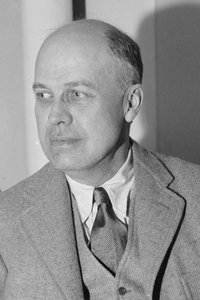
Edward Hopper
1931 - 1967 , Estados Unidos da América
Dados Rápidos
- Artistas Ou Movimentos Influenciados Por Este Artista: ['Pierre Sanford Ross']
- Artistas Que Influenciaram Este Artista:
- William Merritt Chase
- Robert Henri
- Edgar Degas
- Édouard Manet
- Data De Morte: 1967
- Data De Nascimento: 1931
- Local De Nascimento: Upper Nyack, Estados Unidos da América
- Movimento Ou Estilo Artístico: Realismo americano
- Nacionalidade: Americano
- Nome Completo: Edward Hopper
- Obras De Arte Notáveis:
- Nighthawks
- Gas
- House by the Railroad
- Automat
- Office in a Small City
- Summertime
Artigos Relacionados

American Regionalism: An Expert Guide to Integrating Heartland Soul into Hospitality Design
Elevate hospitality interiors with the authentic soul of American Regionalism. An expert guide for hotel designers on sourcing high-quality, large-scale oil reproductions and custom multi-panel landscapes to create timeless, character-driven spaces for global travelers.

25 Must-See Masterpieces at the Smithsonian American Art Museum
Explore 25 iconic works from the Smithsonian American Art Museum. From Hopper to O'Keeffe, find museum-quality art on AllPaintingsStore.com.

10 Iconic Masterpieces That Defined Contemporary Realism
Journey through the soul of Contemporary Realism. Explore 10 iconic masterpieces, their legendary artists, and the breathtaking techniques that define modern realism. Find museum-quality art reproductions and decor inspiration at AllPaintingsStore.com. Discover all masterpieces online.

Mastering Solitude: The 25 Most Iconic Edward Hopper Paintings
Step into the evocative world of American Realism with our curated guide to the top 25 Edward Hopper artworks. Explore the profound beauty of light, shadow, and solitude through these iconic masterpieces. Find museum-quality art inspiration at AllPaintingsStore.com. Discover all masterpieces online.


