

Acrylic On Canvas.

§ 1Dados do catálogo

Esta obra está protegida por direitos autorais
A obra de arte exibida nesta página é protegida por leis de direitos autorais, o que significa que não podemos criar ou vender legalmente uma reprodução idêntica. Esta proteção é aplicada por meio de acordos internacionais, tais como a Convenção de Berna e pelas leis nacionais, incluindo as estabelecidas por Lei de Direitos Autorais dos EUA - Título 17.
Como uma alternativa respeitosa e legal, oferecemos obras de arte personalizadas e pintadas à mão, inspiradas na obra original. Nossos artistas profissionais e experientes estudam cuidadosamente o estilo, a atmosfera e a essência artística da obra original para criar uma peça nova e única que evoque a mesma sensação — permanecendo como uma criação original por direito próprio.
Este método cumpre plenamente as regulamentações de direitos autorais, pois não envolve a cópia ou duplicação da obra protegida. Em vez disso, trata-se de uma reinterpretação criativa — uma nova pintura que é influenciada pela original, mas não idêntica a ela.
 Leia mais
§ 2Abstrato
Descrição do Item
Nighthawks, completed in 1942, depicts four figures in a Greenwich Village diner illuminated by stark light—a poignant portrayal of urban isolation and Hopper’s signature realism. Inspired by Hemingway's stories and Jo Hopper’s detailed notes, this painting exemplifies American Realism.
Biografia do Artista
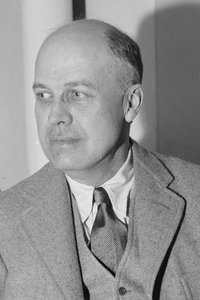
Edward Hopper: mestre do realismo americano, captura solidão e vida urbana com luzes e sombras evocativas. Explore suas obras icônicas como Nighthawks e Monhegan Houses.
§ 3Comentário
untitled (1548): A Portrait of Urban Isolation
Edward Hopper’s “untitled (1548)” – often referred to as “Nighthawks” – remains one of the most iconic images of American modernism. Completed in 1942, amidst the anxieties of World War II and the burgeoning disillusionment of postwar America, this painting transcends mere depiction; it embodies a profound exploration of solitude, unspoken tension, and the pervasive feeling of disconnection that characterizes urban life.
- Composition & Setting: The canvas presents a meticulously crafted tableau within a diner—a commonplace American institution transformed into a stage for psychological drama. Hopper’s masterful use of horizontal lines establishes stability against the backdrop of a darkened street, while the large rectangular window punctuates the scene with an unsettling glimpse of the exterior world. Three figures occupy the counter, creating a triangular arrangement that subtly directs the viewer's gaze.
- Color Palette & Lighting: Hopper’s subdued color palette—dominated by earthy tones and muted blues—contrasts sharply with the incandescent glow emanating from the diner interior. The warm red of the woman’s dress serves as an emotional focal point, juxtaposed against the cool blues and greens of the surrounding environment. Dramatic directional lighting casts long shadows that emphasize the figures' isolation and heighten the painting’s melancholic atmosphere.
- Style & Technique: Hopper’s distinctive style is characterized by realism tempered with stylistic precision. Smooth brushstrokes convey a sense of clarity and detail, capturing the textures of surfaces—the worn wood of the counter, the polished chrome of the fixtures—with remarkable accuracy. This meticulous technique contributes to an overall feeling of stillness and observation.
- Symbolism & Emotional Impact: “Nighthawks” operates on multiple levels of symbolic interpretation. The figures’ averted gazes suggest a profound lack of connection, mirroring the anxieties of modern existence. Hopper's deliberate omission of narrative detail invites viewers to contemplate themes of loneliness, alienation, and the unspoken dramas unfolding within seemingly ordinary spaces. It speaks to the human condition—the yearning for companionship amidst the vastness of urban solitude.
- Historical Context: Painted during a period marked by significant social upheaval, “Nighthawks” reflects the anxieties of wartime America and captures the pervasive sense of uncertainty that permeated the postwar era. Hopper’s depiction of American life aligns with the broader artistic movement of Realism, prioritizing psychological insight over sentimental representation.
More than just a visual record of a diner at night, “untitled (1548)” is a timeless meditation on human experience—a poignant reminder that even in crowded cities, individuals can exist in profound isolation. Its enduring appeal lies in Hopper’s ability to distill complex emotions into deceptively simple forms, cementing its place as one of the most influential paintings of the 20th century.
Perguntas e Respostas
Como o meio e o movimento se combinam em "untitled (1548)"?
Em "untitled (1548)", a técnica de Acrylic On Canvas encontra o movimento Contemporary Realism.
Qual é o nível de contraste de "untitled (1548)", de Edward Hopper?
O contraste entre claro e escuro de "untitled (1548)" é registrado como Statement. O contraste descreve a intensidade da diferença entre as áreas claras e escuras.
Quem criou "untitled (1548)" e em qual estilo se encontra?
"untitled (1548)" foi criada por Edward Hopper no estilo Contemporary Realism. O artista e o movimento identificam a tradição da obra.


 Alternar para Impressão


 Para obras de arte ou reproduções com mais de 105 cm (aproximadamente 41 polegadas) em qualquer um dos lados, a moldura será enviada como um kit desmontado. Este método garante uma entrega segura e evita danos durante o transporte.


