

Acrylic On Canvas.

§ 1Catalogue data

Esta obra está protegida por direitos autorais
A obra de arte exibida nesta página é protegida por leis de direitos autorais, o que significa que não podemos criar ou vender legalmente uma reprodução idêntica. Esta proteção é aplicada por meio de acordos internacionais, tais como a Convenção de Berna e pelas leis nacionais, incluindo as estabelecidas por Lei de Direitos Autorais dos EUA - Título 17.
Como uma alternativa respeitosa e legal, oferecemos obras de arte personalizadas e pintadas à mão, inspiradas na obra original. Nossos artistas profissionais e experientes estudam cuidadosamente o estilo, a atmosfera e a essência artística da obra original para criar uma peça nova e única que evoque a mesma sensação — permanecendo como uma criação original por direito próprio.
Este método cumpre plenamente as regulamentações de direitos autorais, pois não envolve a cópia ou duplicação da obra protegida. Em vez disso, trata-se de uma reinterpretação criativa — uma nova pintura que é influenciada pela original, mas não idêntica a ela.
 Leia mais
§ 2Abstract
Descrição do Item
Edward Hopper's 'Untitled (3361)' captures urban solitude and quiet reflection with figures seated in a diner window, embodying the artist’s signature style of American realism and poignant isolation.
Biografia do Artista
Edward Hopper: mestre do realismo americano, captura solidão e vida urbana com luzes e sombras evocativas. Explore suas obras icônicas como Nighthawks e Monhegan Houses.
§ 3Commentary
A Moment Frozen in Time: The Enigmatic World of Edward Hopper
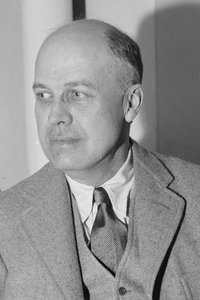
Edward Hopper's "Untitled (3361)," a black and white photograph capturing a quiet scene outside a building, isn’t merely a depiction of five individuals seated on sidewalk chairs; it’s a distilled essence of 20th-century American experience – a poignant exploration of isolation, urban anonymity, and the subtle melancholy that often underlies modern life. Created during Hopper's most prolific period, this work exemplifies his signature style: stark realism imbued with an almost dreamlike quality, achieved through masterful use of light and shadow. The photograph itself presents a scene frozen in time, inviting viewers to contemplate the stories – or perhaps the lack thereof – behind each figure’s posture and gaze.
Hopper, born in Nyack, New York, in 1882, possessed an innate ability to observe and translate the complexities of human interaction into visual form. His early training at the New York School of Art, under influential figures like William Merritt Chase and Robert Henri, instilled a deep appreciation for realism while simultaneously nurturing his unique artistic voice. This photograph, created around 1930-1940, reflects this synthesis – a precise rendering of reality layered with an underlying current of introspection. The composition is deliberately restrained, focusing on the immediate foreground figures while subtly receding into the background, creating a sense of spatial depth and drawing the viewer’s eye to the central drama unfolding within the frame.
The Language of Light and Shadow: Hopper's Signature Technique
Hopper’s genius lay not just in his subject matter but also in his technical execution. He was a master of light, using it to sculpt form, define mood, and evoke emotion. In "Untitled (3361)," the stark contrast between the illuminated interior of the building and the shadowed sidewalk creates a powerful visual tension. The diffused light filtering through the windows casts an ethereal glow on the seated figures, highlighting their faces and postures while simultaneously obscuring details and contributing to the overall sense of mystery. The use of black and white further amplifies this effect, stripping away color and focusing attention solely on form, texture, and tonal variations.
Notice the deliberate placement of the chairs – angled at various points, creating a dynamic yet static composition. This arrangement subtly suggests a sense of unease or awkwardness, hinting at unspoken interactions and unresolved tensions. The book resting on one chair adds another layer of intrigue, prompting questions about the individuals’ thoughts and activities. Hopper's meticulous attention to detail – from the wrinkles in the faces of the seated figures to the subtle variations in texture of the sidewalk – contributes significantly to the photograph’s realism and emotional resonance.
Symbolism and the Poetics of Loneliness
While Hopper himself often resisted definitive interpretations of his work, "Untitled (3361)" is widely understood as a meditation on loneliness and isolation—themes that were central to his artistic vision. The figures in the photograph appear detached from one another, lost in their own thoughts or absorbed in private worlds. Their postures – some relaxed, others tense – suggest a range of emotions, but none convey overt connection. The empty street and the darkened building contribute to this sense of solitude, reinforcing the feeling that these individuals are adrift in an indifferent urban landscape.
Considering Hopper’s broader body of work, particularly paintings like “Nighthawks” and “Gas,” it's clear that he was fascinated by the quiet dramas unfolding within everyday American life. “Untitled (3361)” serves as a microcosm of this larger theme, offering a glimpse into the hidden lives of ordinary people and prompting viewers to contemplate their own experiences of isolation in an increasingly complex world. The photograph’s enduring appeal lies in its ability to evoke a powerful emotional response – a sense of melancholy, curiosity, and perhaps even a touch of recognition.
Perguntas e Respostas
Qual é a tonalidade predominante que percorre "untitled (3361)", de Edward Hopper?
A tonalidade dominante de "untitled (3361)", de Edward Hopper é Amber to Saffron. A tonalidade é o tom subjacente da paleta.
"untitled (3361)" é mais claro ou mais escuro no geral?
"untitled (3361)", de Edward Hopper apresenta um brilho de brilliant, com uma luminância de Bright Balance.
"untitled (3361)" está disponível como uma impressão fine art?
Uma impressão de "untitled (3361)", de Edward Hopper pode ser encomendada diretamente na sua página de Impressão Fine Art: uma impressão fine art em tela de algodão ou papel canvas de arquivo.


 Alternar para Impressão


 Para obras de arte ou reproduções com mais de 105 cm (aproximadamente 41 polegadas) em qualquer um dos lados, a moldura será enviada como um kit desmontado. Este método garante uma entrega segura e evita danos durante o transporte.


