


 Visualizar na parede
 Compartilhar
 Compartilhar
 Detalhes
 Guia
Guia

 Baixar imagem
 Semelhantes
 Raio X
 Ver diaporama
 Q&A
Q&A Estatísticas
untitled (6645)


 Ler mais
Giclée / Impressão de Arte
Impressão giclée ou em tela de qualidade de museu, com produção rápida e opções flexíveis de acabamento. ( Comprar pintura feita à mão Alternar para Imagem Digital)




P118B €10

P118H €10

P118W €10

P438Z €10

P508JH €12

P508YH €12

P805H €10

P805Z €10

P919BZ €10

P919G €10

P919XJ €10

P959ZH €10

P968JZ €12

W106C €8

W218G €10

W218JH €8

W218Y €10

W307PJ €10

W316G €10

W316PJ €8

W316Y €10

W398PJ €8

W4111J €10

W500HY €15

W500JH €15

W692G €12

W849H €8

W940BG €15

W953PJ €8




Escolha entre os nossos tamanhos pré-definidos que respeitam as proporções originais da obra de arte.

Insira a largura e a altura desejadas para se ajustarem à sua moldura ou parede. Uma impressão pode ser apenas cortada, nunca ampliada além da imagem original; portanto, um tamanho com proporções diferentes resultará na perda de parte da imagem. Enviamos uma maquete digital para sua aprovação antes de realizarmos a impressão. A imagem exibida nesta página não mostra o corte real — apenas a maquete o faz.
Entrega mundial () em 2 semanas, em vez das 4/5 semanas padrão. (29 Outubro)

Envio expresso gratuito para todo o mundo

Tela de Linho de Alta Qualidade

Seguro de transporte completo

Garantia de Reembolso de Impostos Alfandegários

Garantia de Fidelidade Cromática

Política de Devolução em 100 Dias (Apenas para Defeitos)

Garantia de reembolso de 100%

Oferta de desconto por quantidade
 A opção de vidro está disponível apenas para tamanhos inferiores a 110 cm

untitled (6645)
Giclée / Impressão de Arte
Tamanho da Reprodução
-


Preço Total
€ 56
A Haunting Encounter with Expressionist Rawness
To stand before Egon Schiele’s untitled (6645) is to enter a realm where the boundaries between the physical body and the psychological soul dissolve into a singular, breathless moment. This striking black and white composition serves as a profound testament to the anxieties of the early 20th century, capturing a scene that feels less like a captured moment and more like an unearthed memory. At its heart, the painting presents two figures seated upon the earth, locked in an embrace that is simultaneously intimate and fraught with an unspoken tension. Schiele, a master of the Austrian Expressionist movement, eschews the comfort of traditional beauty to instead offer a visual distillation of existential dread and human vulnerability.
The composition is masterfully orchestrated to direct the viewer’s gaze through a landscape of stark contrasts. While the central figures command our attention with their raw, naked presence, Schiele subtly anchors the scene with a solitary chair positioned in the upper left corner. This element introduces a sense of domesticity that feels strangely displaced, heightening the feeling of isolation within a minimal, almost void-like environment. The presence of other figures, partially obscured or receding into the background, adds layers of complexity to the narrative, suggesting a world that is watching, yet remains fundamentally disconnected from the central intimacy.
The Language of Line and Distorted Form
Schiele’s technique is nothing short of revolutionary, characterized by an expressive line that seems to vibrate with nervous energy. Eschewing the soft, blended transitions of his contemporaries, he utilizes bold, jagged contours to define the anatomy of his subjects. The bodies are often rendered with a deliberate distortion—elongated limbs and exaggerated musculature that amplify the emotional weight of the piece. This is not mere anatomical inaccuracy; it is a purposeful use of form to convey internal psychological states. The skin tones, even when interpreted through the monochrome lens, suggest a sickly pallor, hinting at the fragility of life and the pervasive presence of mortality that haunted Schoup’s personal history.
For the discerning collector or interior designer, this piece offers a sophisticated interplay of light and shadow. The absence of color forces the eye to focus on the structural integrity of the drawing and the dramatic tension created by the heavy blacks against the stark whites. This monochromatic palette lends the work a timeless, archival quality, making it an ideal centerpiece for spaces that value intellectual depth and avant-garde elegance. It is a work that does not merely decorate a wall; it commands the atmosphere of a room, inviting contemplation and deep emotional resonance.
Symbolism in an Age of Uncertainty
Created during the turbulent years surrounding 1916-1918, this work is deeply embedded in the historical zeitgeist of World War I. The pervasive sense of instability and the looming shadow of death are woven into the very fabric of the painting. Schiele’s obsession with the intersection of Eros and Thanatos—sexuality and death—finds its most potent expression here. The nakedness of the figures represents a total lack of defense, a stripping away of societal pretenses to reveal the primal truth of human existence. In an era defined by the collapse of old empires and the rise of psychoanalysis, Schiele’s work mirrors the collective psyche of a generation grappling with loss and the fragmentation of identity.
Investing in a high-quality reproduction of this masterpiece allows one to bring this profound dialogue between beauty and anguish into a modern setting. Whether placed in a curated gallery-style living room or a quiet study, untitled (6645) serves as a window into the turbulent heart of Modernism. It remains an enduring icon for those who find inspiration in the raw, unvarnished truth of the human condition and seek art that challenges, moves, and lingers in the mind long after the first encounter.
Perguntas e Respostas
Posso ver uma imagem de raio-X de "untitled (6645)", de Egon Schiele?
"untitled (6645)" pode ser examinado camada por camada na página Raio X da obra, um visualizador inspirado em uma mesa de luz de conservação com onze leituras ópticas da imagem.
Existe uma ficha informativa sobre "untitled (6645)", de Egon Schiele para estudantes?
O guia para "untitled (6645)" é a página de Ficha informativa da obra — uma ficha informativa imprimível que apresenta a obra com sua legenda, autoria e tabela de identificação (artista, datas, técnica, tamanho original, coleção).
Qual paleta de cores é utilizada em "untitled (6645)", de Egon Schiele?
As cores de "untitled (6645)" compõem uma paleta Dark. Esta classificação descreve as famílias de cores predominantes.
Obras Relacionadas


Biografia do Artista
A Life Forged in Expression
Egon Schiele, nascido em Tulln an der Donau, na Áustria, em 1890, foi um pintor austríaco cuja vida e obra são marcadas por uma intensidade emocional e uma busca implacável pela verdade. Sua trajetória foi permeada por perdas trágicas, desafios pessoais e uma visão artística que desafiou as convenções de sua época. Desde cedo, Schiele demonstrou uma sensibilidade aguçada e um fascínio pelo mundo ao seu redor, especialmente pelos trens – um tema recorrente em suas pinturas, simbolizando a efemeridade da vida e o desejo de movimento. Sua infância, no entanto, foi marcada pela doença e pela morte do pai, Adolf Schiele, vítima de sífilis quando Egon tinha apenas 14 anos. A perda da irmã Elvira também deixou uma cicatriz profunda em sua psique, influenciando a temática central de suas obras: a mortalidade e a fragilidade da existência humana. Criado inicialmente por sua mãe e posteriormente sob a tutela do tio Leopold Czihaczek, Schiele desenvolveu um espírito independente e uma determinação férrea em seguir seu próprio caminho artístico.The Crucible of Vienna: Artistic Development
Schiele iniciou seus estudos formais na Kunstgewerbeschule (Escola de Artes e Ofícios) em Viena, mas logo se sentiu sufocado por sua abordagem conservadora. Transferiu-se para a Akademie der bildenden Künste (Academia de Belas Artes), apenas para se decepcionar ainda mais com as rígidas tradições acadêmicas. Desiludido com o sistema formal, Schiele optou por trilhar seu próprio caminho, uma demonstração de sua convicção artística inabalável. A influência de Gustav Klimt foi fundamental em seus primeiros anos; admirava o estilo decorativo e a exploração simbólica do mestre vienense, recebendo até mesmo orientação dele. No entanto, Schiele logo se distanciou da estética de Klimt, desenvolvendo uma voz singular caracterizada pela honestidade crua e pela intensidade psicológica. Co-fundou o Neues Wiener Kunstgruppe (Novo Grupo de Arte Vienense) em 1909, juntando-se a outros artistas progressistas que desafiavam as normas artísticas predominantes. Suas primeiras obras, frequentemente retratos perturbadores e autorretratos, emergiram como declarações poderosas de angústia emocional, apresentando figuras distorcidas e uma sensação palpável de vulnerabilidade. Essas pinturas não eram meras representações físicas, mas sim explorações do mundo interior – as ansiedades, desejos e medos que assombravam a psique humana. Ele buscava representar não o que *via*, mas o que *sentia*.Raw Emotion and Unflinching Truth
A arte de Egon Schiele é imediatamente reconhecível por sua honestidade crua e profundidade psicológica. Confrontou sem hesitação temas frequentemente considerados tabu – sexualidade, morte, ansiedade, isolamento – com um olhar direto e implacável. Seu estilo distintivo apresenta figuras alongadas, poses contorcidas e linhas expressivas que transmitem uma sensação de inquietação e intensidade emocional. A figura humana, particularmente o nua, tornou-se seu principal assunto, não como um objeto de beleza idealizada, mas como um veículo para explorar as complexidades da experiência humana. Os autorretratos constituem uma parte significativa de sua obra, oferecendo vislumbres íntimos de seu mundo interior – um mundo frequentemente marcado pela solidão e pela autossabotagem. Ele não se esquivou de retratar a si mesmo em poses desfavoráveis ou vulneráveis, revelando um nível profundo de autoconsciência e introspecção. Além dos autorretratos, Schiele criou inúmeros retratos de outros indivíduos, capturando seus semblantes com um realismo inquietante que parecia penetrar abaixo da superfície. Seus paisagens, embora menos centrais em sua obra do que seus retratos, demonstram seu domínio da forma e da cor, frequentemente refletindo a mesma intensidade emocional de seus retratos. O uso da linha é particularmente notável na arte de Schiele; não é meramente uma ferramenta para definir a forma, mas uma força expressiva que transmite emoção e tensão psicológica.Key Themes and Legacy
As obras de Egon Schiele são caracterizadas por uma série de temas recorrentes que refletem sua visão pessimista da vida e da morte. A mortalidade é um tema central, frequentemente representada através de símbolos como o *Physalis* (uma planta com um caroço seco que simboliza a transitoriedade da vida), a decomposição e a fragilidade do corpo humano. A sexualidade também desempenha um papel importante em sua obra, explorada de forma crua e honesta, muitas vezes com uma intensidade erótica e perturbadora. O isolamento e a solidão são temas constantes, refletidos na imagem solitária dos seus personagens e na atmosfera melancólica de suas paisagens. Apesar de enfrentar censura e desafios legais – incluindo um breve encarceramento por supostamente corromper menores com sua arte – Schiele ganhou reconhecimento dentro dos círculos vanguardistas de Viena. Sua obra desafiou as convenções da época, provocando admiração e indignação. No momento de sua trágica morte durante a pandemia da gripe espanhola em 1918, aos 28 anos, havia estabelecido-se como uma figura proeminente do Expressionismo austríaco. Suas obras, incluindo *Self-Portrait with Physalis*, *Couple Embracing* e *Field Landscape (Kreuzberg near Krumau)*, são consideradas testemunhos de seu talento artístico. Sua influência em gerações posteriores de artistas é inegável, especialmente aqueles interessados em explorar temas psicológicos e desafiar as normas artísticas convencionais. A arte de Schiele continua a ressoar com o público hoje, tornando-o um dos artistas mais importantes e influentes do início do século XX. Suas pinturas são agora exibidas em importantes museus ao redor do mundo, incluindo o Leopold Museum em Viena e o Egon Schiele Art Centrum em Český Krumlov, garantindo que seu legado artístico perdure. Ele deixou para trás um corpo de trabalho que não é apenas esteticamente atraente, mas profundamente humano – um testemunho do poder da arte para confrontar as complexidades da existência com honestidade, coragem e visão inabalável.- Temas Chave: Mortalidade, sexualidade, isolamento, angústia psicológica.
- Influências: Gustav Klimt, Secessione Vienense, trauma pessoal.
- Características do Estilo: Figuras alongadas, poses contorcidas, linhas expressivas, emoção crua.
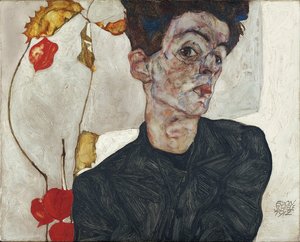
Egon Schiele
1890 - 1918 , Áustria
Dados Rápidos
- Artistic Movement Or Style: Expressionismo
- Artists Or Movements Influenced By This Artist: ['Viennese Secession']
- Artists Who Influenced This Artist: ['Gustav Klimt']
- Date Of Birth: 1890
- Full Name: Egon Schiele
- Nationality: Austríaco
- Notable Artworks:
- Autorretratos nus
- Retratos
- Paisagens
- Place Of Birth: Tulln, Áustria
Artigos Relacionados

The Enduring Allure of the Nude: A Historical & Artistic Exploration of the Human Form
Explore the captivating history of nude art! Discover iconic paintings & artists from classical to modern eras. Uncover symbolism, techniques & find museum-quality reproductions at AllPaintingsStore.
Paul Cézanne: As 25 Obras-Primas que Definiram um Gênio da Arte Moderna | AllPaintingsStore
Descubra as 25 obras-primas de Paul Cézanne, o mestre do pós-impressionismo! Explore a história, técnica e cores vibrantes por trás de quadros icônicos como 'Les Baigneurs' e 'Mont Sainte-Victoire'. Encontre reproduções de arte exclusivas para decorar sua casa com elegância em AllPaintingsStore.com.

Kazimir Malevich: As 25 Obras-Primas Essenciais da Arte Abstrata | AllPaintingsStore
Descubra as 25 obras-primas de Kazimir Malevich, pioneiro do suprematismo e da arte abstrata. Explore a história por trás de 'Black Square' e outras pinturas icônicas. Encontre reproduções de alta qualidade para transformar sua casa com AllPaintingsStore.com!

As 10 Pinturas Mais Famosas Dominadas pelo Preto: Arte, História e Decoração
Descubra as 10 pinturas mais icônicas dominadas pelo preto! Explore a história, técnica e emoção por trás de obras-primas do Romantismo, Realismo e Expressionismo. Encontre reproduções de arte exclusivas na AllPaintingsStore.com.

Os 10 Quadros Mais Famosos Dominados pelo Branco: Arte e Decoração
Descubra os 10 quadros mais famosos dominados pelo branco, de Monet a Kandinsky! Explore a história da arte, técnicas e o poder da paleta neutra. Encontre reproduções de alta qualidade para sua decoração em AllPaintingsStore.com.


