Garantia de Reembolso · 100 dias Entrega gratuita para todo o mundo
449.564obras de arte 30.613artistas 4.660museus 32idiomas
Catalogue entry

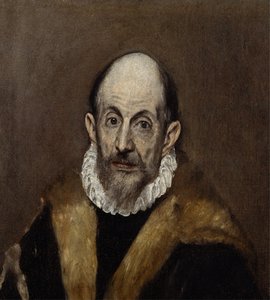
A Prelate

1601. Acrylic On Canvas, 107.0 x 90.0 cm.

Fig. 1. El Greco, A Prelate, 1601. Shown as the reproduction you are specifying: , .

§ 1Catalogue data

Dimensões
107.0 x 90.0 cm

§ 2Abstract

Descrição do Item

Biografia do Artista

Explore a obra-prima de El Greco: 'São Francisco Recebendo as Estigmas'. Uma intensa representação da fé, sofrimento e graça divina em uma pintura icônica do século XVI.

§ 3Commentary

A Prelate: An Exploration of Mannerist Drama and Spiritual Reflection

Doménikos Theotokópoulos, universally known as El Greco – “the Greek” – stands apart from his contemporaries as a painter whose artistic vision transcended the conventions of his time. Born in Crete around 1541, amidst the turbulent currents of Venetian rule, El Greco embarked on an extraordinary journey that propelled him through Venice and Rome before establishing himself definitively in Toledo, Spain—a city steeped in religious fervor and serving as the crucible for his most profound artistic achievements. He wasn’t merely responding to stylistic trends; he fundamentally reshaped them, forging a style that foreshadowed the expressive power of Expressionism and anticipating the fragmented forms characteristic of Cubism centuries later. His formative years spent studying Byzantine iconography instilled within him an unwavering dedication to meticulous detail and a deep understanding of religious symbolism—a foundation that would nevertheless liberate him from rigid artistic constraints. He famously signed his canvases in Greek, appending “Krḗs” – Cretan – as a defiant assertion of his heritage, even as he embraced new artistic horizons. The genesis of El Greco’s distinctive aesthetic resided in the interplay between Byzantine tradition and Renaissance innovation, resulting in an oeuvre that remains perpetually captivating.
  • Subject Matter: This portrait depicts a prelate—likely a high-ranking ecclesiastical official—seated at a table with an open book. The deliberate positioning underscores themes of intellect, piety, and authority, reflecting the societal values prevalent during El Greco’s era.
  • Style & Technique: El Greco's artistic approach embodies Mannerism, a stylistic movement that prioritized dramatic lighting, elongated figures, and expressive brushwork. He achieved this effect through layering paint with visible strokes, creating a textured surface that conveys both physicality and spiritual depth.
The artist’s masterful manipulation of chiaroscuro—the stark contrast between light and shadow—is particularly noteworthy. A single, dominant light source illuminates the prelate's face and hands, casting much of the background into darkness. This technique serves not merely to sculpt form but also to imbue the image with an emotional intensity that transcends mere representation. The elongated figures characteristic of El Greco’s style contribute to a sense of otherworldly grandeur, elevating the subject beyond the mundane concerns of earthly existence. Furthermore, the artist's deliberate use of diagonal lines—evident in the posture and gaze of the prelate—creates dynamism and visual interest, mirroring the turbulent spiritual landscape of his time.
  • Color Palette: Doménikos employed a muted color palette dominated by blacks, browns, and creams. The bold juxtaposition between the black robe and white collar highlights the figure’s solemn dignity while emphasizing the flesh tones of his face—a subtle yet impactful element of visual storytelling.
  • Composition & Perspective: The composition adheres to a three-quarter pose, maximizing detail in the subject's facial expression and upper body. Distortion of perspective—a hallmark of Mannerist art—further enhances the painting’s dramatic impact, creating an illusion of depth that contributes to its ethereal quality.
Beyond its formal elements, “A Prelate” resonates with profound symbolic significance. The open book serves as a potent emblem of knowledge and enlightenment, representing the prelate's intellectual pursuits and spiritual devotion. His stern countenance conveys seriousness and contemplation—a reflection of the moral responsibilities inherent in his position. Ultimately, El Greco’s masterpiece invites viewers to contemplate questions of faith, intellect, and human dignity—themes that continue to inspire artistic interpretation and emotional engagement today. Its enduring appeal testifies to the artist's unparalleled ability to capture not just likeness but also essence—a testament to the transformative power of art itself. Discover El Greco’s ‘A Prelate,’ a captivating portrait at AllPaintingsStore.com – explore high-quality reproductions and immerse yourself in the artistic legacy of this visionary painter.

Perguntas e Respostas

Quais são as dimensões de "A Prelate", de El Greco na vida real?

A obra original "A Prelate", de El Greco mede 107 x 90 cm.

Para que tipo de uso é recomendada uma reprodução de "A Prelate", de El Greco?

Uma reprodução de "A Prelate", de El Greco é recomendada para Accent. Esta sugestão decorre do tema, da atmosfera e das cores da obra.

De que forma o estilo de "A Prelate" se relaciona com a época de seu criador?

Em "A Prelate", de El Greco, o movimento Mannerist Style encontra a era Renascimento.
§ 4The artist

El Greco

El Greco

1541 - 1614, Grécia

Quick facts about El Greco

  • Artistic Movement Or Style: Mannerismo e Barroco
  • Artists Who Influenced This Artist:
    • Titian
    • Tintoretto
  • Date Of Birth: 1541
  • Full Name: Doménikos Theotokópoulos
  • Nationality: Grega
  • Notable Artworks:
    • Burial of the Count of Orgaz
    • View of Toledo
    • El Espolio
    • Saint Sebastian
  • Place Of Birth: Crete, Greece

Biografia do Artista

Doménikos Theotokópoulos, called El Greco

Doménikos Theotokópoulos, universally known as El Greco – “the Greek” – stands as one of the most enigmatic and influential figures in Western art history. Born around 1541 in Crete, then under Venetian rule, his artistic journey transcended geographical boundaries and stylistic conventions, establishing him as a pioneer whose vision anticipated movements like Expressionism and Cubism centuries later. More than just a painter, El Greco was a sculptor and architect who embodied the spirit of his time—a testament to faith, innovation, and an unwavering pursuit of artistic truth.

Early Training and Cretan Roots

El Greco’s formative years were steeped in Byzantine tradition. Crete, at that time a bastion of Orthodox Christianity, nurtured a rich artistic heritage characterized by meticulous detail, symbolic imagery, and profound spiritual contemplation. He received his initial training within this environment, mastering the techniques of icon painting—a craft demanding unwavering precision and an understanding of theological concepts. This foundational knowledge would profoundly shape his subsequent artistic endeavors, informing his approach to composition, color palette, and expressive gesture. The influence of Byzantine art is palpable in his early works, particularly *Saint Titus*, where the drapery folds are rendered with astonishing realism and imbued with a sense of solemn dignity—a hallmark of Cretan painting during the Renaissance.

Venetian Exposure: Embracing Innovation

Around 1567, El Greco embarked on a transformative voyage to Venice, Italy’s artistic epicenter at the time. This relocation marked a pivotal moment in his artistic development, exposing him to the groundbreaking innovations championed by Titian, Tintoretto, and Veronese—masters who had revolutionized painting with their mastery of color, perspective, and dramatic lighting. He eagerly absorbed their techniques, experimenting with looser brushwork and embracing the sensual qualities of oil paint—a departure from the more restrained mediums favored in Crete. The Venetian influence is vividly apparent in *Saint Sebastian*, painted shortly after his arrival, where anatomical accuracy blends seamlessly with theatrical chiaroscuro—creating a scene brimming with emotional intensity. This encounter with Venetian art propelled him toward a bolder stylistic vision, one that would ultimately define his legacy.

Roman Aspirations and Mannerist Influence

El Greco’s ambition extended beyond Venice; he sought recognition in Rome, the heart of the Renaissance and papal patronage. Despite facing considerable competition within the Roman art world—a realm dominated by established artists and conservative tastes—he persevered, honing his skills and producing a series of works that showcased his talent for capturing psychological nuance and conveying profound emotion. However, El Greco struggled to gain widespread acclaim in Rome, finding it difficult to secure commissions from influential patrons. Nevertheless, he absorbed the stylistic precepts of Mannerism—a movement characterized by elongated figures, distorted perspectives, and stylized compositions—further enriching his artistic repertoire. This exposure to Mannerist aesthetics contributed to the distinctive elongation of his figures and the unsettling grandeur of his canvases—elements that would become synonymous with El Greco’s style.

Toledo: Spiritual Synthesis and Artistic Zenith

In 1577, El Greco established himself in Toledo, Spain—a city steeped in religious fervor during the Counter- Reformation and renowned for its magnificent cathedral and monastic institutions. This relocation proved to be instrumental in achieving his artistic zenith, providing him with a supportive environment and fostering collaborations with prominent patrons who recognized his singular genius. It was here that he produced his most celebrated paintings—works imbued with an unparalleled blend of Byzantine tradition, Venetian innovation, and Mannerist refinement. *The Burial of the Count of Orgaz*, considered El Greco’s masterpiece, exemplifies this synthesis perfectly—a monumental composition featuring elongated figures bathed in ethereal light, conveying a sense of spiritual transcendence that captivated audiences throughout Europe. His Toledo paintings stand as enduring symbols of faith, artistic ambition, and the transformative power of creative vision—solidifying his place among the greatest artists of all time.

§ 5Comparanda

§ 6Questions

Informações Rápidas

  • Medium: Oil on Canvas
  • Notable elements or techniques: Dramatic lighting, elongated figures
  • Influences: Byzantine Art
  • Movement: Mannerism
  • Artistic style: Expressive brushwork
  • Year: 1601

§ 7Cite this entry

AllPaintingsStore.com, “El Greco, A Prelate (1601)”, https://allpaintingsstore.com/pt/art/el-greco-a-prelate-8YDQ2M-en/ArtistReproduction/ (accessed 5 Outubro 2026).

§ 8The reproduction

Reprodução em Óleo Feita à Mão

Óleo sobre tela pintado à mão no tamanho e moldura de sua escolha, feito sob encomenda pelos nossos artistas. ( Alternar para Impressão Alternar para Imagem Digital)

It is specified on the order sheet in the margin; the present state of that sheet reads as follows.

A Prelate

Técnica de Reprodução

Tamanho da Reprodução

-

Artista Sênior de Elite

Mais detalhes, refinamento e tempo de produção adicional

-

Moldura para Reprodução

-

-

Para obras de arte ou reproduções com mais de 105 cm (aproximadamente 41 polegadas) em qualquer um dos lados, a moldura será enviada como um kit desmontado. Este método garante uma entrega segura e evita danos durante o transporte.

Montagem profissional necessária — este não é um produto DIY (faça você mesmo).
O kit deve ser montado e a tela esticada por um profissional de molduraria experiente, utilizando cola de madeira (não inclusa), um alicate de esticar tela e grampos para manter as travessas alinhadas enquanto a cola seca. A montagem incorreta ou a tensão desigual da tela podem danificar permanentemente a obra de arte e não estão cobertas pela nossa garantia.

  • Todas as barras de madeira maciça estão incluídas, precisamente cortadas ao tamanho certo.

  • Montado com os parafusos fornecidos, além de cola para madeira para as junções dos cantos, que não está inclusa e deve ser providenciada pelo seu moldurista.

  • São necessárias ferramentas profissionais não incluídas: um alicate de estiramento de tela (esticador) e grampos para manter as ripas alinhadas enquanto a cola seca.

Importante:
As junções dos cantos requerem cola para madeira, as ripas devem ser mantidas com grampos até que a cola esteja completamente seca, e o estiramento da tela na moldura montada requer um alicate de esticar tela. Nenhum destes itens está incluído no kit. Por favor, certifique-se de contar com um profissional de molduraria experiente antes de encomendar este tamanho.

Etiqueta de identificação

-

-

Verniz de Proteção

Verniz brilhante (realça as cores e protege contra a luz e a umidade)

-

Personalizar minha obra

Exemplos de alterações possíveis: Substituir o rosto por uma foto do cliente; Adicionar um animal de estimação (ex.: substituir gato por cachorro); Incluir uma mensagem oculta no fundo; Alterar a paisagem ou os elementos do fundo.

-

Urgente

Entrega mundial () em 3 a 4 semanas, em vez das 5 semanas padrão. (3 Novembro). Sem comprometer a qualidade.

-

Envio Expresso

Entrega mundial para em 5 semanas. (10 Novembro).

Com envio incluído

Preço Total

€ 229

Included with every order

  • Envio expresso gratuito para todo o mundo
  • Tela de Linho de Alta Qualidade
  • Seguro de transporte completo
  • Garantia de Reembolso de Impostos Alfandegários
  • Garantia de Fidelidade Cromática
  • Política de Devolução em 100 Dias (Apenas para Defeitos)
  • Garantia de reembolso de 100%
  • Oferta de desconto por quantidade
Order sheet