


 Visualizar em escala
 Enviar
 Compartilhar
 Ver detalhes
 Guia
Guia

 Baixar imagem
 Semelhantes
 Raio X
 Apresentação de slides
 Estatísticas
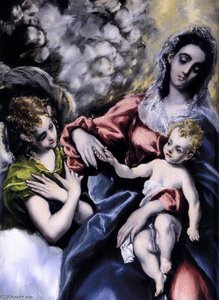
The Holy Family
 Oil On Canvas
- WallArt
- Baroque Mannerism
 1585
1585- Renaissance
 106.0 x 87.0 cm
 Hispanic Society Museum - Library
 Ver mais
Reprodução em Óleo Feita à Mão
Óleo sobre tela pintado à mão no tamanho e moldura de sua escolha, feito sob encomenda pelos nossos artistas. ( Alternar para Impressão Ver Imagem Digital)




P118B $10

P118H $10

P118W $10

P438Z $10

P508JH $12

P508YH $12

P805H $10

P805Z $10

P919BZ $10

P919G $10

P919XJ $10

P959ZH $10

P968JZ $12

W106C $8

W218G $10

W218JH $8

W218Y $10

W307PJ $10

W316G $10

W316PJ $8

W316Y $10

W398PJ $8

W4111J $10

W500HY $15

W500JH $15

W692G $12

W849H $8

W940BG $15

W953PJ $8




Escolha entre os nossos tamanhos pré-definidos que respeitam as proporções originais da obra de arte.

Pode inserir as suas próprias dimensões para se adequar a uma moldura ou espaço específico. Se o tamanho selecionado não corresponder às proporções da imagem original, iremos cortar a obra de arte ou estender a pintura com elementos adicionais pintados à mão. Um esboço digital será enviado para sua aprovação antes do início da produção.
Tenha em atenção que a pré-visualização no ecrã não reflete o corte ou extensão real. Apenas o esboço mostrará com precisão a composição final.
Embora tamanhos personalizados estejam disponíveis, recomendamos selecionar uma dimensão da lista predefinida para preservar as proporções originais.
Após o pedido, a equipa AllPaintingsStore.com enviará um e-mail ao cliente para solicitar instruções e fornecer uma prévia do esboço.
Entrega mundial () em 3 a 4 semanas, em vez das 5 semanas padrão. (21 Setembro). Sem comprometer a qualidade.

Envio expresso gratuito para todo o mundo

Tela de Linho Premium

Seguro de transporte total

Garantia de Reembolso de Impostos Alfandegários

Garantia de Fidelidade de Cor

Política de Devolução em 100 Dias (Apenas para Defeitos)

Garantia de reembolso de 100%

Desconto para múltiplas unidades
 A opção de vidro está disponível apenas para tamanhos inferiores a 110 cm

The Holy Family
Técnica de Reprodução
Dimensões da Reprodução
-


Preço Total
$ 258
The Profound Intimacy of El Greco’s “The Holy Family”
Doménikos Theotokópoulos, universally known as El Greco – “the Greek” – stands as one of the most singularly compelling figures in art history. Born in Crete in 1541 and ultimately finding his artistic voice in Toledo, Spain, he forged a style that defied easy categorization, anticipating elements of Expressionism and Cubism centuries before their formal emergence. His work isn’t merely representation; it's an intensely felt exploration of faith, emotion, and the human condition. “The Holy Family,” painted around 1585, exemplifies this powerfully – a deeply personal meditation on family, divinity, and the tender bond between mother and child. This oil-on-canvas masterpiece, now housed in The Hispanic Society of America in New York City, offers a glimpse into El Greco’s unique vision and his masterful manipulation of color, form, and symbolism.A Synthesis of Byzantine Tradition and Western Innovation
El Greco's artistic journey was marked by a fascinating synthesis of influences. His early training within the rigorous traditions of post-Byzantine art instilled in him an unparalleled attention to detail, a deep understanding of religious iconography, and a meticulous approach to composition. However, he wasn’t content to remain confined within these established boundaries. His travels through Venice and Rome exposed him to the burgeoning Renaissance – particularly the Venetian school's vibrant use of color and dramatic lighting – as well as the Mannerist style with its elongated figures and distorted perspectives. This confluence of influences resulted in a distinctly El Greco aesthetic: elongated, almost impossibly graceful figures set within dynamic compositions filled with intense emotion. “The Holy Family” is a prime example; it’s not simply a depiction of Mary, Jesus, and Joseph but an embodiment of their spiritual connection rendered through his signature style.Symbolism Woven into the Fabric of the Scene
Beyond its immediate visual appeal, "The Holy Family" is rich in symbolic meaning. The central figures – Mary holding her infant Jesus – are presented with a profound intimacy rarely seen in religious art of the period. Mary’s pose, cradling her son, immediately evokes nurturing and protection. Crucially, she wears a crown, an element that elevates her status to something beyond mere motherhood; it subtly suggests divinity, hinting at her role as the Theotokos – “God-bearer.” The figure standing behind them, often interpreted as Joseph, is rendered with a quiet dignity, observing the sacred moment with gentle attentiveness. The positioning of all three figures within the composition creates a sense of movement and dynamism, drawing the viewer into their shared experience. The use of contrasting colors—the warm hues of Mary’s garments against the cooler tones of Jesus—further emphasizes the emotional intensity of the scene.El Greco's Dramatic Style and Toledo’s Influence
El Greco’s distinctive style is immediately recognizable through his elongated figures, vibrant pigmentation, and masterful use of contrast. He employed a technique known as “tenebrism,” utilizing strong contrasts between light and shadow to heighten the drama and emotional impact of the scene. This approach was partly encouraged by the Catholic Church in the 16th century, seeking to counter the perceived simplicity of Protestant art with more emotionally charged imagery. His choice of Toledo as his artistic home also played a significant role. The city’s history—a crossroads of cultures and religions—and its dramatic light and shadow created an ideal environment for El Greco's expressive style. The backdrop of Toledo, visible in the painting, adds to this atmosphere of intensity and spiritual depth. The muted colors of the cityscape, punctuated by the bright hues of the family’s clothing, create a powerful visual contrast that underscores the sacredness of the scene.A Legacy That Resonates Through the Ages
“The Holy Family” is more than just a beautiful painting; it's a testament to El Greco’s artistic genius and his profound understanding of human emotion. His work, initially met with puzzlement by his contemporaries, gained increasing appreciation in the 20th century, ultimately being recognized as a precursor to Expressionism and Cubism. Poets and writers like Rainer Maria Rilke and Nikos Kazantzakis were deeply moved by El Greco’s expressive power, finding inspiration in his ability to convey intense emotion through distorted forms and vibrant colors. Today, “The Holy Family” remains a significant work within El Greco's oeuvre, offering viewers a powerful glimpse into the artist’s unique vision and enduring legacy. For those seeking to experience this masterpiece firsthand or explore other works by El Greco, we invite you to visit AllPaintingsStore.com, where high-quality reproductions are available.Obras Relacionadas




Biografia do Artista
Doménikos Theotokópoulos, called El Greco
Doménikos Theotokópoulos, universally known as El Greco – “the Greek” – stands as one of the most enigmatic and influential figures in Western art history. Born around 1541 in Crete, then under Venetian rule, his artistic journey transcended geographical boundaries and stylistic conventions, establishing him as a pioneer whose vision anticipated movements like Expressionism and Cubism centuries later. More than just a painter, El Greco was a sculptor and architect who embodied the spirit of his time—a testament to faith, innovation, and an unwavering pursuit of artistic truth.Early Training and Cretan Roots
El Greco’s formative years were steeped in Byzantine tradition. Crete, at that time a bastion of Orthodox Christianity, nurtured a rich artistic heritage characterized by meticulous detail, symbolic imagery, and profound spiritual contemplation. He received his initial training within this environment, mastering the techniques of icon painting—a craft demanding unwavering precision and an understanding of theological concepts. This foundational knowledge would profoundly shape his subsequent artistic endeavors, informing his approach to composition, color palette, and expressive gesture. The influence of Byzantine art is palpable in his early works, particularly *Saint Titus*, where the drapery folds are rendered with astonishing realism and imbued with a sense of solemn dignity—a hallmark of Cretan painting during the Renaissance.Venetian Exposure: Embracing Innovation
Around 1567, El Greco embarked on a transformative voyage to Venice, Italy’s artistic epicenter at the time. This relocation marked a pivotal moment in his artistic development, exposing him to the groundbreaking innovations championed by Titian, Tintoretto, and Veronese—masters who had revolutionized painting with their mastery of color, perspective, and dramatic lighting. He eagerly absorbed their techniques, experimenting with looser brushwork and embracing the sensual qualities of oil paint—a departure from the more restrained mediums favored in Crete. The Venetian influence is vividly apparent in *Saint Sebastian*, painted shortly after his arrival, where anatomical accuracy blends seamlessly with theatrical chiaroscuro—creating a scene brimming with emotional intensity. This encounter with Venetian art propelled him toward a bolder stylistic vision, one that would ultimately define his legacy.Roman Aspirations and Mannerist Influence
El Greco’s ambition extended beyond Venice; he sought recognition in Rome, the heart of the Renaissance and papal patronage. Despite facing considerable competition within the Roman art world—a realm dominated by established artists and conservative tastes—he persevered, honing his skills and producing a series of works that showcased his talent for capturing psychological nuance and conveying profound emotion. However, El Greco struggled to gain widespread acclaim in Rome, finding it difficult to secure commissions from influential patrons. Nevertheless, he absorbed the stylistic precepts of Mannerism—a movement characterized by elongated figures, distorted perspectives, and stylized compositions—further enriching his artistic repertoire. This exposure to Mannerist aesthetics contributed to the distinctive elongation of his figures and the unsettling grandeur of his canvases—elements that would become synonymous with El Greco’s style.Toledo: Spiritual Synthesis and Artistic Zenith
In 1577, El Greco established himself in Toledo, Spain—a city steeped in religious fervor during the Counter- Reformation and renowned for its magnificent cathedral and monastic institutions. This relocation proved to be instrumental in achieving his artistic zenith, providing him with a supportive environment and fostering collaborations with prominent patrons who recognized his singular genius. It was here that he produced his most celebrated paintings—works imbued with an unparalleled blend of Byzantine tradition, Venetian innovation, and Mannerist refinement. *The Burial of the Count of Orgaz*, considered El Greco’s masterpiece, exemplifies this synthesis perfectly—a monumental composition featuring elongated figures bathed in ethereal light, conveying a sense of spiritual transcendence that captivated audiences throughout Europe. His Toledo paintings stand as enduring symbols of faith, artistic ambition, and the transformative power of creative vision—solidifying his place among the greatest artists of all time.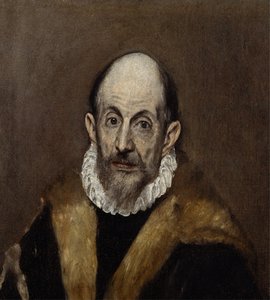
El Greco
1541 - 1614 , Grécia
Informações Rápidas
- Artistic Movement Or Style: Mannerismo e Barroco
- Artists Who Influenced This Artist:
- Titian
- Tintoretto
- Date Of Birth: 1541
- Full Name: Doménikos Theotokópoulos
- Nationality: Grega
- Notable Artworks:
- Burial of the Count of Orgaz
- View of Toledo
- El Espolio
- Saint Sebastian
- Place Of Birth: Crete, Greece
Artigos Relacionados

Turn Family Photos into Masterpiece Oil Portraits: The Art of Timeless Legacy
Transform cherished family memories into timeless legacies with bespoke, hand-painted oil portraits. Our master artists reimagine your photos as museum-quality masterpieces, offering unparalleled craftsmanship and elegance for the discerning collector.


