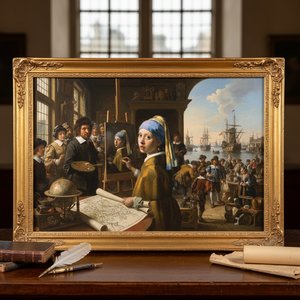
1656. Oil On Canvas. Rijksmuseum.

§ 1Catalogue data


§ 2Abstract
Descrição do Item
Experience Ferdinand Bol's 'The Intrepid Fabritius'! This Baroque masterpiece features an elephant and intriguing figures, capturing the drama of 17th-century Amsterdam. Hand-painted reproductions available.
 Ler mais
Biografia do Artista
Ferdinand Bol (1616-1680) foi um pintor barroco holandês profundamente influenciado por Rembrandt. Reconhecido por cenas históricas marcantes e retratos elegantes, ele destacou-se como artista em Amsterdã. Explore suas obras excepcionais e descubra a beleza da arte dourada!
§ 3Commentary
The Enigmatic Fabritius: A Baroque Tableau of Intrigue
Ferdinand Bol’s “The Intrepid Fabritius” (1656) is not merely a historical scene; it's a meticulously constructed drama, a vibrant snapshot of power, diplomacy, and the unsettling presence of the exotic. Often overshadowed by the towering figures of Rembrandt and Vermeer, Bol emerges as a master of nuanced storytelling within the opulent framework of the Dutch Golden Age. This painting, housed in the Rijksmuseum in Amsterdam, immediately captivates with its dense composition – a teeming throng of men, each rendered with remarkable detail, engaged in a complex exchange that hints at hidden agendas and simmering tensions.
Bol’s style is distinctly Baroque, characterized by dramatic lighting, dynamic movement, and an emphasis on theatricality. He skillfully employs *chiaroscuro*, the stark contrast between light and shadow, to draw the viewer's eye across the scene, highlighting key figures and creating a sense of depth. The figures are not simply portraits; they’re carefully posed actors in a larger narrative, their gestures and expressions conveying a wealth of unspoken meaning. Notice how Bol uses color – rich reds, deep blues, and earthy browns – to establish hierarchy and mood, reinforcing the painting's overall dramatic effect.
A Roman Consul Amidst Exotic Intrigue
The central figure, Gaius Fabritius Luscinus, a prominent Roman consul or burgomaster of Amsterdam, stands as the focal point. He’s depicted in a commanding pose, adorned with a feathered helmet and a richly embroidered mantle – symbols of his authority and status. However, his expression is not one of triumphant victory; rather, it suggests cautious deliberation, perhaps even apprehension. The elephant, a striking and incongruous element within the scene, immediately draws attention. Its presence isn’t simply decorative; it serves as a potent symbol of foreign power, wealth, and the exotic allure of the East – a deliberate contrast to the familiar setting of Amsterdam.
Bol's research into historical accuracy is evident in the details of the costumes and settings. The figures are dressed in elaborate period attire, reflecting the fashion of 17th-century Rome and the Netherlands. The inclusion of the elephant, a rare sight in Dutch art at this time, underscores the importance of diplomacy and trade with Eastern nations. It’s a visual reminder of the Republic's engagement with distant lands and its reliance on exotic goods.
Symbolism and Emotional Resonance
Beyond the literal depiction of a diplomatic meeting, “The Intrepid Fabritius” is laden with symbolic meaning. The elephant itself can be interpreted as representing both power and danger – a reminder that even the most established figures are vulnerable to unexpected challenges. The nervous reactions of the surrounding men—the fleeing soldier, the cowering children—suggest a sense of unease and uncertainty about the outcome of the negotiations. Bol masterfully captures the psychological tension inherent in such encounters.
Furthermore, the painting’s composition mirrors the structure of a Roman oration – a carefully constructed argument designed to persuade an audience. The figures are arranged in a pyramidal formation, with Fabritius at its apex, directing the gaze and controlling the narrative. This deliberate arrangement reinforces his authority and underscores the importance of his message.
A Reproduction for Your Space
AllPaintingsStore offers meticulously crafted hand-painted reproductions of “The Intrepid Fabritius,” allowing you to bring this captivating Baroque masterpiece into your home or office. Our skilled artists replicate Bol’s masterful use of light, color, and detail with exceptional accuracy, ensuring that your reproduction captures the painting's original drama and emotional impact. Whether you are an art enthusiast, a collector, or simply seeking a stunning piece of décor, our reproductions provide a beautiful and authentic way to experience the genius of Ferdinand Bol. Explore our collection today and discover the perfect addition to your space – a testament to the enduring power of visual storytelling.
Perguntas e Respostas
A que fase da carreira de Ferdinand Bol pertence "The Intrepid Fabritius" (1656)?
A data de 1656 situa "The Intrepid Fabritius" no Late Period do desenvolvimento de Ferdinand Bol.
Como posso visualizar uma reprodução de "The Intrepid Fabritius", de Ferdinand Bol?
Para visualizar uma reprodução de "The Intrepid Fabritius", de Ferdinand Bol, acesse a página de Pré-visualização da obra.
Como posso visualizar "The Intrepid Fabritius", de Ferdinand Bol em formato de apresentação de slides?
O diaporama de "The Intrepid Fabritius" pode ser visualizado na página Apresentação de imagens da obra.

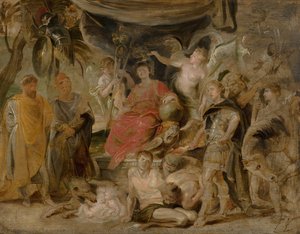


 Alternar para Impressão


 Para obras de arte ou reproduções com mais de 105 cm (aproximadamente 41 polegadas) em qualquer um dos lados, a moldura será enviada como um kit desmontado. Este método garante uma entrega segura e evita danos durante o transporte.