


 Visualizar em escala
 Enviar
 Compartilhar
 Ver detalhes
 Guia
Guia

 Baixar imagem
 Semelhantes
 Raio X
 Apresentação de slides
 Estatísticas
Tyman Oosdorp
 Oil On Canvas
- WallArt
- Baroque Period
 1656
1656 89.0 x 70.0 cm
 Museus Estatais de Berlim
 Ver mais
Reprodução em Óleo Feita à Mão
Óleo sobre tela pintado à mão no tamanho e moldura de sua escolha, feito sob encomenda pelos nossos artistas. ( Alternar para Impressão Ver Imagem Digital)




P118B $10

P118H $10

P118W $10

P438Z $10

P508JH $12

P508YH $12

P805H $10

P805Z $10

P919BZ $10

P919G $10

P919XJ $10

P959ZH $10

P968JZ $12

W106C $8

W218G $10

W218JH $8

W218Y $10

W307PJ $10

W316G $10

W316PJ $8

W316Y $10

W398PJ $8

W4111J $10

W500HY $15

W500JH $15

W692G $12

W849H $8

W940BG $15

W953PJ $8




Escolha entre os nossos tamanhos pré-definidos que respeitam as proporções originais da obra de arte.

Pode inserir as suas próprias dimensões para se adequar a uma moldura ou espaço específico. Se o tamanho selecionado não corresponder às proporções da imagem original, iremos cortar a obra de arte ou estender a pintura com elementos adicionais pintados à mão. Um esboço digital será enviado para sua aprovação antes do início da produção.
Tenha em atenção que a pré-visualização no ecrã não reflete o corte ou extensão real. Apenas o esboço mostrará com precisão a composição final.
Embora tamanhos personalizados estejam disponíveis, recomendamos selecionar uma dimensão da lista predefinida para preservar as proporções originais.
Após o pedido, a equipa AllPaintingsStore.com enviará um e-mail ao cliente para solicitar instruções e fornecer uma prévia do esboço.
Entrega mundial () em 3 a 4 semanas, em vez das 5 semanas padrão. (21 Setembro). Sem comprometer a qualidade.

Envio expresso gratuito para todo o mundo

Tela de Linho Premium

Seguro de transporte total

Garantia de Reembolso de Impostos Alfandegários

Garantia de Fidelidade de Cor

Política de Devolução em 100 Dias (Apenas para Defeitos)

Garantia de reembolso de 100%

Desconto para múltiplas unidades
 A opção de vidro está disponível apenas para tamanhos inferiores a 110 cm

Tyman Oosdorp
Técnica de Reprodução
Dimensões da Reprodução
-


Preço Total
$ 258
A Portrait of Quiet Dignity: Frans Hals’s *Tyman Oosdorp*
Frans Hals's 1656 portrait of Tyman Oosdorp isn’t merely a likeness; it’s a carefully constructed tableau of status, character, and the subtle drama inherent in Dutch Golden Age society. Painted during a period of immense artistic flourishing, this work exemplifies Hals’s revolutionary approach to portraiture – one that prioritized psychological depth and immediacy over meticulous detail, capturing not just appearance but also the very essence of his subject.
The painting immediately draws the eye with its masterful use of chiaroscuro. A deep, enveloping darkness dominates the background, creating a stage-like effect that focuses all attention on Oosdorp himself. Light, strategically placed, sculpts his face and collar, highlighting the crisp white linen of his shirt and drawing our gaze to the intricate lace detail adorning his chest – a subtle yet potent symbol of wealth and social standing during the era. Hals’s brushwork is remarkably loose, almost impressionistic in its immediacy. Notice how he doesn't attempt to render every fiber of fabric or strand of hair with painstaking precision; instead, he employs rapid, confident strokes that convey texture and movement, lending a vibrant energy to the composition.
The Man and His World
Tyman Oosdorp himself remains somewhat enigmatic, yet Hals skillfully imbues him with an air of quiet dignity. The directness of his gaze – he meets the viewer’s eye with unwavering intensity – is profoundly engaging. It suggests a man of considerable self-assurance, perhaps even a touch of melancholy. Considering the period, Oosdorp likely held a position of some influence within Haarlem society, evidenced by the quality of his attire and the decorative elements surrounding him. The painting offers a glimpse into the lives of the prosperous merchant class that fueled the economic and cultural vitality of the Dutch Republic.
Hals’s choice to depict Oosdorp in three-quarter pose is significant. It allows for a more intimate connection with the subject, revealing not just his outward appearance but also subtle nuances of expression – a slight furrowing of the brow, a hint of contemplation in his eyes. This technique was a departure from the formal, frontal portraits favored by many of his contemporaries and contributed to Hals’s reputation as a remarkably perceptive artist.
A Baroque Masterpiece: Technique and Style
*Tyman Oosdorp* is firmly rooted in the Baroque period, though Hals developed a distinctly individual style that transcends strict categorization. His use of color is restrained yet impactful – primarily dark browns, blacks, and whites – creating a dramatic contrast that amplifies the sense of depth and volume. The layering of paint, achieved through multiple thin applications, contributes to the painting’s luminous quality. Hals's signature technique involved building up layers of translucent glazes, allowing light to penetrate and reflect off the surface, resulting in an almost shimmering effect.
The composition itself is carefully balanced, with Oosdorp positioned slightly off-center, creating a sense of visual equilibrium. The subtle gesture of his hand – partially visible at the lower right corner – adds a touch of human warmth and immediacy to the otherwise formal portrait. It’s a small detail that speaks volumes about Hals's ability to capture the essence of his subjects.
Symbolism and Emotional Resonance
Beyond its aesthetic qualities, *Tyman Oosdorp* is rich in symbolic meaning. The lace collar, as mentioned earlier, represents wealth and status, but it also suggests a certain refinement and elegance. The dark clothing could be interpreted as reflecting the seriousness of his position or perhaps hinting at a contemplative nature. The direct gaze invites us to engage with Oosdorp on a personal level, prompting reflection on our own perceptions of identity and self-presentation.
Ultimately, *Tyman Oosdorp* is more than just a portrait; it’s a window into the world of 17th-century Holland – a world of wealth, power, and artistic innovation. It's a testament to Frans Hals’s genius and his ability to capture not only the outward appearance but also the inner life of his subjects, leaving us with a lasting impression of quiet dignity and profound psychological insight.
Obras Relacionadas


Biografia do Artista
Frans Hals I: A Life in Paint
Frans Hals I was a Dutch painter born in Antwerp, Belgium, around 1580. Though his early life remains somewhat shrouded in mystery, he rose to become one of the most important figures of the Dutch Golden Age, celebrated for his innovative portraiture and genre scenes. His artistic legacy continues to inspire artists and captivate audiences centuries later.Early Life and Training
Details surrounding Hals’s formative years are scarce. It is believed he received initial artistic training in Antwerp, a prominent center for painting at the time. However, due to religious and political turmoil, his family relocated to Haarlem in the Netherlands. He became a member of the Haarlem Guild of St. Luke in 1610, marking the formal beginning of his professional career—a pivotal moment that secured him access to influential patrons and established him as a respected artist within the artistic community.Artistic Style and Development
Hals distinguished himself through a remarkably fresh and spontaneous style. Unlike many of his contemporaries who favored meticulous detail, Hals employed a loose and expressive brushstroke. This technique imbued his paintings with a sense of immediacy and vitality, capturing the personality and character of his subjects in a way that was revolutionary for its time. He wasn’t merely attempting to reproduce appearances; he sought to convey emotion and psychological insight—a characteristic that distinguishes him from many other painters of his era. His masterful use of light and shadow added depth and drama to his compositions, creating scenes brimming with atmosphere and capturing fleeting moments of human interaction.Notable Works
While Hals produced a wide range of works, he is best known for his portraits. Some of his most celebrated paintings include:- The Laughing Cavalier (1624) – This iconic portrait exemplifies Hals’s ability to capture character and movement with breathtaking realism. The subject's joyous expression—a subtle smirk—is rendered with remarkable precision, conveying a sense of confidence and amusement that transcends time.
- Malle Babbe (c. 1633-1635) – Hals’s depiction of an elderly woman is equally striking. He skillfully portrays age and vulnerability while simultaneously capturing the subject's inner life—a testament to his profound understanding of human psychology.
- Portraits of the Regents of the Old Men’s Home in Haarlem (1664) - Demonstrating Hals’ mastery of group portraiture, these canvases showcase a remarkable feat of artistic skill. He captured the dignity and solemnity of the elderly residents with sensitivity and nuance, creating images that resonate with compassion and respect.
Beyond portraits, Hals created compelling genre scenes—depictions of everyday life—that offered glimpses into Dutch society during his lifetime. These works reveal a keen observation of human behavior and an ability to convey atmosphere and emotion with remarkable effectiveness.
Influences and Legacy
Determining Hals’s direct influences is challenging, as he developed a highly individual style. However, it's likely he was aware of the work of earlier Flemish painters like Pieter Bruegel the Elder—particularly his depictions of peasant life—who championed a naturalistic approach to art. His innovative technique profoundly impacted subsequent generations of artists. He influenced figures such as Adriaen Brouwer and Johannes Vermeer, who adopted Hals’s looser brushwork and focus on capturing light and atmosphere. Furthermore, Hals's legacy extends beyond the immediate artistic circle; his emphasis on portraying personality paved the way for more intimate and psychological portraits in later centuries—a testament to his enduring influence on Western art history.Today, Hals’s paintings are housed in major museums worldwide, including the Frans Hals Museum in Haarlem, which holds the largest collection of his work—a remarkable achievement that ensures his artistic vision continues to inspire admiration and scholarly study.

Frans Hals
1580 - 1585 , Bélgica
Informações Rápidas
- Artistic Movement Or Style: Século de Ouro Holandês
- Artists Or Movements Influenced By This Artist:
- Adriaen Brouwer
- Johannes Vermeer
- Artists Who Influenced This Artist: ['Pieter Bruegel o Velho']
- Date Of Birth: c. 1582
- Date Of Death: 1666
- Full Name: Frans Hals I
- Nationality: Holandês
- Notable Artworks:
- O Cavalheiro Rindo
- Malle Babbe
- Retratos dos Regentes do Lar Idoso
- Place Of Birth: Antwerp, Belgium
Artigos Relacionados
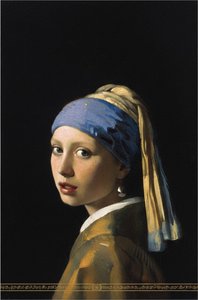
A Era de Ouro Holandesa: 10 Mestras-Obras Imperdíveis para Decorar com Arte
Descubra as 10 obras-primas da Era de Ouro Holandesa! Explore a história, técnica e beleza atemporal de Rembrandt, Vermeer e outros mestres. Encontre reproduções de arte exclusivas para decorar sua casa com elegância em AllPaintingsStore.com.

Golden Light & Dutch Skies: The Timeless Magic of Dutch Golden Age Landscapes
Discover the breathtaking beauty of Dutch Golden Age landscapes. Explore the mastery of light, chiaroscuro, and 17th-century realism through an expert art history lens, celebrating the enduring legacy of the Dutch Masters for discerning collectors and art lovers.

Illuminating Innovation: Exploring the Dutch Golden Age of Painting
Explore the Dutch Golden Age of painting with AllPaintingsStore. Discover Rembrandt, Vermeer & other Masters. Learn about key characteristics, iconic artworks, and lasting influence. Expert insights for collectors & enthusiasts.

Frans Hals I: Innovation, Intimacy & the Dutch Golden Age Portrait
Explore the revolutionary portraiture of Frans Hals I, a master of the Dutch Golden Age. Discover his innovative techniques, captivating character studies & lasting impact on art history. Learn more at AllPaintingsStore.

Mastering Light & Shadow: A Journey Through the Dutch Golden Age's Luminous Legacy
Embark on a cultural journey through the Dutch Golden Age. Explore the masterful interplay of light and shadow in 17th-century masterpieces, from Rembrandt to Vermeer, and discover how this era of profound realism continues to inspire fine art collectors today.


