


 Visualizar em escala
 Enviar
 Compartilhar
 Ver detalhes
 Guia de Obras do Aluno

 Baixar imagem
 Semelhantes
 Raio X
 Apresentação de slides
 Estatísticas
Bodegón


 Ver mais
Reprodução em Óleo Feita à Mão
Óleo sobre tela pintado à mão no tamanho e moldura de sua escolha, feito sob encomenda pelos nossos artistas. ( Alternar para Impressão Ver Imagem Digital)




P118B €10

P118H €10

P118W €10

P438Z €10

P508JH €12

P508YH €12

P805H €10

P805Z €10

P919BZ €10

P919G €10

P919XJ €10

P959ZH €10

P968JZ €12

W106C €8

W218G €10

W218JH €8

W218Y €10

W307PJ €10

W316G €10

W316PJ €8

W316Y €10

W398PJ €8

W4111J €10

W500HY €15

W500JH €15

W692G €12

W849H €8

W940BG €15

W953PJ €8




Escolha entre os nossos tamanhos pré-definidos que respeitam as proporções originais da obra de arte.

Digite a largura e a altura de que necessita, para se ajustar à sua moldura ou à sua parede. Esta obra é pintada à mão, por isso, para um tamanho com uma proporção diferente, o artista pode pintar um pouco mais ao redor da imagem ou cortar um pouco — você escolhe. Enviamos-lhe uma maquete digital para aprovação antes de a pintura começar. A imagem exibida nesta página não mostra o resultado real — apenas a maquete mostra.
Após o pedido, a equipa AllPaintingsStore.com enviará um e-mail ao cliente para solicitar instruções e fornecer uma prévia do esboço.
Entrega mundial () em 3 a 4 semanas, em vez das 5 semanas padrão. (22 Outubro). Sem comprometer a qualidade.

Envio expresso gratuito para todo o mundo

Tela de Linho Premium

Seguro de transporte total

Garantia de Reembolso de Impostos Alfandegários

Garantia de Fidelidade de Cor

Política de Devolução em 100 Dias (Apenas para Defeitos)

Garantia de reembolso de 100%

Desconto para múltiplas unidades
 A opção de vidro está disponível apenas para tamanhos inferiores a 110 cm

Bodegón
Técnica de Reprodução
Dimensões da Reprodução
-


Preço Total
€ 225
Bodegón: A Stillness Charged with Life
Frida Kahlo, uma artista sinônimo de auto retrato incisivo e da vibrante tapeçaria da identidade mexicana, surpreende muitos com suas incursões na pintura de natureza morta. *Bodegón*, uma obra frequentemente eclipsada por suas peças biográficas mais famosas, revela um lado diferente da sensibilidade artística de Kahlo – um profundamente enraizado na tradição, mas sutilmente infundido em suas inclinações surrealistas. A composição centra-se numa robusta abóbora, atuando como ponto de apoio para a organização circulares dos restantes elementos: maçãs, oranges e bananas são cuidadosamente posicionadas, criando uma corrente visual que atrai o olhar para dentro. Uma jarra ocupa o canto superior esquerdo, adicionando um contraste delicado ao peso terroso da produção agrícola. Esta não é apenas uma representação de objetos; é uma organização meticulosa do mundo repleta de potencial simbólico.A Linguagem dos Objetos: Simbolismo na Pintura de Kahlo
Para compreender *Bodegón*, é preciso considerar o contexto cultural e a iconografia pessoal de Kahlo. Embora aparentemente simples, a escolha das frutas e vegetais não é arbitrária. A própria abóbora, símbolo pré-colombiano da fertilidade e abundância, assume uma ressonância adicional quando vista através da lente das próprias lutas físicas de Kahlo e da sua incapacidade de ter filhos. As maçãs e oranges, frequentemente associadas à tentação e conhecimento na história da arte ocidental, são colocadas em contraste com as bananas – uma fruta menos tradicionalmente carregada de simbolismo, mas talvez representando exotismo ou prazer fugaz. A jarra, recipiente para água vital, aponta para temas de nutrição e sustento. A organização deliberada não é acidental; fala numa interação complexa entre vida, morte, desejo e perda – temas que permeiam toda a obra de Kahlo. O caráter ligeiramente inquietante da composição, a maneira como os objetos parecem estar presentes e estranhamente desligados, sugere uma profunda reflexão sobre o estado humano e as forças invisíveis que moldam nossa experiência do mundo.Estilo e Técnica: Uma Abordagem Tradicional com Toques Surrealistas
Kahlo empregou uma abordagem tradicional à pintura de natureza morta, caracterizada por linhas precisas e cores suaves, buscando capturar a beleza da luz e sombra sobre os objetos escolhidos. No entanto, como é comum em sua obra, ela incorporou elementos surrealistas, criando imagens que desafiam a lógica convencional e exploram o reino do inconsciente. Esta mistura de estilos demonstra uma compreensão profunda das técnicas tradicionais e uma capacidade excepcional para transmitir emoções e ideias complexas através da linguagem visual. Os detalhes minuciosos na pintura refletem um olhar atento à natureza e uma habilidade técnica impressionante, que permite aos espectadores apreciar a beleza estética e o significado simbólico da obra.Contexto Histórico: Uma Voz Feminista em Tempos de Mudança
*Bodegón* foi pintado em 1951, durante um período significativo na vida artística de Frida Kahlo – após seu casamento com Diego Rivera e antes de sua morte prematura. Esta obra reflete o espírito da época, marcada por movimentos culturais e políticos que buscavam desafiar normas tradicionais e promover valores humanos universais. Kahlo utilizou a pintura como meio de expressão pessoal e política, abordando temas como identidade feminina, corpo feminino e relações interpessoais com uma honestidade brutal e uma sensibilidade extraordinária. Sua obra permanece relevante hoje em dia, inspirando artistas e estudiosos em todo o mundo e contribuindo para uma compreensão mais profunda da história da arte e da cultura mexicana.Impacto Emocional: Uma Reflexão Sobre a Beleza e a Fragilidade
Mais do que apenas uma reprodução de objetos cotidianos, *Bodegón* convida o espectador à contemplação e à reflexão sobre questões existenciais fundamentais. A obra transmite uma sensação de calma e serenidade, mas também carrega consigo uma carga emocional profunda – uma expressão da beleza efêmera da vida e da fragilidade humana diante das forças do destino. Kahlo conseguiu capturar essa dualidade estética e emocional com maestria, criando uma imagem que permanece viva na memória do observador e o provoca a considerar aspectos importantes da experiência humana. Uma obra para apreciar e sentir profundamente.Perguntas e Respostas
Qual é o tom emocional de "Bodegón" de Frida Kahlo?
"Bodegón" está associada a um sentimento Reflexivo. O tom emocional descreve a impressão que a obra transmite.
Qual ambiente combina com as cores de "Bodegón" de Frida Kahlo?
Considerando as suas cores Tons escuros, "Bodegón" é sugerida para um(a) Sala de Estar.
Onde posso baixar "Bodegón" de Frida Kahlo?
Um download está disponível para "Bodegón": a página de Baixar da obra oferece download de imagem digital em alta resolução.
Obras Relacionadas


Biografia do Artista
A Life Forged in Pain and Passion
Magdalena Carmen Frida Kahlo y Calderón, known to the world simply as Frida Kahlo, was more than an artist; she was a force of nature, a defiant spirit whose life became inextricably woven into her art. Born on July 6, 1907, in Coyoacán, Mexico City, her existence was marked by physical suffering and emotional turbulence, experiences that would ultimately fuel the intensely personal and symbolic imagery for which she is celebrated. Her father, Guillermo Kahlo, a German-Mexican photographer, fostered her intellectual curiosity and artistic inclinations from an early age. However, Frida’s childhood was shadowed by illness; at six years old, she contracted polio, leaving her with a permanent limp and impacting her physical development. This early encounter with vulnerability and limitation would become a recurring theme in her work, shaping her perspective on the body, pain, and resilience.
The Shattered Body, The Blossoming Art
In 1925, at the tender age of eighteen, Frida’s life irrevocably changed. A horrific bus accident left her with catastrophic injuries – fractures to her spine, pelvis, and leg, among others. Confined to a lengthy period of recovery, often bedridden and encased in plaster casts, she turned inward, finding solace and expression through painting. Her mother provided an easel adapted for use while lying down, transforming the confines of her physical limitations into a space for artistic exploration. It was during this time that Frida began to explore self-portraiture with relentless intensity. Unable to venture out into the world, she turned her gaze inward, meticulously documenting her own image as a means of understanding and confronting her pain, both physical and emotional. These early works were not merely representations of her likeness; they were visceral explorations of identity, vulnerability, and the enduring power of the human spirit. The accident wasn’t simply a tragedy; it was a catalyst that unlocked her artistic potential, forcing her to confront her own mortality and find meaning in suffering.
A Tumultuous Union and Artistic Flourishing
Frida's life took another pivotal turn in 1929 when she married the renowned Mexican muralist Diego Rivera. Their relationship was a passionate but tempestuous affair, marked by intense love, infidelity, artistic rivalry, and periods of separation and reconciliation. Despite the emotional turmoil, Rivera proved to be a significant influence on Frida’s artistic development. He encouraged her unique vision, offering constructive criticism while recognizing the raw power and originality of her work. Under his guidance, and through her own relentless experimentation, Frida's style began to coalesce, blending elements of Mexican folk art, realism, and surrealism into a distinctive visual language. Her paintings became increasingly symbolic, exploring themes of identity, the human body, pain, death, and the complexities of female experience. She didn’t shy away from depicting her own suffering; instead, she embraced it as a central theme in her work, transforming personal trauma into universal statements about the human condition.
Symbols of Suffering, Resilience, and Identity
Frida Kahlo is perhaps best known for her self-portraits, which are characterized by their unflinching honesty and symbolic depth. Works like The Two Fridas (1939), a powerful depiction of her dual identity following her divorce from Rivera, showcase her ability to externalize internal conflict through striking visual metaphors. Self-Portrait with Thorn Necklace and Hummingbird (1940) is laden with symbolism – the thorns representing pain, the hummingbird symbolizing hope and resilience, and the black cat a harbinger of bad luck. The Broken Column (1944), a harrowing portrayal of her physical suffering, depicts Frida’s torso split open to reveal a crumbling Ionic column in place of her spine, held together by straps and pierced with nails. Even Henry Ford Hospital (1932), a raw and deeply personal depiction of her miscarriage, demonstrates her willingness to confront taboo subjects with unflinching honesty. These paintings are not merely representations of pain; they are acts of defiance, assertions of selfhood in the face of adversity.
A Lasting Legacy
Frida Kahlo’s influence extends far beyond the realm of art. She was a cultural icon who challenged traditional gender roles and societal expectations through her life and work. Her embrace of Mexican culture and identity helped to elevate its profile on the international stage, and her unflinching portrayal of pain resonated with audiences worldwide, making her a symbol of resilience and strength. She became an important figure for Chicanos in the United States, representing their cultural heritage and struggles. Though she resisted being categorized as a Surrealist, her work shares affinities with the movement’s exploration of the subconscious and dreamlike imagery. Today, Frida Kahlo is celebrated as one of the most important artists of the 20th century, whose legacy continues to inspire generations to embrace their identities, confront adversity, and express themselves authentically. Her art remains a testament to the enduring power of the human spirit to find beauty and meaning even in the darkest of times.
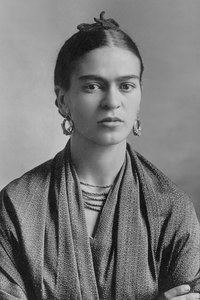
Frida Kahlo
1907 - 1954 , México
Informações Rápidas
- Artistic Movement Or Style: Surrealismo, Folk art
- Artists Or Movements Influenced By This Artist: ['Chicano art']
- Artists Who Influenced This Artist:
- Diego Rivera
- Mexican folk artists
- Date Of Birth: 6 julho 1907
- Date Of Death: 13 julho 1954
- Full Name: Magdalena Carmen Frida Kahlo y Calderón
- Nationality: Mexicana
- Notable Artworks:
- As Duas Fridas
- Flor da Vida
- Henry Ford Hospital
- Place Of Birth: Cidade do México, México
Artigos Relacionados

Vibrant Colors & Deep Soul: A Journey Through the Emotional Landscapes of Iconic Mexican Art
Embark on a visual journey through the vibrant colors and profound symbolism of iconic Mexican art. Explore the emotional depth of Frida Kahlo and other masters through our expert cultural analysis and premium hand-painted reproductions.


