


 Visualizar em escala
 Enviar
 Compartilhar
 Ver detalhes
 Guia de Obras do Aluno

 Baixar imagem
 Semelhantes
 Raio X
 Apresentação de slides
 Estatísticas
Flower study


 Ver mais
A obra de arte exibida nesta página é protegida por leis de direitos autorais, o que significa que não podemos criar ou vender legalmente uma reprodução idêntica. Esta proteção é aplicada por meio de acordos internacionais, tais como a Convenção de Berna e pelas leis nacionais, incluindo as estabelecidas por Lei de Direitos Autorais dos EUA - Título 17.
Este método cumpre plenamente as regulamentações de direitos autorais, pois não envolve a cópia ou duplicação da obra protegida. Em vez disso, trata-se de uma reinterpretação criativa — uma nova pintura que é influenciada pela original, mas não idêntica a ela.
Giclée / Impressão de Arte
Impressão giclée ou em tela de qualidade de museu, com produção rápida e opções flexíveis de acabamento. ( Encomendar reprodução pintada à mão Ver Imagem Digital)




P118B €10

P118H €10

P118W €10

P438Z €10

P508JH €12

P508YH €12

P805H €10

P805Z €10

P919BZ €10

P919G €10

P919XJ €10

P959ZH €10

P968JZ €12

W106C €8

W218G €10

W218JH €8

W218Y €10

W307PJ €10

W316G €10

W316PJ €8

W316Y €10

W398PJ €8

W4111J €10

W500HY €15

W500JH €15

W692G €12

W849H €8

W940BG €15

W953PJ €8




Escolha entre os nossos tamanhos pré-definidos que respeitam as proporções originais da obra de arte.

Digite a largura e a altura de que necessita, para se ajustar à sua moldura ou à sua parede. Uma impressão só pode ser cortada, nunca ampliada além da imagem original, pelo que um tamanho com uma proporção diferente perderá parte da imagem. Enviamos-lhe uma maquete digital para aprovação antes de imprimirmos qualquer coisa. A imagem apresentada nesta página não mostra o corte real — apenas a maquete o faz.
Entrega mundial () em 2 semanas, em vez das 4/5 semanas padrão. (24 Outubro)

Envio expresso gratuito para todo o mundo

Tela de Linho Premium

Seguro de transporte total

Garantia de Reembolso de Impostos Alfandegários

Garantia de Fidelidade de Cor

Política de Devolução em 100 Dias (Apenas para Defeitos)

Garantia de reembolso de 100%

Desconto para múltiplas unidades
 A opção de vidro está disponível apenas para tamanhos inferiores a 110 cm

Flower study
Giclée / Impressão de Arte
Dimensões da Reprodução
-


Preço Total
€ 56
A Moment of Botanical Stillness: Georges Braque’s Flower Study
Georges Braque's "Flower Study," created in 1909, offers a captivating glimpse into the artist’s evolving approach to form and color during a pivotal moment in modern art. This deceptively simple black-and-white drawing—a piece often overlooked amidst his more celebrated Cubist works—reveals a quiet intensity and a profound engagement with the natural world. It's not merely a depiction of flowers; it’s an exploration of their essence, rendered through a masterful manipulation of line and shadow. The image presents a lily, its petals elegantly unfurling, positioned within a vase at the drawing’s upper left – a grounding element that anchors the composition. Scattered around are other blooms, some sharply defined, others softened by the artist's hand, creating an impression of depth and spatial ambiguity characteristic of Braque’s early explorations.
The Roots of Innovation: Braque’s Early Years and Artistic Influences
Born in Argenteuil, France, in 1882, Georges Braque's artistic journey began not with grand pronouncements of revolutionary style but with a deeply ingrained understanding of craft. His father was a house painter and decorator, providing him with an invaluable appreciation for materials, structure, and the subtle nuances of light and shadow – skills that would later inform his groundbreaking approach to Cubism. Initially following in his family’s trade, Braque's artistic spirit quickly asserted itself, leading him to formal training at the École des Beaux-Arts in Le Havre. This rigorous academic foundation, combined with his practical experience, proved crucial as he began to dismantle traditional notions of perspective and representation. His early years were marked by a close collaboration with Pablo Picasso, a relationship that profoundly shaped both artists’ development, particularly during their shared exploration of Cubism – a movement where the illusion of three-dimensionality was deliberately fractured.
Greige and Geometry: A Palette of Subtle Power
The monochromatic nature of "Flower Study" is key to its impact. Braque frequently employed what he termed “greige”—a sophisticated blend of gray and beige—as his primary palette during this period, a deliberate choice that prioritized form and structure over vibrant color. This restrained approach allowed him to focus on the underlying geometry of the flowers and their arrangement within the vase. Notice how the petals are broken down into fragmented planes, suggesting multiple viewpoints simultaneously – a hallmark of Cubist principles. The careful rendering of texture, achieved through subtle variations in line weight and shading, adds a remarkable sense of realism despite the absence of color. The drawing’s overall effect is one of quiet contemplation, inviting the viewer to consider the flower not as a single object but as a collection of intersecting shapes and planes.
Symbolism and Emotional Resonance: A Quiet Beauty
While often associated with radical abstraction, Braque’s early work retains a strong connection to the natural world. Flowers, in this context, represent beauty, fragility, and the cyclical nature of life – themes that resonated deeply within the artistic circles of Paris at the turn of the 20th century. The arrangement itself—the lily as a central focus, surrounded by other blooms—suggests an appreciation for harmony and balance. The drawing’s inherent stillness evokes a sense of peace and introspection, offering a moment of respite from the bustling energy of Parisian life. “Flower Study” is not simply a botanical illustration; it's a testament to Braque’s ability to capture the essence of beauty through careful observation and masterful technique – a quiet masterpiece that speaks volumes about the artist’s evolving vision.
Consider acquiring a high-quality reproduction of this evocative work. AllPaintingsStore offers meticulously crafted reproductions, ensuring you can bring the subtle nuances and profound beauty of Braque's "Flower Study" into your home or studio. Explore the artwork here.
Perguntas e Respostas
Como "Flower study" de Georges Braque conecta Cubist Botanical ao país de origem do artista?
"Flower study" conecta o movimento Cubist Botanical com França por meio do local de nascimento de seu criador.
Posso ver "Flower study" de Georges Braque na minha própria parede antes de comprar?
A página de Visualização em RA de "Flower study" de Georges Braque utiliza realidade aumentada para mostrar a obra em seu próprio espaço, em um dispositivo compatível.
Qual é o nível de popularidade de "Flower study" dentro do Cubist Botanical?
"Flower study" é classificada como Recognized entre as obras do Cubist Botanical no catálogo.
Obras Relacionadas


Biografia do Artista
Early Life and Artistic Foundations
Georges Braque, nascido em Argenteuil, França, em 1882, embarcou em um caminho profundamente entrelaçado com a evolução do cenário artístico moderno. Sua criação dentro de uma família de pintores e decoradores de casas lhe infundiu não apenas uma maestria técnica dos materiais, mas também uma apreciação precoce pela forma e estrutura. Embora inicialmente seguisse os passos de seu pai no mesmo ofício, as inatas inclinações artísticas de Braque logo o levaram a um treinamento formal na École des Beaux-Arts em Le Havre, marcando o início de sua jornada para se tornar um dos pintores mais influentes do século XX. Essa base—uma combinação de artesanato prático e estudo acadêmico—se provou crucial ao longo de seu posterior trabalho em deconstruir e reimaginar as convenções artísticas tradicionais.
Em 1902, Braque se mudou para Paris, continuando seus estudos na Académie Humbert, imergindo-se no vibrante ambiente artístico da cidade. Foi aqui que ele encontrou artistas como Marie Laurencin e Francis Picabia, forjando conexões que moldariam seu desenvolvimento inicial. Suas primeiras obras refletiam as influências predominantes do Impressionismo e Pós-Impressionismo, mas um encontro crucial com as cores ousadas e a liberdade expressiva do Fauvismo em 1905 acendeu uma nova direção em sua exploração artística.
The Embrace of Fauvism and the Dawn of Cubism
A adoção de princípios Fauvistas por Braque—caracterizada por cores intensas, não naturalísticas e expressão emocional—é vividamente exemplificada em pinturas como The Patience. Este período viu-o trabalhando ao lado de artistas como Henri Matisse e André Derain, experimentando com paletas vibrantes e formas simplificadas. No entanto, o envolvimento de Braque com o Fauvismo não era meramente imitativo; ele infundiu-o com uma sensibilidade única, temperando a exuberância descontrolada do movimento com uma abordagem mais restrita e analítica.
Um ponto de virada chegou em 1907 com sua exposição à retrospectiva da obra de Paul Cézanne. A ênfase de Cézanne na forma geométrica e nas múltiplas perspectivas impactou profundamente Braque, preparando o cenário para sua colaboração revolucionária com Pablo Picasso. Começando em 1908, esses dois titãs artísticos embarcaram em um período de intenso intercâmbio intelectual que daria origem ao Cubismo—um movimento revolucionário que abalou as noções tradicionais de representação.
Juntos, Braque e Picasso desenvolveram o Cubismo Analítico, desmembrando objetos em formas geométricas fragmentadas e apresentando múltiplas perspectivas simultaneamente. Obras como Houses at L'Estaque demonstram esta fase inicial, mostrando uma ruptura radical com a perspectiva convencional e um foco na estrutura subjacente das formas. Sua paleta se tornou deliberadamente acinzentada, enfatizando a forma sobre a cor, à medida que buscavam representar a totalidade da presença de um objeto em vez de apenas sua aparência.
Innovation Through Fragmentation and Collage
A parceria entre Braque e Picasso continuou a expandir os limites da expressão artística, levando ao desenvolvimento do Cubismo Sintético por volta de 1912. Esta fase viu a introdução do *papier collé*—a incorporação de materiais do mundo real, como recortes de jornais, papel de parede e tecido, em pinturas. Esta inovação desafiou a hierarquia tradicional entre pintura e escultura, borrando as linhas entre arte e vida.
O uso pioneiro de *papier collé* por Braque marcou um ponto de virada significativo em sua evolução artística. Ao integrar fragmentos de objetos cotidianos em suas composições, ele interrompeu o espaço ilusório tradicional da pintura e introduziu um novo nível de materialidade e textura. Esta técnica não apenas expandiu as possibilidades formais da arte, mas também refletiu um crescente interesse na relação entre representação e realidade.
Later Years and Enduring Legacy
Após a guerra, o estilo de Braque evoluiu além das rígidas limitações do Cubismo, incorporando elementos da composição clássica e um renovado interesse pela natureza morta. Embora mantivesse as influências geométricas que haviam definido seu trabalho anterior, ele desenvolveu uma abordagem mais sutil e contemplativa à pintura. Suas paisagens e interiores posteriores são caracterizadas por sua atmosfera serena e harmonias sutis de cor.
Ao longo de sua carreira, Braque permaneceu comprometido em explorar os princípios fundamentais da forma, espaço e representação. Continuou a experimentar com diferentes materiais e técnicas, expandindo as fronteiras da expressão artística até sua morte em 1963. Sua influência nas gerações posteriores de artistas é imensurável, moldando o curso da arte moderna e inspirando inúmeros pintores, escultores e colagistas.
O legado de Georges Braque transcende suas obras individuais; ele alterou fundamentalmente nossa compreensão de como percebemos e representamos o mundo ao nosso redor. Sua colaboração com Picasso, combinada com sua própria visão artística única, selou seu lugar como um verdadeiro pioneiro da arte moderna—um mestre que ousou desafiar as convenções e redefinir as possibilidades da pintura.
Influences and Notable Works
- Influenced By: Henri Matisse, André Derain, Paul Cézanne
- Key Works: Houses at L'Estaque, The Patience, Violin and Palette, Mandola
- Impact on Art History: Revolutionized 20th-century art through Cubism; challenged traditional notions of perspective and representation.
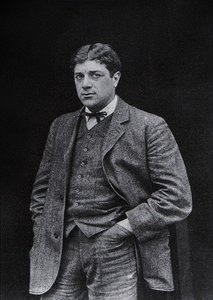
Georges Braque
1882 - 1963 , França
Informações Rápidas
- Artistic Movement Or Style: Cubismo, Fauvismo
- Artists Or Movements Influenced By This Artist: ['Pablo Picasso']
- Artists Who Influenced This Artist:
- Henri Matisse
- André Derain
- Date Of Birth: 13 de maio de 1882
- Date Of Death: 31 de agosto de 1963
- Full Name: Georges Braque
- Nationality: Francês
- Notable Artworks:
- Casas em L'Estaque
- A Paciência
- Place Of Birth: Argenteuil, França
Artigos Relacionados

Synthetic Cubism Explained: A Professional Guide to Texture, Collage, and Geometric Abstraction for Modern Interior Design
Master the use of Synthetic Cubism in modern hospitality design. Our expert guide explores texture, collage, and geometric abstraction to help designers source premium, large-scale oil reproductions for hotels and corporate spaces with professional reliability.


