


 Visualizar em escala
 Enviar
 Compartilhar
 Ver detalhes

 Baixar
 Semelhantes
 Raio X
 Apresentação de slides
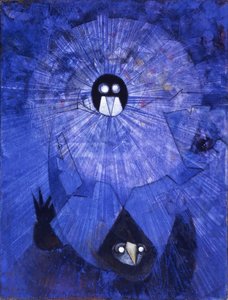
Expressionistische Landschaft
 Ver mais
Giclée / Impressão de Arte
Impressão giclée ou em tela de qualidade de museu, com produção rápida e opções flexíveis de acabamento. ( Encomendar reprodução pintada à mão Comprar imagem em alta resolução)




































Escolha entre os nossos tamanhos pré-definidos que respeitam as proporções originais da obra de arte.

Você pode inserir suas próprias dimensões para se ajustar a uma moldura ou espaço específico. Se o tamanho selecionado não corresponder às proporções da imagem original, iremos recortar a obra de arte ou estender a imagem com uma borda espelhada ou preenchimento sólido. Um mockup digital será enviado para sua aprovação antes do início da produção.
Por favor, observe que a visualização na tela não reflete o recorte ou a extensão real. Apenas o mockup mostrará com precisão a composição final.
Embora tamanhos personalizados estejam disponíveis, recomendamos selecionar uma dimensão da lista predefinida para preservar as proporções originais.
Entrega mundial () em 2 semanas, em vez das 4/5 semanas padrão. (20 Agosto)

Envio Expresso Gratuito para todo o Mundo

Tela de Linho Premium

Seguro de transporte total

Garantia de Reembolso de Impostos Alfandegários

Garantia de Fidelidade de Cor

Política de Devolução de 60 Dias (Apenas para Defeitos)

Garantia de reembolso de 100%

Desconto para múltiplas unidades
 A opção de vidro está disponível apenas para tamanhos inferiores a 110 cm

Expressionistische Landschaft
Giclée / Impressão de Arte
Dimensões da Reprodução
-


Preço Total
$ 64
Obras Relacionadas




Biografia do Artista
Hermann Scherer: Life and Legacy
Early Life and Training
Hermann Scherer was born in Rümpingen, Baden-Württemberg, Germany, in 1893. He began his artistic journey not with a brush, but with stone. After leaving school in 1907, he undertook an apprenticeship as a stonemason at the Schwab workshop in Lörrach. This foundational training would profoundly influence his later sculptural work and understanding of form.
Sculptural Beginnings & Artistic Development
From 1910 to 1919, Scherer honed his skills working with a series of Basel sculptors – Carl Gutknecht, Otto Roos, and Carl Burckhardt. Working as a laborer and later an assistant for Roos allowed him to establish a small workshop of his own. This period was crucial in developing his technical abilities and artistic vision. In 1919, Scherer underwent a significant shift, rejecting much of his earlier work and embracing a more contemporary approach to art.
Influences & Expressionist Exploration
The early 1920s marked a period of intense artistic exploration for Scherer. He was deeply influenced by the German painters Erich Heckel, Ernst Ludwig Kirchner, and Karl Schmidt-Rottluff. A visit to an exhibition of Edvard Munch’s work in Zurich further ignited his passion for Expressionism. He forged a close relationship with Kirchner, traveling to Davos for extended painting trips from 1922 to 1924.
The Rot-Blau Group & Public Reaction
In late 1924, Scherer co-founded the artist group Rot-Blau (Red-Blue) with Albert Müller and Paul Camenisch, later joined by Werner Neuhaus. Their debut exhibition at the Basler Kunstverein in 1925 provoked a strong public reaction; some works were deemed offensive in both Basel and Zurich. Despite this controversy, Rot-Blau became an important force in Swiss Expressionism.
Later Years & Legacy
Although his friendship with Kirchner cooled in 1925, their shared commitment to Expressionism remained. Kirchner continued to support the Rot-Blau group, showcasing their work at an international art exhibition in Dresden in 1926. Sadly, Scherer’s career was cut short by illness. He became seriously ill in autumn 1926 and died in Basel on May 13, 1927.
Major Achievements & Historical Significance
- A posthumous exhibition at the Kunsthalle Basel in 1927 showcased over 200 of his works.
- The Dreiländermuseum in Lörrach holds a significant collection of Scherer’s art, including woodcuts and the “Portrait of Otto Staiger.”
- Streets and bridges in Rümpingen are named in his honor.
- His sculpture "Das kleine Mädchen" ("The Little Girl") was acquired by the Pfalzgalerie Kaiserslautern for over 140,000 euros in 2004.
Hermann Scherer’s work represents a vital contribution to Swiss Expressionism. His bold use of color, emotive subject matter, and innovative approach to both painting and sculpture continue to resonate with audiences today. He remains a notable figure in the history of 20th-century art.

Hermann Scherer
1893 - 1927 , Germany
Informações Rápidas
- Birth Date: 1893
- Birth Place: Rümpingen, Germany
- Death Date: 1927-05-13
- Influenced:
- Albert Müller
- Paul Camenisch
- Werner Neuhaus
- Influenced By:
- Erich Heckel
- Ernst Ludwig Kirchner
- Karl Schmidt-Rottluff
- Edvard Munch
- Movement: Expressionism
- Name: Hermann Scherer
- Nationality: Swiss
- Notable Works:
- Expressionistische Landschaft
- Tessiner Landschaft
- Das kleine Mädchen


