


 Visualizar na parede
 Compartilhar
 Compartilhar
 Detalhes
 Guia
Guia

 Baixar imagem
 Semelhantes
 Raio X
 Ver diaporama
 Q&A
Q&A Estatísticas
Telemachus And Eucharis


 Ler mais
Giclée / Impressão de Arte
Impressão giclée ou em tela de qualidade de museu, com produção rápida e opções flexíveis de acabamento. ( Comprar pintura feita à mão Alternar para Imagem Digital)




P118B €10

P118H €10

P118W €10

P438Z €10

P508JH €12

P508YH €12

P805H €10

P805Z €10

P919BZ €10

P919G €10

P919XJ €10

P959ZH €10

P968JZ €12

W106C €8

W218G €10

W218JH €8

W218Y €10

W307PJ €10

W316G €10

W316PJ €8

W316Y €10

W398PJ €8

W4111J €10

W500HY €15

W500JH €15

W692G €12

W849H €8

W940BG €15

W953PJ €8




Escolha entre os nossos tamanhos pré-definidos que respeitam as proporções originais da obra de arte.

Insira a largura e a altura desejadas para se ajustarem à sua moldura ou parede. Uma impressão pode ser apenas cortada, nunca ampliada além da imagem original; portanto, um tamanho com proporções diferentes resultará na perda de parte da imagem. Enviamos uma maquete digital para sua aprovação antes de realizarmos a impressão. A imagem exibida nesta página não mostra o corte real — apenas a maquete o faz.
Entrega mundial () em 2 semanas, em vez das 4/5 semanas padrão. (31 Outubro)

Envio expresso gratuito para todo o mundo

Tela de Linho de Alta Qualidade

Seguro de transporte completo

Garantia de Reembolso de Impostos Alfandegários

Garantia de Fidelidade Cromática

Política de Devolução em 100 Dias (Apenas para Defeitos)

Garantia de reembolso de 100%

Oferta de desconto por quantidade
 A opção de vidro está disponível apenas para tamanhos inferiores a 110 cm

Telemachus And Eucharis
Giclée / Impressão de Arte
Tamanho da Reprodução
-


Preço Total
€ 57
A Portrait of Resolve Amidst Romantic Sentiment
Jacques-Louis David’s “The Farewell of Telemachus and Eucharis” stands as a testament to the Neoclassical movement's preoccupation with moral virtue and heroic ideals—a striking juxtaposition against the burgeoning passion of its subject matter. Painted circa 1784, this monumental canvas captures a poignant moment between Telemachus, son of Odysseus, and Eucharis, his beloved, embodying the spirit of reconciliation after a perilous journey. The painting resides within the Getty Center’s collection, offering visitors an unparalleled opportunity to experience David's masterful execution firsthand.- Subject Matter: The scene depicts Telemachus comforting Eucharis as he prepares to depart on his quest for news of his father’s return from Troy—a narrative drawn directly from Homer’s Odyssey. This retelling of the epic tale prioritized moral fortitude and duty over mere romantic indulgence, reflecting the broader artistic concerns of the era.
- Style: David adhered rigorously to Neoclassical principles, rejecting the frivolity of Rococo aesthetics in favor of clarity, restraint, and idealized forms reminiscent of ancient Greece and Rome. The composition is carefully balanced, emphasizing symmetry and geometric precision—elements designed to convey stability and grandeur.
- Technique: Executed with oil paints on canvas, David employed a meticulous layering technique known as sfumato, subtly blending colors to create soft transitions and atmospheric depth. This masterful manipulation of light contributes significantly to the painting’s emotional resonance, highlighting Telemachus's compassionate gaze and Eucharis’s serene acceptance of his impending absence.
Historical Context: The Enlightenment’s Moral Compass
“The Farewell” emerged during a period of profound intellectual transformation—the Enlightenment—where philosophers championed reason, virtue, and civic duty as guiding forces for human conduct. David's artistic choices mirrored these philosophical currents, aligning with the Royal Academy’s emphasis on portraying historical narratives imbued with moral significance. The painting served as a deliberate rebuke to Rococo decadence, asserting the supremacy of classical ideals in shaping artistic expression and societal values.Symbolism: Gesture and Emotion – Keys to Understanding
David skillfully utilizes gesture and facial expressions to convey Telemachus’s unwavering devotion to Eucharis—a palpable demonstration of paternal love amidst adversity. The positioning of the figures, with Telemachus supporting Eucharis's head, symbolizes protection and reassurance. Furthermore, David’s deliberate depiction of Eucharis’s calm countenance underscores the importance of inner fortitude in confronting life’s challenges—a theme central to Homeric heroism and resonating powerfully within the Neoclassical framework.Emotional Impact: A Moment Frozen in Time
Ultimately, “The Farewell” transcends mere visual representation; it evokes a profound emotional response in the viewer. The painting captures a tender yet solemn tableau—a poignant reminder of the enduring bonds between father and daughter, and the bittersweet acceptance inherent in parting ways. David’s masterful artistry ensures that this timeless scene continues to inspire contemplation on themes of love, duty, and resilience—solidifying its place as an iconic masterpiece of Neoclassical art.Perguntas e Respostas
"Telemachus And Eucharis", de Jacques-Louis David, está em domínio público? E por quê?
O status de direitos autorais de "Telemachus And Eucharis" - em domínio público — seus direitos autorais expiraram - decorre do falecimento do artista em 1800.
Posso examinar "Telemachus And Eucharis" com mais detalhes?
"Telemachus And Eucharis" pode ser examinado camada por camada na página Raio X da obra, um visualizador inspirado em uma mesa de luz de conservação com onze leituras ópticas da imagem.
Posso ver "Telemachus And Eucharis", de Jacques-Louis David na minha própria parede antes de comprar?
A página de Prévia em RA de "Telemachus And Eucharis", de Jacques-Louis David utiliza realidade aumentada para mostrar a obra em seu próprio espaço, através de um dispositivo compatível.
Obras Relacionadas


Biografia do Artista
A Brushstroke Across Revolution: The Life and Art of Jacques-Louis David
Jacques-Louis David, born in Paris in 1748, was more than just a painter; he was a visual chronicler of an era defined by upheaval, idealism, and the relentless pursuit of new orders. His life mirrored the dramatic shifts unfolding across France – from the waning opulence of the Rococo to the austere clarity of Neoclassicism, and ultimately, through the tumultuous years of revolution and Napoleonic glory. A childhood marked by the early loss of his father and a facial impediment that initially hindered his speech seemed only to sharpen his observational skills and fuel an unwavering dedication to artistic mastery. Though initially apprenticed to François Boucher, David quickly found himself drawn to the more morally resonant work of Joseph-Marie Vien, whose emphasis on history painting and classical subjects resonated with a burgeoning sense of purpose within the young artist. His early attempts to win the prestigious Prix de Rome were fraught with frustration, yet these repeated setbacks only intensified his resolve, forging a relentless perfectionism that would characterize his entire career.The Birth of Neoclassical Drama
David’s artistic evolution wasn't merely a stylistic shift; it was a philosophical statement. He rejected the frivolous ornamentation and playful themes of the Rococo, embracing instead the clarity, order, and moral seriousness inherent in classical antiquity. This commitment was profoundly influenced by archaeological discoveries at Pompeii and Herculaneum, which unveiled a world of Roman art and architecture previously lost to time. These ruins ignited within him a profound respect for the rationalism and civic virtue of the ancient republic, inspiring a desire to emulate their ideals in his own work. His breakthrough came with “Oath of the Horatii” (1784), a painting that transcended mere artistic skill to become an emblem of civic virtue and patriotic sacrifice. The stark composition, dramatic lighting – carefully calculated to emphasize the figures’ musculature and emotional intensity – and precise draftsmanship were revolutionary, signaling a decisive break from the past. It wasn't simply *what* he painted but *how* – a deliberate construction designed to evoke powerful emotional responses and inspire contemplation on themes of duty, honor, and self-sacrifice. The figures are rendered with an almost sculptural quality, their bodies idealized according to classical principles, reflecting David’s deep study of Roman sculpture. This work didn't just announce a new style; it foreshadowed the ideological currents that would soon sweep across France.Revolution and Remembrance: Art as Political Weapon
As the French Revolution erupted in 1789, David was not merely an observer but an active participant. A fervent supporter of the revolutionary cause and a close associate of Maximilien Robespierre, he saw art as a powerful tool for shaping public opinion and immortalizing the ideals of the new republic. He believed that art could serve as a moral compass, guiding society towards virtue and justice. His paintings during this period became potent symbols of revolutionary martyrdom and republican fervor. Perhaps his most iconic work from this era is “The Death of Marat” (1793), a hauntingly realistic depiction of the assassinated journalist, transformed into a secular saint. The painting’s stark simplicity – the pale body, the makeshift desk, the poignant letter clutched in Marat's hand – elevates the scene to a level of profound emotional resonance. David deliberately chose this subject matter to honor the revolutionary hero and inspire further acts of sacrifice for the cause. He meticulously researched the event, relying on eyewitness accounts and seeking to capture the raw emotion of the moment with unflinching realism. “The Death of Marat” wasn’t just a portrait; it was a carefully constructed propaganda piece designed to galvanize support for the revolution.From Revolution to Empire: Serving Napoleon
The fall of Robespierre marked another turning point in David's career. With remarkable adaptability, he navigated the shifting political landscape and aligned himself with Napoleon Bonaparte, becoming the First Consul’s official court painter. This new patronage ushered in a period of grand-scale commissions designed to glorify Napoleon’s victories and achievements. “Napoleon Crossing the Alps” (1801-1805) is perhaps the most famous example – a masterful piece of propaganda that presents Napoleon as a heroic, almost mythical figure conquering both nature and adversity. The dramatic lighting, the dynamic composition, and the carefully chosen details all contribute to the image’s powerful effect. David skillfully employed classical motifs—the hero in a heroic pose, battling against the elements—to elevate Napoleon's status and associate him with the grandeur of antiquity. “The Coronation of Napoleon” (1807), an immense canvas capturing the opulence and grandeur of the imperial ceremony, further cemented David’s position as the preeminent artist of the Napoleonic era. During this time, his palette subtly shifted, incorporating warmer Venetian colors while maintaining the precision and clarity that defined his style.Exile, Legacy, and Enduring Influence
The Bourbon Restoration in 1814 brought renewed peril for David, whose association with the fallen Napoleon made him a target of persecution. He chose exile in Brussels in 1816, where he continued to paint and teach until his death on December 29, 1825. Despite facing hardship and political isolation, David remained committed to his art, producing works that reflected his evolving philosophical views. Even in exile, his influence remained profound. He trained numerous pupils, including Jean-Auguste-Dominique Ingres, who would become one of the most important neoclassical painters of the 19th century. David’s emphasis on draftsmanship, composition, and historical accuracy left an indelible mark on French art. *His legacy extends beyond mere imitation*; his expressive distortions of form and space even foreshadowed the innovations of later artists like Henri Matisse and Pablo Picasso. Jacques-Louis David was not simply a painter of his time; he *defined* it, capturing its spirit of revolution, ambition, and enduring ideals on canvas for generations to come.- Major Achievements: Established Neoclassicism as the dominant style in French painting.
- Historical Significance: Created iconic images that captured the spirit of the French Revolution and the Napoleonic era.
- Influence: Trained a generation of influential artists who carried on his legacy.
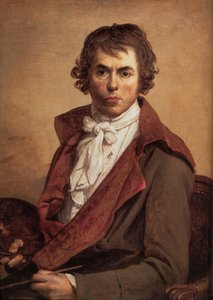
Jacques-Louis David
1748 - 1800 , França
Dados Rápidos
- Artistic Movement Or Style: Neoclassicismo
- Artists Or Movements Influenced By This Artist:
- Ingres
- Matisse
- Artists Who Influenced This Artist:
- Vien
- Rafael
- Date Of Birth: 30 de agosto de 1748
- Date Of Death: 29 de dezembro de 1825
- Full Name: Jacques-Louis David
- Nationality: Francês
- Notable Artworks:
- Juramento dos Horátios
- Morte de Marat
- Napoletano cruzando os Alpes
- Place Of Birth: Paris, França
Artigos Relacionados

25 Masterpieces of David Moreau: The Ultimate Guide to Textured Abstraction
Immerse yourself in the tactile world of David Moreau. Explore our curated selection of 25 iconic textured artworks, celebrating his mastery of impasto and light. Find museum-quality reproductions for your collection. Discover all masterpieces on AllPaintingsStore.com.

10 Iconic Neoclassicism Masterpieces That Changed Art History Forever
Journey through the elegance of Neoclassicism. Explore 10 iconic masterpieces, from Jacques-Louis David to timeless classics, and uncover the stories behind their legendary techniques. Find museum-quality art reproductions for your decor. Discover all masterpieces on AllPaintingsStore.com.

Timeless Modernity: The Top 25 Masterpiece Works by Jacques Villedieu
Experience the magic of Jacques Villedieu’s top 25 artworks. Explore a stunning fusion of modern life and classical mastery through premium art reproductions. From impressionist light to urban soul, find museum-quality inspiration for your decor. Discover all masterpieces on AllPaintingsStore.com.

10 Iconic Neoclassical Masterpieces That Changed Art History Forever
Journey through history with 10 iconic Neoclassical masterpieces. From Jacques-Louis David to Ingres, explore the stories behind these timeless works of art. Find museum-quality reproductions and elegant decor inspiration at AllPaintingsStore.com. Discover all masterpieces on AllPaintingsStore.com.


