


 Visualizar na parede
 Compartilhar
 Compartilhar
 Detalhes
 Guia
Guia

 Baixar imagem
 Semelhantes
 Raio X
 Ver diaporama
 Estatísticas
The Baths at Ostend

 Ler mais
Giclée / Impressão de Arte
Impressão giclée ou em tela de qualidade de museu, com produção rápida e opções flexíveis de acabamento. ( Comprar pintura feita à mão Alternar para Imagem Digital)




P118B €10

P118H €10

P118W €10

P438Z €10

P508JH €12

P508YH €12

P805H €10

P805Z €10

P919BZ €10

P919G €10

P919XJ €10

P959ZH €10

P968JZ €12

W106C €8

W218G €10

W218JH €8

W218Y €10

W307PJ €10

W316G €10

W316PJ €8

W316Y €10

W398PJ €8

W4111J €10

W500HY €15

W500JH €15

W692G €12

W849H €8

W940BG €15

W953PJ €8




Escolha entre os nossos tamanhos pré-definidos que respeitam as proporções originais da obra de arte.

Insira a largura e a altura desejadas para se ajustarem à sua moldura ou parede. Uma impressão pode ser apenas cortada, nunca ampliada além da imagem original; portanto, um tamanho com proporções diferentes resultará na perda de parte da imagem. Enviamos uma maquete digital para sua aprovação antes de realizarmos a impressão. A imagem exibida nesta página não mostra o corte real — apenas a maquete o faz.
Entrega mundial () em 2 semanas, em vez das 4/5 semanas padrão. (25 Outubro)

Envio expresso gratuito para todo o mundo

Tela de Linho de Alta Qualidade

Seguro de transporte completo

Garantia de Reembolso de Impostos Alfandegários

Garantia de Fidelidade Cromática

Política de Devolução em 100 Dias (Apenas para Defeitos)

Garantia de reembolso de 100%

Oferta de desconto por quantidade
 A opção de vidro está disponível apenas para tamanhos inferiores a 110 cm

The Baths at Ostend
Giclée / Impressão de Arte
Tamanho da Reprodução
-


Preço Total
€ 56
A Storm of Humanity: Unpacking James Ensor’s “The Baths at Ostend”
James Ensor's "The Baths at Ostend," painted in 1890, isn’t merely a depiction of a seaside scene; it’s a visceral plunge into the anxieties and complexities of modern life. This remarkable work, now available as a meticulously crafted hand-painted reproduction from AllPaintingsStore.com, stands as a cornerstone of Expressionism – a movement that dared to prioritize emotional truth over objective reality. Ensor, born in Ostend, Belgium, to an English father and Belgian mother, possessed a uniquely unsettling artistic vision, fueled by his childhood spent amidst the vibrant chaos of carnival and the bustling atmosphere of a seaside resort town. This duality profoundly shaped his work, particularly his fascination with masks, disguise, and the often-discomforting realities hidden beneath polite facades.
The painting immediately assaults the viewer with its frenetic energy. A dense throng of figures – swimmers, bathers, onlookers – are crammed together on a white sand beach, creating an overwhelming sense of claustrophobia. The composition isn’t concerned with traditional perspective; instead, Ensor employs a wide-angle view that exaggerates scale and intensifies the feeling of being swept up in a chaotic crowd. The dominant structure, resembling a bathhouse or changing room, anchors the left side of the canvas, while a distant horizon punctuated by clouds offers a meager suggestion of escape. This deliberate imbalance contributes to an underlying sense of unease – a feeling that the viewer is not merely observing but being actively absorbed into this swirling mass of humanity.
Color and Distortion: The Language of Emotion
Ensor’s masterful use of color is central to the painting's impact. A predominantly white palette, punctuated by vibrant blues, reds, yellows, and blacks, creates a jarring yet captivating visual experience. These colors aren’t blended or softened; they are applied in bold, expressive strokes, emphasizing the raw emotion at the heart of the scene. The stark contrast between the bright whites of the sand and foam and the darker tones used for the figures amplifies this effect, drawing attention to the individuals within the crowd. The loose application of paint – visible brushstrokes that seem almost frantic – further contributes to the painting’s sense of immediacy and emotional intensity.
Furthermore, Ensor deliberately distorts forms, particularly those of the human figures. Faces are caricatured with exaggerated features, creating a disconcerting effect that reflects the artist's own anxieties about anonymity and social conformity. The bodies themselves are not rendered realistically; they’re simplified and compressed, adding to the overall sense of chaos and disorientation. This distortion isn’t simply stylistic; it serves as a powerful visual metaphor for the alienation and dehumanization experienced within large crowds.
Symbolism and the Anxieties of Modernity
“The Baths at Ostend” is more than just a snapshot of a beach scene. It's a potent commentary on the anxieties of modern life, particularly the sense of anonymity and potential isolation that can arise within crowded spaces. The sheer number of figures, their distorted forms, and the overall chaotic composition suggest a critique of mass tourism or the pressures of societal conformity. As documented in research materials from MoMA and other institutions, Ensor’s friend André De Ridder described the painting as “a lunatic dance of fools,” capturing the unsettling energy of the scene perfectly. The bright colors, despite the underlying sense of unease, add to the painting's intensity, suggesting a desperate attempt to find beauty or meaning amidst the chaos.
Owning a hand-painted reproduction of "The Baths at Ostend" from AllPaintingsStore.com offers a unique opportunity to experience this powerful work firsthand. Each reproduction is created using high-quality materials and techniques, ensuring that it faithfully captures Ensor’s distinctive style and emotional impact. It's not just a print; it’s a tangible connection to a pivotal moment in art history – a window into the mind of a visionary artist who dared to confront the complexities of the human experience.
Perguntas e Respostas
Que harmonia de cores apresenta "The Baths at Ostend", de James Ensor?
As cores de "The Baths at Ostend", de James Ensor apresentam uma harmonia Discordant Palette. A harmonia descreve como as cores se relacionam entre si.
Como o contraste e a harmonia se combinam em "The Baths at Ostend"?
A composição cromática de "The Baths at Ostend", de James Ensor combina um contraste Gentle com uma harmonia Discordant Palette.
Quem criou "The Baths at Ostend"?
O artista por trás de "The Baths at Ostend" é James Ensor. A obra está catalogada sob o nome de James Ensor.
Obras Relacionadas


Biografia do Artista
A Life Immersed in Masks and Shadows: The World of James Ensor
Nascido em Ostend, Bélgica, em 1860, James Sidney Edouard Ensor emergiu de uma fascinante convergência de culturas – seu pai inglês, sua mãe belga. Essa dualidade talvez prenunciasse a fascinação do artista por máscaras e disfarces, temas que viriam a dominar sua obra perturbadora, mas cativante. Crescendo em meio à energia vibrante de uma cidade-balneário, o jovem James foi profundamente afetado pela atmosfera de carnavais e curiosidades. Seus pais operavam uma loja de souvenirs repleta de conchas, máscaras de carnaval e objetos peculiares – um verdadeiro gabinete de maravilhas que acendeu sua imaginação e forneceu um rico vocabulário visual para sua futura arte. Embora inicialmente hesitante em abraçar os estudos acadêmicos tradicionais, Ensor acabou se matriculando na Académie Royale des Beaux-Arts em Bruxelas, mas encontrou sua estrutura rígida sufocante para sua visão artística emergente. Ele rapidamente percebeu que precisava forjar seu próprio caminho, um que o levaria muito além dos limites convencionais.
De Realismo Sombrio a Visões Grotescas
As primeiras pinturas de Ensor refletiam uma abordagem mais tradicional, retratando cenas da vida cotidiana em tons sombrios. Obras como *Russian Music* (1881) e *The Drunkards* (1883) revelam um talento promissor lutando com o realismo, mas mesmo nessas primeiras peças, há vislumbres da imagem perturbadora que viria a dominar sua obra. Uma mudança crucial ocorreu à medida que a paleta de Ensor se iluminava e seu assunto se tornava cada vez mais bizarro. Ele começou a povoar suas telas com carnavais, esqueletos, bonecos e figuras alegóricas – um mundo imbuído de fantasia e frequentemente beirando o grotesco. Isso não era apenas uma mudança estilística; era uma exploração deliberada dos aspectos mais sombrios da existência humana, uma rejeição aos padrões sociais e uma celebração do irracional. Seu estilo se tornou instantaneamente reconhecível por sua pincelada ousada, cores vibrantes e qualidade teatral – uma linguagem visual única.
Influências e Legado
Ensor foi influenciado por mestres como Pieter Bruegel the Elder, cujas cenas lotadas e narrativas moralizadoras ressoaram com sua própria visão, assim como Francisco Goya, cujos humor sombrio e representações sem compromisso da condição humana deixaram uma impressão duradoura. James Abbott McNeill Whistler’s ênfase no estética também desempenhou um papel na formação das sensibilidades artísticas de Ensor. No entanto, Ensor não era apenas um imitador; ele sintetizou essas influências em algo totalmente novo e original. Ele é agora amplamente reconhecido como uma figura fundamental na transição do Simbolismo do século XIX para o Expressionismo e Surrealismo da primeira metade do século XX – um verdadeiro pioneiro da arte moderna. Sua exploração audaciosa do inconsciente, sua aceitação de imagens grotescas e sua rejeição às convenções acadêmicas pavimentaram o caminho para futuras gerações de artistas que ousaram desafiar os limites artísticos. Apesar da resistência inicial, Ensor acabou ganhando reconhecimento em seus anos mais velhos, sendo nomeado Barão pelo Rei Albert I em 1929 e agraciado com a Legião Honorária em 1933. Ele morreu em Ostend em 1949, deixando para trás um corpo de trabalho que continua a cativar, perturbar e inspirar.
Obras-Primas de Perturbação: Obras Chave e Temas Recorrentes
Ao longo de sua carreira, Ensor produziu uma série de obras que continuam a surpreender e fascinar o público hoje. *The Scandalized Masks* (1883) é um testemunho precoce de seu fascínio pelo poder do disfarce e sua capacidade de revelar emoções ocultas. Talvez sua obra mais controversa, *Christ’s Entry into Brussels* (1888-1889), permanece um comentário satírico poderoso sobre a hipocrisia religiosa e a indiferença social – uma pintura inicialmente recebida com críticas severas, mas agora celebrada como uma obra-prima. A imagem perturbadora de Cristo entrando em uma cidade repleta de figuras mascaradas grotescas é um comentário poderoso sobre a desconexão entre os ideais espirituais e o comportamento humano. *Skeletons Fighting over a Hanged Man* (1891) oferece uma meditação sombria sobre a morte, a decadência e a futilidade da vida, enquanto *Tribulations of Saint Anthony* (1887) explora temas alegóricos complexos de tentação, pecado e luta espiritual. Temas recorrentes em sua obra incluem a morte, a crítica social, a sátira religiosa e o poder ilimitado da imaginação – temas que ressoam com uma relevância atemporal.
Um Pioneiro do Modernismo: Influências e Legado
Ensor resistiu à categorização fácil, mas sua linhagem artística é complexa e fascinante. Ele reconheceu influências de mestres como Pieter Bruegel the Elder, cujas cenas lotadas e narrativas moralizadoras ressoaram com sua própria visão, assim como Francisco Goya, cujos humor sombrio e representações sem compromisso da condição humana deixaram uma impressão duradoura. James Abbott McNeill Whistler’s ênfase no estética também desempenhou um papel na formação das sensibilidades artísticas de Ensor. No entanto, Ensor não era apenas um imitador; ele sintetizou essas influências em algo totalmente novo e original. Ele é agora amplamente reconhecido como uma figura fundamental na transição do Simbolismo do século XIX para o Expressionismo e Surrealismo da primeira metade do século XX – um verdadeiro pioneiro da arte moderna. Sua exploração audaciosa do inconsciente, sua aceitação de imagens grotescas e sua rejeição às convenções acadêmicas pavimentaram o caminho para futuras gerações de artistas que ousaram desafiar os limites artísticos.
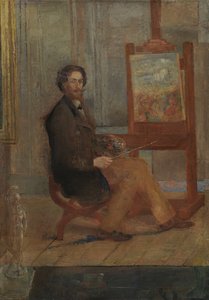
James Ensor
1860 - 1949 , Bélgica
Dados Rápidos
- Artistic Movement Or Style: Expressionismo, Surrealismo
- Artists Or Movements Influenced By This Artist:
- Expressionismo
- Surrealismo
- Artists Who Influenced This Artist:
- Bruegel o Velho
- Goya
- Whistler
- Date Of Birth: 13 de abril de 1860
- Date Of Death: 19 de novembro de 1949
- Full Name: James Sidney Edouard Ensor
- Nationality: Belga
- Notable Artworks:
- Máscaras Escandalizadas
- Esqueletos...
- Entrada do Cristo
- Place Of Birth: Ostend, Bélgica
Artigos Relacionados

Expressionism Explained: A Professional Guide to Using Bold Color and Raw Emotion in High-End Hospitality Design
Master the use of Expressionism in hospitality design. Learn how bold colors and raw emotion drive guest engagement through professional art procurement, custom oil reproductions, and large-scale multi-panel installations for high-end hotel interiors.

Expressionism Explained: A Professional Guide to Bold Colors and Emotional Depth for Interior Designers
Master the use of Expressionism in hospitality design. Learn how bold colors and distorted forms create emotional impact in hotel interiors through expert guidance on sourcing high-quality, hand-painted reproductions and large-format custom commissions for professional decorators.


