Vida Inicial, Família e Formação
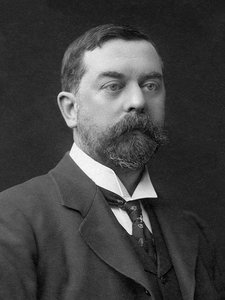
Nascido em Florença, Itália, em 12 de janeiro de 1856, John Singer Sargent ingressou em um mundo moldado pelo nomadismo de seus pais expatriados americanos, FitzWilliam e Mary Newbold Sargent. Seu pai havia atuado anteriormente como cirurgião ocular no Wills Eye Hospital, na Filadélfia, entre 1844 e 1854. Esse histórico médico proporcionou uma base estável, embora transitória, antes que a vida da família passasse a ser definida pelos ritmos cosmopolitas da Europa. O ambiente doméstico era de profunda inclinação artística; sua irmã, Mary, nasceu em 1857, e sua irmã Emily viria a se estabelecer como uma pintora talentosa. Esses primeiros anos foram menos sobre um lar fixo e mais sobre uma imersão nas tradições visuais do continente.
Sua educação formal seguiu um caminho através dos grandes centros da arte europeia, com uma formação que abrangeu Florença, Paris e Londres. Em Paris, ele ingressou no ateliê de Carolus-Duran, uma mentoria que moldaria fundamentalmente sua abordagem técnica. Este período de estudo foi crucial para o refinamento das habilidades de observação que caracterizaram seu desenvolvimento inicial. Em vez de seguir um caminho acadêmico rígido, seu treinamento foi uma sequência de engajamento direto com os mestres e com os métodos específicos dos ateliers parisienses. Ele emergiu desses estudos com uma facilidade técnica que lhe permitiu transitar entre as exigências estruturadas do retrato e os requisitos mais espontâneos de seus estudos posteriores.
Os Anos de Paris e o Escândalo Artístico
Em 1874, aos dezoito anos, John Singer Sargent ingressou no estúdio de Carolus-Duran em Paris. Esta mentoria revelou-se transformadora, pois a ênfase na pintura direta ajudou a refinar sua destreza técnica e sua habilidade de capturar semelhanças com uma velocidade impressionante. Buscando aprofundar ainda mais suas habilidades, ele matriculou-se na École des Beaux-Arts, estudando modelos vivos e moldes de gesso para consolidar sua base artística. Durante esses anos formativos, ele começou a se estabelecer entre a elite da cidade, navegando pelas complexas hierarquias sociais e artísticas da capital francesa.
Sua ascensão rumo ao posto de um dos principais pintores da alta sociedade foi interrompida por uma controvérsia súbita e avassaladora. A revelação de Madame X (Retrato de Madame Pierre Gautreau) no Salão de 1884 desencadeou um escândalo que ameaçou sua carreira em pleno florescimento. A representação audaciosa da socialite — notável por sua tez pálida e uma pose sugestiva — foi considerada provocativa pela sociedade parisiense. Embora ele tenha repintado a alça do vestido posteriormente, o impacto social foi profundo. Este escândalo acabou por forçá-lo a deixar Paris e retornar à Inglaterra, em busca de um público mais receptivo para seus talentos.
Sucesso em Londres e a Arte do Retrato
O escândalo ocorrido em Paris provocou uma mudança significativa em sua trajetória, levando-o a se mudar para Londres em 1886. Este movimento revelou-se um verdadeiro divisor de águas, pois ele transitou de uma figura controversa para o principal pintor de retratos de sua geração. John Singer Sargent possuía um nível raro de autonomia profissional; ele tinha o poder de escolher quais encomendas aceitar e de estabelecer valores altíssimos por sua obra. Essa independência permitiu que ele navegasse pelos mais altos escalões da sociedade com um senso de comando que poucos de seus contemporâneos conseguiriam igualar.
Seus modelos eram os arquitetos de sua era, abrangendo desde a elite social até proeminentes figuras políticas. Entre as inúmeras celebridades que posaram para ele estava o ex-presidente Theodore Roosevelt. Ele não se limitava a registrar uma semelhança física; ele capturava a dinâmica social e a opulência da era Eduardiana. Sua habilidade de documentar a essência do caráter de seus modelos o tornou uma figura extremamente requisitada por aqueles que desejavam assegurar seu lugar na história visual daquela época.
Técnica e Estilo Artístico
A abordagem de John Singer Sargent em relação à tela era definida por uma habilidade técnica extraordinária, manifestada especialmente em sua capacidade quase literária de desenhar com o pincel. Sob a mentoria de Carolus-Duran, ele abraçou o princípio da pintura direta, um método que priorizava a aplicação imediata do pigmento em vez da segurança de esboços preliminares. Esse treinamento o encorajou a capturar a essência de um sujeito através de movimentos espontâneos e decisivos. Seu método frequentemente envolvia a aplicação de tons em manchas discretas, semelhantes a um mosaico, que ele posteriormente fundia para alcançar uma sensação de profundidade e forma. Tal processo permitia uma fluidez que se tornou a marca registrada de sua mão magistral.
Sua produção artística refletia uma natureza dual em seu temperamento criativo. Em seus retratos encomendados, ele aderia ao "grand manner", atendendo às expectativas de seus modelos da alta sociedade com elegância e compostura. No entanto, seus estudos informais e suas pinturas de paisagem revelavam uma inclinação distinta. Nessas obras, ele demonstrava uma familiaridade com o Impressionismo, utilizando pinceladas soltas para capturar as qualidades mutáveis da luz. Essa versatilidade permitia que ele transitasse entre as exigências estruturadas do retrato formal e os requisitos mais expressivos e atmosféricos da pintura ao ar livre.
Obras-Primas e a Amplitude Artística
A produção de John Singer Sargent foi vasta e extraordinária, compreendendo aproximadamente 900 pinturas a óleo e mais de 2.000 aquarelas. A temática de sua arte acompanhava seus movimentos pelo globo, documentando paisagens e figuras que iam de Veneza, o Tirol, Corfu e Capri até o Oriente Médio, Espanha, Montana, Maine e Flórida. Essa amplitude geográfica permitiu que ele transitasse com maestria entre as exigências estruturadas do retrato da alta sociedade e os requisitos espontâneos dos estudos ao ar livre. Embora sua reputação estivesse frequentemente ligada à elegância de seus modelos, seus esboços e desenhos a carvão revelam um olhar inquieto e observador, que buscava a essência de um momento em vez de uma mera semelhança física.
Sua habilidade em navegar por diferentes gêneros é evidente no contraste entre seus temas mais célebres. Madame X permanece como uma peça central de sua fase inicial, uma obra que definiu sua presença na cena artística parisiense. Em contrapartida, seu interesse tardio pelo mundo natural e por cenários mais informais deu origem a obras como Carnation, Lily, Lily, Rose, uma representação de duas jovens em um jardim inglês. Ele também capturou a energia do movimento em El Jaleo, um retrato vibrante de dançarinos de flamenco espanhóis. Essas obras demonstram uma flexibilidade técnica que o permitia transitar desde o peso e a formalidade de um encargo oficial até a atmosfera banhada por luz de um jardim ou de uma dança.
- 1882: El Jaleo
- 1885: Carnation, Lily, Lily, Rose
Legado e Influência Duradoura
No momento de sua partida, em 15 de abril de 1925, a magnitude da obra de John Singer Sargent já havia atingido proporções vastas, abrangendo aproximadamente 900 pinturas a óleo e mais de 2.000 aquarelas. Sua destreza técnica, manifestada especialmente na habilidade quase gráfica de desenhar com o pincel, deixou uma marca indelével nas gerações subsequentes de artistas. Embora grande parte de sua fama tenha repousado sobre os encargos da alta sociedade da era Eduardiana, sua influência estendeu-se para além do status social, penetrando na própria mecânica de como a luz e a atmosfera são transfiguradas sobre a tela.
A compreensão de sua amplitude artística passou por uma transformação significativa na década de 1980. A redescoberta de seus nus masculinos, anteriormente negligenciados, proporcionou uma visão muito mais complexa de suas intenções criativas, elevando o diálogo para além dos círculos sociais de sua retratística. Essa expansão de seu catálogo conhecido revelou um artista mais matizado, cujos interesses não estavam confinados apenas às superfícies cintilantes da Gilded Age. Suas obras continuam a cativar públicos ao redor do globo, mantendo uma presença constante em instituições de prestígio, como o Metropolitan Museum of Art e a Tate Gallery.
- El Jaleo
- Carnation, Lily, Lily, Rose
- Madame X
- The Wyndham Sisters


 Ler mais


 Alternar para Impressão


 Para obras de arte ou reproduções com mais de 105 cm (aproximadamente 41 polegadas) em qualquer um dos lados, a moldura será enviada como um kit desmontado. Este método garante uma entrega segura e evita danos durante o transporte.




