


 Visualizar em escala
 Enviar
 Compartilhar
 Ver detalhes

 Baixar
 Semelhantes
 Raio X
 Apresentação de slides
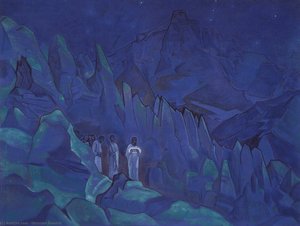
Transit
 1993
1993 47.0 x 124.0 cm
 Ver mais
Giclée / Impressão de Arte
Impressão giclée ou em tela de qualidade de museu, com produção rápida e opções flexíveis de acabamento. ( Encomendar reprodução pintada à mão Comprar imagem em alta resolução)




































Escolha entre os nossos tamanhos pré-definidos que respeitam as proporções originais da obra de arte.

Você pode inserir suas próprias dimensões para se ajustar a uma moldura ou espaço específico. Se o tamanho selecionado não corresponder às proporções da imagem original, iremos recortar a obra de arte ou estender a imagem com uma borda espelhada ou preenchimento sólido. Um mockup digital será enviado para sua aprovação antes do início da produção.
Por favor, observe que a visualização na tela não reflete o recorte ou a extensão real. Apenas o mockup mostrará com precisão a composição final.
Embora tamanhos personalizados estejam disponíveis, recomendamos selecionar uma dimensão da lista predefinida para preservar as proporções originais.
Entrega mundial () em 2 semanas, em vez das 4/5 semanas padrão. (16 Agosto)

Envio Expresso Gratuito para todo o Mundo

Tela de Linho Premium

Seguro de transporte total

Garantia de Reembolso de Impostos Alfandegários

Garantia de Fidelidade de Cor

Política de Devolução de 60 Dias (Apenas para Defeitos)

Garantia de reembolso de 100%

Desconto para múltiplas unidades
 A opção de vidro está disponível apenas para tamanhos inferiores a 110 cm

Transit
Giclée / Impressão de Arte
Dimensões da Reprodução
-


Preço Total
$ 64
Obras Relacionadas




Biografia do Artista
A Life Immersed: The Evocative World of Judith Cotton
Judith Cotton, born in the starkly beautiful landscape of Broken Hill, Australia in 1941, is an artist whose work resonates with a profound sense of place and a deeply personal exploration of the natural world. Her journey, however, wasn’t one immediately destined for the canvas. Raised within a politically charged household, Cotton initially distanced herself from the arena of public debate, seeking instead a quieter language – that of paint, color, and form. This decision proved pivotal, allowing her to forge an artistic path marked by evocative power and critical acclaim. She began exhibiting in Canberra in 1968, a nascent step towards a career that would see her work grace galleries across the globe, from New York and Sydney to London and Hong Kong. Cotton’s paintings aren't merely representations of landscapes; they are distillations of experience, memory, and emotion, imbued with a unique sensitivity to light, water, and the ephemeral qualities of existence.Early Influences and Artistic Development
Cotton’s early life in the Australian outback profoundly shaped her artistic sensibility. The vastness of the desert, its harsh beauty, and the precious scarcity of water instilled within her a deep respect for the natural world – themes that would become central to her oeuvre. While initially self-taught, Cotton quickly developed a sophisticated understanding of color theory and composition. Her work moved away from strict representationalism early on, embracing an abstract realism that allowed her to convey not just *what* she saw, but *how* it felt to be immersed in these environments. The influence of the Australian landscape painters is subtly present, yet Cotton’s vision quickly diverged, becoming more focused on internal states and the psychological impact of place. Her time living as an expatriate – notably in South Korea and later Tokyo – further broadened her perspective, exposing her to diverse cultures and artistic traditions that enriched her evolving style. The challenges of navigating these new environments, particularly as a single mother in 1970s Tokyo, instilled a resilience and independence reflected in the strength and clarity of her work.Water, Fire, and the Exploration of Elemental Forces
Cotton’s paintings are often characterized by their exploration of elemental forces – most notably water and fire. Water appears not simply as a physical element but as a metaphor for fluidity, change, and the subconscious. Her celebrated “Swimmer Series” is perhaps her most iconic work, depicting figures submerged in luminous waters, caught between states of vulnerability and liberation. These are not depictions of recreational swimming; they are explorations of inner landscapes, meditations on solitude, and reflections on the human condition. Similarly, fire appears as a symbol of transformation, destruction, and renewal. Cotton’s fiery compositions often evoke a sense of both danger and beauty, capturing the raw energy and unpredictable nature of this primal force. She masterfully employs layering techniques, building up surfaces with translucent washes of color to create an almost ethereal quality, allowing light to permeate her canvases and imbue them with a captivating luminosity.Recognition and Legacy
Over the course of her career, Judith Cotton has achieved significant recognition within the art world. She has held 24 solo exhibitions in major international cities, and her work is included in the permanent collections of prestigious institutions such as The Metropolitan Museum of Art and The Phillips Collection. A ten-year survey of her work toured Australian museums in 2002-2003, solidifying her position as a leading figure in contemporary Australian painting. Beyond her visual art, Cotton has also garnered acclaim for her writing, with the publication of her memoir, *Swimming Home* (2022), offering further insight into the experiences and influences that have shaped her artistic vision. Her impact extends beyond the aesthetic realm; she is admired for her courage to pursue a deeply personal path, her unwavering commitment to her craft, and her ability to evoke profound emotional responses through her evocative paintings.Historical Significance
Judith Cotton’s work occupies a unique space within contemporary art. She bridges the gap between abstraction and realism, creating paintings that are both visually stunning and intellectually engaging. Her exploration of water and fire resonates with broader concerns about environmental issues and the human relationship to nature. In an era increasingly defined by technological detachment, Cotton's paintings offer a powerful reminder of the beauty and fragility of the natural world. She is considered a significant figure in Australian art history, not only for her technical skill and artistic vision but also for her ability to capture the essence of a particular place – the vastness and solitude of the Australian landscape – and translate it into a universal language of emotion and experience. Her work continues to inspire and captivate audiences worldwide, solidifying her legacy as one of the most important contemporary painters of our time.
judith cotton
1941 - , Australia
Informações Rápidas
- Artistic Movement Or Style: Contemporary Painting
- Date Of Birth: 1941
- Full Name: Judith Cotton
- Nationality: Australian
- Place Of Birth: Broken Hill, Australia



