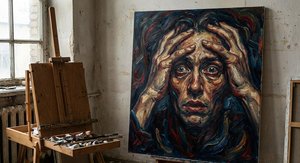
1914. Acrylic.

§ 1Dados do catálogo


Esta obra está protegida por direitos autorais
A obra de arte exibida nesta página é protegida por leis de direitos autorais, o que significa que não podemos criar ou vender legalmente uma reprodução idêntica. Esta proteção é aplicada por meio de acordos internacionais, tais como a Convenção de Berna e pelas leis nacionais, incluindo as estabelecidas por Lei de Direitos Autorais dos EUA - Título 17.
Como uma alternativa respeitosa e legal, oferecemos obras de arte personalizadas e pintadas à mão, inspiradas na obra original. Nossos artistas profissionais e experientes estudam cuidadosamente o estilo, a atmosfera e a essência artística da obra original para criar uma peça nova e única que evoque a mesma sensação — permanecendo como uma criação original por direito próprio.
Este método cumpre plenamente as regulamentações de direitos autorais, pois não envolve a cópia ou duplicação da obra protegida. Em vez disso, trata-se de uma reinterpretação criativa — uma nova pintura que é influenciada pela original, mas não idêntica a ela.
 Leia mais
§ 2Abstrato
Descrição do Item
Marc Chagall’s mesmerizing ‘David in profile’ captures a dreamlike musical scene—a man playing the zither amidst fellow musicians and vibrant colors—reflecting his Vitebsk heritage and pioneering Expressionist style. Explore this iconic masterpiece and bring its enchanting vision home.
Biografia do Artista
Explore o universo artístico de Marc Chagall (1887-1985), pintor russo-francês renomado por suas obras surrealistas, temas folclóricos judaicos e vitrais impressionantes! Descubra seu legado único.
§ 3Comentário
A Symphony of Color and Memory: Exploring Marc Chagall’s “David in Profile”
The painting "David in Profile" by Marc Chagall, completed in 1914, isn't simply a depiction of a musician; it’s an embodiment of Chagall’s distinctive artistic philosophy—a profound meditation on Jewish identity and the enduring influence of folklore. Captured in vibrant hues against a backdrop reminiscent of Vitebsk, Belarus, this artwork speaks volumes about Chagall’s formative years and his unwavering commitment to translating dreams into tangible visual form.- Subject Matter: The central figure is a man seated comfortably, holding a zither—a traditional Jewish instrument—suggesting both musical artistry and contemplation. Surrounding him are other musicians and individuals engaged in social interaction, creating an atmosphere of communal celebration.
- Style: Chagall’s style is undeniably Surrealist, yet it transcends categorization. He employs flattened perspectives, distorted figures, and fantastical imagery to convey emotion rather than precise representation. This approach aligns perfectly with the artist's desire to capture not just what he sees but what he *feels*.
- Technique: Chagall predominantly utilized oil paints on canvas, applying them in thick impasto—a technique characterized by textured brushstrokes—which lends a palpable physicality to the artwork. The bold colors are applied with expressive confidence, creating an illusion of movement and capturing the luminous quality of Vitebsk’s landscapes.
Historical Context: Vitebsk and the Artistic Avant-Garde
Vitebsk in 1914 was a crossroads of cultures—a city grappling with modernization while fiercely preserving its traditions. Chagall's upbringing within Vitebsk’s Hasidic Jewish community profoundly shaped his artistic vision. The painting reflects this duality, mirroring the tensions between faith and reason that permeated European intellectual life at the time. Simultaneously, it aligns with the burgeoning Surrealist movement, spearheaded by André Breton, which sought to liberate art from rational constraints and tap into the subconscious mind. Chagall’s engagement with Vitebsk's cultural landscape served as a catalyst for his artistic experimentation.Symbolism: Flight, Harmony, and Remembrance
The painting overflows with symbolic imagery. The figures appear to float or glide effortlessly, representing liberation from earthly concerns and embodying the artist’s belief in spiritual transcendence—a recurring motif throughout Chagall's oeuvre. The zither itself symbolizes Jewish musical heritage and serves as a conduit for conveying emotion. Furthermore, the luminous colors of Vitebsk – predominantly greens and yellows – evoke memories of Chagall’s childhood home and symbolize hope and renewal.Emotional Impact: A Window into Chagall’s Soul
“David in Profile” isn't merely aesthetically pleasing; it possesses a deep emotional resonance. It captures the spirit of Vitebsk—a place brimming with life, faith, and artistic fervor—and invites viewers to contemplate themes of identity, memory, and the transformative power of imagination. Chagall’s masterful use of color and technique creates an immersive experience that transports us back to his formative years, reminding us that art can serve as a powerful vehicle for conveying profound human emotions. It's a testament to Chagall's ability to distill complex ideas into deceptively simple visual forms—a captivating glimpse into the artist’s inner world.Perguntas e Respostas
"David in profile", de Marc Chagall está em domínio público?
Informação de direitos autorais para "David in profile", de Marc Chagall: a obra está em ainda protegido por direitos autorais. Isso determina se reproduções da imagem podem ser feitas livremente.
De que forma o estilo de "David in profile" se relaciona com a época de seu criador?
"David in profile", de Marc Chagall insere-se no movimento Expressionist Surrealism, dentro da era Modernismo de seu criador.
De que técnica é feita a obra "David in profile"?
A técnica de "David in profile", de Marc Chagall é Acrylic. As reproduções visam reproduzir a aparência desta técnica.


 Alternar para Impressão


 Para obras de arte ou reproduções com mais de 105 cm (aproximadamente 41 polegadas) em qualquer um dos lados, a moldura será enviada como um kit desmontado. Este método garante uma entrega segura e evita danos durante o transporte.