

Oil On Canvas.

§ 1Catalogue data


Esta obra está protegida por direitos autorais
A obra de arte exibida nesta página é protegida por leis de direitos autorais, o que significa que não podemos criar ou vender legalmente uma reprodução idêntica. Esta proteção é aplicada por meio de acordos internacionais, tais como a Convenção de Berna e pelas leis nacionais, incluindo as estabelecidas por Lei de Direitos Autorais dos EUA - Título 17.
Como uma alternativa respeitosa e legal, oferecemos obras de arte personalizadas e pintadas à mão, inspiradas na obra original. Nossos artistas profissionais e experientes estudam cuidadosamente o estilo, a atmosfera e a essência artística da obra original para criar uma peça nova e única que evoque a mesma sensação — permanecendo como uma criação original por direito próprio.
Este método cumpre plenamente as regulamentações de direitos autorais, pois não envolve a cópia ou duplicação da obra protegida. Em vez disso, trata-se de uma reinterpretação criativa — uma nova pintura que é influenciada pela original, mas não idêntica a ela.
 Leia mais
§ 2Abstract
Descrição do Item
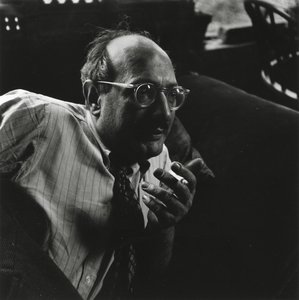
Experience the haunting beauty of Mark Rothko’s abstract expressionist masterpiece, ‘No. 24,’ capturing a contemplative face against a blurred monochrome backdrop—a poignant exploration of emotion and form from the mid-century period. Discover this evocative artwork and bring its timeless vision home.
Biografia do Artista
Explore as obras icônicas de Mark Rothko (1903-1970), pintor expressionista abstrato e mestre da pintura de campo. Descubra a profundidade emocional e o impacto duradouro deste artista fundamental.
§ 3Commentary
The Weight of Absence: A Journey into Rothko’s No. 24
To stand before Mark Rothko’s No. 24 is not merely to view a painting, but to enter into a profound, silent dialogue with the human soul. In this evocative work, the boundaries between the viewer and the canvas begin to dissolve, leaving behind only a sense of weight, light, and an almost overwhelming emotional resonance. The painting presents a solitary human face—a deliberate simplification that prioritizes emotional resonance over realistic representation. Rothko eschews detailed anatomical rendering, opting instead for amorphous shapes that convey an overwhelming sense of vulnerability and introspection. The blurred background serves to heighten the focus on this central figure, creating a visual dialogue between presence and obscurity that pulls the observer into a meditative state.
The technical mastery behind this piece embodies the core tenets of Abstract Expressionism, specifically Rothko’s signature Color Field painting style. Through the thick application of rectangular blocks of color—primarily shades of black and white—the artist creates expansive planes that dominate the canvas. This technique is characterized by a deliberate lack of visible brushstrokes, resulting in a surface texture that appears almost velvety to the eye. The mesmerizing effect is achieved through careful pigment layering and optical blending, where colors seem to vibrate against one another. For the collector or interior designer, this creates a piece that possesses a unique atmospheric gravity, acting as a focal point that commands attention through its quiet, rhythmic breathing of color.
Symbolism and the Echoes of History
Emerging from the turbulent postwar artistic landscape, No. 24 reflects the deep-seated anxieties of an era marked by the disillusionment following World War II. Influenced by Surrealism and Gestalt psychology, Rothko sought to bypass conscious thought to tap into primal emotions. His chosen palette is laden with profound symbolic significance: the black represents darkness, grief, and mortality, while the white embodies purity, spirituality, and transcendence. The juxtaposition of these opposing hues creates a tension that mirrors the complexities of human existence itself. It is a visual manifestation of the search for meaning amidst chaos.
Beyond its aesthetic beauty, the painting invites deep contemplation on themes of isolation, loss, and the eternal yearning for connection. For those seeking to adorn a space with art that inspires reflection, this work offers a sanctuary of pure emotion. Whether placed in a quiet study or a grand gallery, a high-quality reproduction of No. 24 brings with it a sense of historical depth and existential inquiry, making it an incomparable choice for anyone looking to infuse their environment with intellectual and emotional sophistication.
Perguntas e Respostas
Como é descrita a atmosfera de "No. 24", de Mark Rothko?
A atmosfera geral de "No. 24", de Mark Rothko é Calm. O clima descreve a sensação predominante da obra.
Quão harmoniosas são as cores de "No. 24" entre si?
A harmonia de cores de "No. 24" é definida como Unified Palette.
Qual cor mais se destaca em "No. 24"?
A cor que mais se destaca em "No. 24" é Rosy Brown (#b79d7f). A cor dominante é útil ao combinar uma obra de arte com um ambiente interno.


 Alternar para Impressão


 Para obras de arte ou reproduções com mais de 105 cm (aproximadamente 41 polegadas) em qualquer um dos lados, a moldura será enviada como um kit desmontado. Este método garante uma entrega segura e evita danos durante o transporte.


