

1968. Acrylic On Canvas, 50.0 x 65.0 cm.

§ 1Dados do catálogo

- 50.0 x 65.0 cm


Esta obra está protegida por direitos autorais
A obra de arte exibida nesta página é protegida por leis de direitos autorais, o que significa que não podemos criar ou vender legalmente uma reprodução idêntica. Esta proteção é aplicada por meio de acordos internacionais, tais como a Convenção de Berna e pelas leis nacionais, incluindo as estabelecidas por Lei de Direitos Autorais dos EUA - Título 17.
Como uma alternativa respeitosa e legal, oferecemos obras de arte personalizadas e pintadas à mão, inspiradas na obra original. Nossos artistas profissionais e experientes estudam cuidadosamente o estilo, a atmosfera e a essência artística da obra original para criar uma peça nova e única que evoque a mesma sensação — permanecendo como uma criação original por direito próprio.
Este método cumpre plenamente as regulamentações de direitos autorais, pois não envolve a cópia ou duplicação da obra protegida. Em vez disso, trata-se de uma reinterpretação criativa — uma nova pintura que é influenciada pela original, mas não idêntica a ela.
 Leia mais
§ 2Abstrato
Descrição do Item
Biografia do Artista
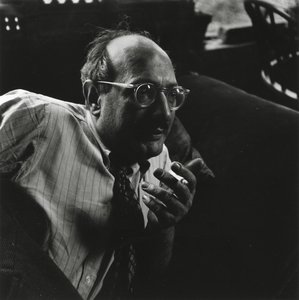
Explore as obras icônicas de Mark Rothko (1903-1970), pintor expressionista abstrato e mestre da pintura de campo. Descubra a profundidade emocional e o impacto duradouro deste artista fundamental.
§ 3Comentário
A Symphony of Color: Examining Mark Rothko’s Untitled (Gray, Gray on Red)
Mark Rothko's "Untitled (Gray, Gray on Red)" stands as a cornerstone of Abstract Expressionism, embodying the movement’s core tenets—emotional intensity and nonrepresentational form—while simultaneously grappling with profound existential questions. Painted in 1968 during his prolific period, this monumental canvas transcends mere visual aesthetics; it invites contemplation about color, perception, and the human condition. The artwork's simplicity is deceptive – its two rectangular blocks of crimson and muted gray are meticulously crafted to elicit a visceral response from the viewer.The Essence of Color Field Painting
Rothko’s approach distinguishes him from earlier Surrealist or Cubist explorations. He eschewed illusionistic representation, opting instead for “color fields,” large areas of pigment designed to saturate the senses and bypass rational thought. This technique—characterized by thick impasto brushstrokes that build up layers of paint—creates a tactile experience alongside visual impact. The subtle variations in tone within each rectangle contribute to an unsettling dynamism, hinting at hidden depths beneath the surface calmness. As Rothko himself famously stated, “I want people to feel.” And this painting undeniably achieves that goal.Historical Context and Artistic Influences
The late 1960s were a turbulent time globally, marked by civil rights movements, antiwar protests, and escalating anxieties about nuclear annihilation. Rothko’s work emerged from this milieu, reflecting the pervasive sense of unease and searching for solace in abstract forms. While influenced by Piet Mondrian's geometric abstraction—particularly his exploration of orthogonal lines—Rothko deliberately rejected Mondrian’s intellectual rigor, prioritizing intuition and emotional expression. He drew inspiration from Eastern Orthodox iconography, seeking to convey spiritual transcendence through color and form. The deliberate reduction of visual information aligns with a broader philosophical preoccupation with confronting the void – an idea explored extensively by existentialist thinkers like Sartre and Camus.Symbolism Beyond Representation
“Untitled (Gray, Gray on Red)” resists easy interpretation, deliberately avoiding symbolic narratives or recognizable imagery. However, scholars have argued that the colors themselves carry significant weight. Crimson represents passion, vitality, and perhaps even primal instinct—a forceful assertion of presence against the encroaching darkness. Conversely, gray embodies ambiguity, contemplation, and the acceptance of mortality. The juxtaposition of these hues creates a tension that mirrors the complexities of human experience. Rothko’s intention wasn't to depict something specific but rather to evoke an emotional state – one of profound stillness punctuated by flashes of intense feeling.A Legacy of Emotional Resonance
Today, reproductions of “Untitled (Gray, Gray on Red)” grace galleries and private collections worldwide. Its enduring appeal lies in its ability to bypass intellectual analysis and speak directly to the viewer’s subconscious. The painting's monumental scale commands attention, inviting prolonged observation and fostering a meditative state. It serves as a powerful reminder that art can transcend language and communicate feelings of vulnerability, beauty, and spiritual yearning—qualities that continue to resonate deeply with audiences across generations.Perguntas e Respostas
Que sentimento transmite "Untitled (Gray, Gray on Red)", de Mark Rothko?
A atmosfera de "Untitled (Gray, Gray on Red)", de Mark Rothko é Calm, e seu tom emocional é Reflective.
Qual artista e qual estilo estão por trás de "Untitled (Gray, Gray on Red)"?
Por trás de "Untitled (Gray, Gray on Red)" estão Mark Rothko e o movimento Color Field Expressionism.
Qual é a situação dos direitos autorais de "Untitled (Gray, Gray on Red)", de Mark Rothko?
"Untitled (Gray, Gray on Red)", de Mark Rothko, está em ainda protegido por direitos autorais. Os termos de direitos autorais são calculados a partir do falecimento do artista, e Mark Rothko faleceu em 1970.


 Alternar para Impressão


 Para obras de arte ou reproduções com mais de 105 cm (aproximadamente 41 polegadas) em qualquer um dos lados, a moldura será enviada como um kit desmontado. Este método garante uma entrega segura e evita danos durante o transporte.


