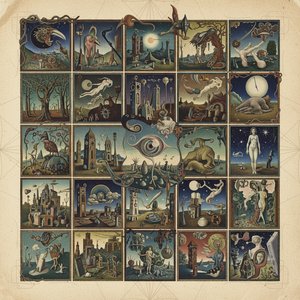
1940. Acrylic On Canvas, 36.0 x 28.0 cm.

§ 1Catalogue data
 Acrylic On Canvas
- WallArt
- Surrealism
 1940
1940- Modern
 36.0 x 28.0 cm
Esta obra está protegida por direitos autorais
A obra de arte exibida nesta página é protegida por leis de direitos autorais, o que significa que não podemos criar ou vender legalmente uma reprodução idêntica. Esta proteção é aplicada por meio de acordos internacionais, tais como a Convenção de Berna e pelas leis nacionais, incluindo as estabelecidas por Lei de Direitos Autorais dos EUA - Título 17.
Como uma alternativa respeitosa e legal, oferecemos obras de arte personalizadas e pintadas à mão, inspiradas na obra original. Nossos artistas profissionais e experientes estudam cuidadosamente o estilo, a atmosfera e a essência artística da obra original para criar uma peça nova e única que evoque a mesma sensação — permanecendo como uma criação original por direito próprio.
Este método cumpre plenamente as regulamentações de direitos autorais, pois não envolve a cópia ou duplicação da obra protegida. Em vez disso, trata-se de uma reinterpretação criativa — uma nova pintura que é influenciada pela original, mas não idêntica a ela.
 Leia mais
§ 2Abstract
Descrição do Item
Biografia do Artista
Explore o universo surreal de Max Ernst (1891-1976)! Pioneiro do Dada e Surrealismo, suas obras inovadoras usam frottage, colagens e paisagens oníricas com temas psicológicos. #MaxErnst #Surrealismo #Dada
§ 3Commentary
A Dance Between Chance and Vision: Exploring Max Ernst’s “Abstract Composition”
Max Ernst's "Abstract Composition," painted in 1940, stands as a testament to the radical experimentation that defined his artistic career—a cornerstone of Dada and Surrealism. Born Maximilian Maria Ernst on April 1st, 1891, in Brühl, Germany, he defied conventional academic paths, forging instead a singular path fueled by philosophical contemplation and an unwavering fascination with the subconscious mind. His father’s role as a teacher of the deaf instilled within him not only sensitivity to auditory perception but also a rebellious spirit against societal constraints—a duality that would permeate his artistic endeavors. Ernst's intellectual grounding extended far beyond mere visual aesthetics; he pursued degrees in philosophy, art history, literature, psychology, and psychiatry at Bonn University. This multifaceted approach wasn’t simply about mastering artistic skills; it was about interrogating the very nature of creativity itself—asking “Why?” He sought to understand the psychological forces shaping artistic expression, mirroring his broader philosophical inquiries into existentialism and the human condition. The painting's visual language is strikingly simple yet profoundly complex. Two sailboats glide across a serene expanse of blue water, their trajectories subtly converging – an image imbued with quiet contemplation and hinting at interconnectedness. Scattered throughout the canvas are birds—symbols often associated with freedom, aspiration, and spiritual transcendence—adding a layer of dynamism to the tranquil scene. However, it’s Ernst's groundbreaking technique that truly elevates “Abstract Composition.” He employed grattage, a method pioneered by Ernst himself, wherein he meticulously covered the canvas with pigment and subsequently scraped away portions using a palette knife. This process revealed underlying impressions created by objects positioned beneath the initial layer of paint—a deliberate embrace of chance and spontaneity championed by Dada and Surrealist artists. Further manipulation involved utilizing a painter’s comb to disrupt earlier paint strata, exposing hidden textures and patterns. Finally, Ernst stamped new motifs onto the dried surface, continuing his exploration of layering and transformation. This meticulous process underscores Ernst's commitment to disrupting traditional artistic conventions and delving into the realm of unconscious imagery. The clock in the upper left corner serves as a subtle focal point—perhaps representing time’s relentless march or symbolizing the artist’s deliberate control over the creative process. “Abstract Composition” embodies the spirit of Surrealism, prioritizing dreamlike imagery and irrational juxtapositions to provoke thought and challenge perceptions. It's more than just a depiction of sailboats; it’s an invitation to consider themes of movement, harmony, and hidden depths—a captivating piece for collectors seeking artwork that transcends literal representation. Consider commissioning a high-quality reproduction to bring Ernst’s visionary aesthetic into your home or studio.- Artist: Max Ernst
- Year Painted: 1940
- Medium: Acrylic on Canvas
- Dimensions: 36 x 28 cm
Perguntas e Respostas
A obra "Abstract Composition" está disponível para download em alta resolução?
Para obter uma versão digital de "Abstract Composition", de Max Ernst, peça download de imagem digital em alta resolução em sua página Imagem Digital de Alta Resolução.
O que "Abstract Composition", de Max Ernst retrata?
Os temas presentes em "Abstract Composition", de Max Ernst incluem sailboats, birds, clock, texture, chance, abstraction, palette knife. Juntos, eles sintetizam o assunto da obra.
Onde posso comprar reproduções pintadas à mão de "Abstract Composition", de Max Ernst?
Reproduções pintadas à mão de "Abstract Composition", de Max Ernst podem ser adquiridas no este site: uma reprodução a óleo pintada à mão sobre tela de linho, através da sua página de encomendas Reprodução Pintada à Mão.



 Alternar para Impressão


 Para obras de arte ou reproduções com mais de 105 cm (aproximadamente 41 polegadas) em qualquer um dos lados, a moldura será enviada como um kit desmontado. Este método garante uma entrega segura e evita danos durante o transporte.