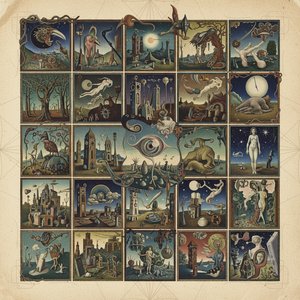
Oil On Panel.

§ 1Dados do catálogo

Esta obra está protegida por direitos autorais
A obra de arte exibida nesta página é protegida por leis de direitos autorais, o que significa que não podemos criar ou vender legalmente uma reprodução idêntica. Esta proteção é aplicada por meio de acordos internacionais, tais como a Convenção de Berna e pelas leis nacionais, incluindo as estabelecidas por Lei de Direitos Autorais dos EUA - Título 17.
Como uma alternativa respeitosa e legal, oferecemos obras de arte personalizadas e pintadas à mão, inspiradas na obra original. Nossos artistas profissionais e experientes estudam cuidadosamente o estilo, a atmosfera e a essência artística da obra original para criar uma peça nova e única que evoque a mesma sensação — permanecendo como uma criação original por direito próprio.
Este método cumpre plenamente as regulamentações de direitos autorais, pois não envolve a cópia ou duplicação da obra protegida. Em vez disso, trata-se de uma reinterpretação criativa — uma nova pintura que é influenciada pela original, mas não idêntica a ela.
 Leia mais
§ 2Abstrato
Descrição do Item
Biografia do Artista
Explore o universo surreal de Max Ernst (1891-1976)! Pioneiro do Dada e Surrealismo, suas obras inovadoras usam frottage, colagens e paisagens oníricas com temas psicológicos. #MaxErnst #Surrealismo #Dada
§ 3Comentário
Le Mont Chauve: A Surreal Echo of Instinct and Observation
Max Ernst’s “Le Mont Chauve,” painted in 1955, stands as a quintessential example of Surrealist exploration—a visual poem grappling with the subconscious mind and challenging conventional perceptions of reality. More than just an image, it's a carefully constructed invitation into a realm where logic yields to dreamlike association, mirroring Ernst’s lifelong fascination with psychoanalysis and his desire to liberate art from rational constraints.
- Composition & Technique: The painting utilizes a strikingly simple yet profoundly impactful format—a circular field dominated by black hues punctuated by an incandescent red eye. Ernst achieved this ethereal effect through layering oil paints, employing a technique known as “frottage,” where he rubbed textured surfaces onto canvas to transfer their patterns and impressions into the artwork. This method reflects Ernst’s belief that artistic inspiration could be found in unexpected sources—the accidental marks of nature itself.
- Symbolism & Subject Matter: The central eye serves as a potent symbol, representing vigilance, awareness, and perhaps even an unsettling gaze directed inward. It's positioned atop a stylized mountain – “Le Mont Chauve” – which evokes images of solitude, contemplation, and the primal forces of nature. Ernst’s deliberate ambiguity invites viewers to project their own anxieties and desires onto this enigmatic landscape.
- Color Palette & Line Work: Despite its darkness, "Le Mont Chauve" incorporates subtle shades of blue within textured areas, hinting at hidden depths and suggesting a connection to the unconscious. Thin, radiating lines emanate from the eye, creating a dynamic visual rhythm that contrasts sharply with the stillness implied by the mountain form. These fractured lines underscore the Surrealist preoccupation with fragmentation and disruption—a rejection of linear perspective in favor of conveying emotional intensity.
- Historical Context: Ernst’s work emerged during the height of Surrealism's influence, a movement born from Dada nihilism and fueled by Freudian psychoanalysis. Artists like Ernst sought to bypass conscious thought and tap into primal instincts—a reaction against the horrors of World War I and a yearning for liberation from societal norms. “Le Mont Chauve” embodies this spirit of rebellion and experimentation.
- Emotional Impact: Viewing "Le Mont Chauve" evokes feelings of unease, mystery, and contemplation. The stark contrast between darkness and light—the eye’s luminous brilliance against the mountain's muted tones—creates a palpable tension that compels viewers to confront their own inner landscapes. It’s a piece designed not merely to depict but to provoke – an enduring testament to Ernst’s artistic vision.
Perguntas e Respostas
Qual é a recomendação de impressão para "Le mont chauve" — qual tamanho e qual orientação?
Para "Le mont chauve", o formato de impressão recomendado é o tamanho Large com orientação Landscape.
Por que o status de direitos autorais de "Le mont chauve" é como é?
"Le mont chauve", de Max Ernst, está em ainda protegido por direitos autorais. Os termos de direitos autorais são calculados a partir do falecimento do artista, e Max Ernst faleceu em 1976.
Qual é a intensidade do contraste em "Le mont chauve", de Max Ernst?
O nível de contraste de "Le mont chauve", de Max Ernst é Serene.



 Alternar para Impressão


 Para obras de arte ou reproduções com mais de 105 cm (aproximadamente 41 polegadas) em qualquer um dos lados, a moldura será enviada como um kit desmontado. Este método garante uma entrega segura e evita danos durante o transporte.