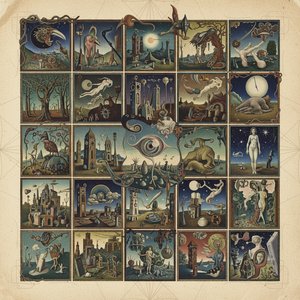
Oil On Canvas.

§ 1Dados do catálogo


Esta obra está protegida por direitos autorais
A obra de arte exibida nesta página é protegida por leis de direitos autorais, o que significa que não podemos criar ou vender legalmente uma reprodução idêntica. Esta proteção é aplicada por meio de acordos internacionais, tais como a Convenção de Berna e pelas leis nacionais, incluindo as estabelecidas por Lei de Direitos Autorais dos EUA - Título 17.
Como uma alternativa respeitosa e legal, oferecemos obras de arte personalizadas e pintadas à mão, inspiradas na obra original. Nossos artistas profissionais e experientes estudam cuidadosamente o estilo, a atmosfera e a essência artística da obra original para criar uma peça nova e única que evoque a mesma sensação — permanecendo como uma criação original por direito próprio.
Este método cumpre plenamente as regulamentações de direitos autorais, pois não envolve a cópia ou duplicação da obra protegida. Em vez disso, trata-se de uma reinterpretação criativa — uma nova pintura que é influenciada pela original, mas não idêntica a ela.
 Leia mais
§ 2Abstrato
Descrição do Item
Explore "Les Amanites" by Max Ernst! A surrealist masterpiece featuring circular forms & vibrant colors in an abstract expressionist style. Discover this unique artwork's beauty and significance.
Biografia do Artista
Explore o universo surreal de Max Ernst (1891-1976)! Pioneiro do Dada e Surrealismo, suas obras inovadoras usam frottage, colagens e paisagens oníricas com temas psicológicos. #MaxErnst #Surrealismo #Dada
§ 3Comentário
Les Amanites: A Journey into Ernst’s Surrealist Landscape
This captivating work by Max Ernst, *Les Amanites* (The Fly Agarics), invites viewers into a realm of subtle abstraction and psychological depth. While seemingly simple in its composition – three overlapping circular forms against a gradient backdrop – the painting embodies the core tenets of both Dadaism and Surrealism, movements that profoundly shaped 20th-century art.Decoding the Visual Language
The artwork features three distinct circles, varying in size, opacity, and hue. A dominant red circle anchors the composition, its boldness contrasted by a more translucent blue form. At the center lies a delicate white circle tinged with pink – a subtle focal point that draws the eye inward. The background smoothly transitions from a fiery red to a cool, calming blue, enhancing the sense of depth and creating an ethereal atmosphere. Ernst masterfully employs soft edges and blended colors, eschewing sharp lines for a dreamlike quality. This technique suggests movement and fluidity, inviting contemplation rather than demanding immediate interpretation.Technique & Materials
Likely executed in oil paints on canvas, *Les Amanites* showcases Ernst’s skillful handling of color and texture. The smooth surface indicates a blending or layering approach, creating seamless gradients and subtle tonal shifts. While brushstrokes are not overtly visible, they contribute to the overall sense of depth and luminosity. This refined technique is characteristic of Ernst's later work, demonstrating his evolving mastery of painterly skills alongside his conceptual explorations.Historical Context & Artistic Influences
Max Ernst (1891-1976) was a pivotal figure in the development of both Dada and Surrealism. Emerging from the disillusionment of World War I, Dada rejected logic and reason, embracing absurdity and anti-establishment sentiments. Ernst’s subsequent embrace of Surrealism allowed him to delve into the subconscious mind, exploring themes of dreams, desire, and the irrational. *Les Amanites* reflects this exploration through its ambiguous forms and evocative color palette. The title itself – referencing the fly agaric mushroom – hints at a symbolic layer. Fly agarics are known for their hallucinogenic properties, linking the artwork to altered states of consciousness and the realm of dreams, central themes in Surrealist art.Symbolism & Interpretation
The circular forms within *Les Amanites* can be interpreted on multiple levels. They evoke celestial bodies – planets or moons – suggesting cosmic themes and a sense of vastness. Alternatively, they may represent organic shapes, alluding to the natural world and the cyclical nature of life and death. The overlapping arrangement creates a dynamic interplay between form and space, hinting at hidden connections and underlying energies. The ambiguity inherent in Ernst’s work is intentional, encouraging viewers to project their own interpretations onto the canvas.Emotional Impact & Interior Design Considerations
*Les Amanites* evokes a sense of tranquility and mystery. The harmonious color palette, despite its contrasting elements, creates a calming effect. The artwork’s abstract nature makes it incredibly versatile for interior design. It would complement both modern and contemporary spaces, adding a touch of sophistication and intellectual depth. Its subtle hues work well with neutral palettes, while the bold red provides an accent color that can be echoed in surrounding furnishings. This piece is ideal for those seeking artwork that sparks conversation and invites contemplation – a statement piece that transcends mere decoration.Collecting & Reproductions
As a significant work by a leading Surrealist artist, *Les Amanites* holds considerable value for collectors. High-quality reproductions allow art enthusiasts to experience the beauty and intrigue of this painting in their own homes or offices. When selecting a reproduction, prioritize accurate color representation and attention to detail to capture the subtle nuances of Ernst’s technique.Perguntas e Respostas
Quem criou "Les Amanites" e em qual estilo se encontra?
Por trás de "Les Amanites" estão Max Ernst e o movimento Surrealism.
Qual é a identidade cromática de "Les Amanites", de Max Ernst?
"Les Amanites", de Max Ernst utiliza uma paleta Dark, com Brown (#b63121) como cor dominante.
Que atmosfera "Les Amanites", de Max Ernst traz a um ambiente?
"Les Amanites", de Max Ernst possui uma atmosfera Ethereal e é recomendado para um(a) Living Room. O clima é o que a obra traz para o espaço ao seu redor.



 Alternar para Impressão


 Para obras de arte ou reproduções com mais de 105 cm (aproximadamente 41 polegadas) em qualquer um dos lados, a moldura será enviada como um kit desmontado. Este método garante uma entrega segura e evita danos durante o transporte.