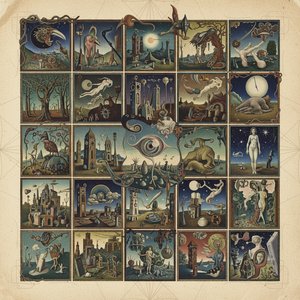
Lithograph.

§ 1Dados do catálogo


Esta obra está protegida por direitos autorais
A obra de arte exibida nesta página é protegida por leis de direitos autorais, o que significa que não podemos criar ou vender legalmente uma reprodução idêntica. Esta proteção é aplicada por meio de acordos internacionais, tais como a Convenção de Berna e pelas leis nacionais, incluindo as estabelecidas por Lei de Direitos Autorais dos EUA - Título 17.
Como uma alternativa respeitosa e legal, oferecemos obras de arte personalizadas e pintadas à mão, inspiradas na obra original. Nossos artistas profissionais e experientes estudam cuidadosamente o estilo, a atmosfera e a essência artística da obra original para criar uma peça nova e única que evoque a mesma sensação — permanecendo como uma criação original por direito próprio.
Este método cumpre plenamente as regulamentações de direitos autorais, pois não envolve a cópia ou duplicação da obra protegida. Em vez disso, trata-se de uma reinterpretação criativa — uma nova pintura que é influenciada pela original, mas não idêntica a ela.
 Leia mais
§ 2Abstrato
Descrição do Item
Senza titolo by Max Ernst: A surreal lithograph featuring books, snakes, and circles – explore its symbolism and discover more about Ernst’s groundbreaking artistic vision.
Biografia do Artista
Explore o universo surreal de Max Ernst (1891-1976)! Pioneiro do Dada e Surrealismo, suas obras inovadoras usam frottage, colagens e paisagens oníricas com temas psicológicos. #MaxErnst #Surrealismo #Dada
§ 3Comentário
A Descent into the Surrealist Labyrinth
To encounter Max Ernst’s “Senza titolo” is to step beyond the threshold of the rational world and enter a psychological landscape where the boundaries of reality begin to dissolve. Created in 1925, this evocative lithograph serves as a profound window into the mind of one of the twentieth century's most influential architects of the subconscious. Emerging from the intellectual tremors of the post-World War I era, Ernst utilized his art to navigate the wreckage of societal norms, drawing deeply from the burgeoning field of psychoanalysis. The work does not merely present a scene; it orchestrates an encounter with the uncanny, inviting viewers to wander through a dreamscape where every shadow and shape whispers of hidden truths and repressed desires.
The composition is a masterclass in what might be described as calculated chaos. At first glance, the eye is drawn to a collection of seemingly familiar objects—books, snakes, and geometric motifs—yet their arrangement defies the comfort of logic. Ernst employs a meticulous technique, utilizing fine hatching and precise contours that lend a startling sense of tactile reality to each element. This precision, however, is used to heighten the unsettling nature of the spatial arrangement. Books lean precariously against one another as if on the verge of collapse, creating an atmosphere of profound instability. A snake coils diagonally across the canvas, its movement disrupting linear perspective and injecting a primal, visceral tension into the scene. It is this very juxtaposition—the hyper-realistic rendering of objects set within an impossible, fractured space—that defines the haunting allure of Ernst’s Surrealist vision.
Symbolism and the Architecture of Dreams
Beneath the surface of this intricate arrangement lies a dense web of Freudian symbolism. For the discerning collector or art enthusiast, “Senza titolo” offers a rich tapestry of meaning to decode. The books, often representing the weight of human knowledge and intellectual pursuit, are depicted in a state of precarious balance, perhaps suggesting the fragility of reason when confronted by the overwhelming power of the irrational. The serpent, a recurring motif in Ernst’s oeuvre, acts as a potent symbol of instinctual drives—representing transformation, danger, and the untamed sexuality that resides within the human psyche. Even the circular motif at the periphery serves to anchor the viewer within a cyclical, dream-like logic that transcends time.
For those looking to integrate such a profound piece into a curated interior, “Senza titolo” provides an unparalleled focal point of intellectual depth and aesthetic intrigue. Whether displayed in a modern gallery-style setting or as a conversation piece within a sophisticated study, the artwork commands attention through its ability to provoke contemplation. It is more than a mere decoration; it is an invitation to explore the textures of the mind. A high-quality reproduction of this masterpiece allows the subtle nuances of Ernst’s hatching and the dramatic tonal variations to shine, bringing the restless, beautiful energy of the Surrealist movement into the contemporary home.
Perguntas e Respostas
Qual é a identidade cromática de "Senza titolo", de Max Ernst?
A identidade cromática de "Senza titolo", de Max Ernst: uma paleta Pastels, dominada por Putty (#eed4b7).
Quem criou "Senza titolo"?
O artista por trás de "Senza titolo" é Max Ernst. A obra está catalogada sob o nome de Max Ernst.
Existe um guia para "Senza titolo", de Max Ernst?
A página Ficha informativa de "Senza titolo", de Max Ernst oferece uma ficha informativa imprimível em duas folhas: a obra de arte com sua tabela de identificação, uma linha do tempo situando-a no período de vida do artista, outras obras do artista, a paleta de cores extraída e citações prontas para copiar em quatro estilos.



 Alternar para Impressão


 Para obras de arte ou reproduções com mais de 105 cm (aproximadamente 41 polegadas) em qualquer um dos lados, a moldura será enviada como um kit desmontado. Este método garante uma entrega segura e evita danos durante o transporte.