


 Visualizar em escala
 Enviar
 Compartilhar
 Ver detalhes
 Guia de Obras do Aluno

 Baixar imagem
 Semelhantes
 Raio X
 Apresentação de slides
 Estatísticas
Untitled (10)
 Acrylic On Canvas
- WallArt
- Surrealism
 1949
1949 23.0 x 19.0 cm
 Ver mais
A obra de arte exibida nesta página é protegida por leis de direitos autorais, o que significa que não podemos criar ou vender legalmente uma reprodução idêntica. Esta proteção é aplicada por meio de acordos internacionais, tais como a Convenção de Berna e pelas leis nacionais, incluindo as estabelecidas por Lei de Direitos Autorais dos EUA - Título 17.
Como uma alternativa respeitosa e legal, oferecemos obras de arte personalizadas e pintadas à mão, inspiradas na obra original. Nossos artistas profissionais e experientes estudam cuidadosamente o estilo, a atmosfera e a essência artística da obra original para criar uma peça nova e única que evoque a mesma sensação — permanecendo como uma criação original por direito próprio.
Este método cumpre plenamente as regulamentações de direitos autorais, pois não envolve a cópia ou duplicação da obra protegida. Em vez disso, trata-se de uma reinterpretação criativa — uma nova pintura que é influenciada pela original, mas não idêntica a ela.
Reprodução em Óleo Feita à Mão
Óleo sobre tela pintado à mão no tamanho e moldura de sua escolha, feito sob encomenda pelos nossos artistas. ( Alternar para Impressão Ver Imagem Digital)




P118B €10

P118H €10

P118W €10

P438Z €10

P508JH €12

P508YH €12

P805H €10

P805Z €10

P919BZ €10

P919G €10

P919XJ €10

P959ZH €10

P968JZ €12

W106C €8

W218G €10

W218JH €8

W218Y €10

W307PJ €10

W316G €10

W316PJ €8

W316Y €10

W398PJ €8

W4111J €10

W500HY €15

W500JH €15

W692G €12

W849H €8

W940BG €15

W953PJ €8




Escolha entre os nossos tamanhos pré-definidos que respeitam as proporções originais da obra de arte.

Digite a largura e a altura de que necessita, para se ajustar à sua moldura ou à sua parede. Esta obra é pintada à mão, por isso, para um tamanho com uma proporção diferente, o artista pode pintar um pouco mais ao redor da imagem ou cortar um pouco — você escolhe. Enviamos-lhe uma maquete digital para aprovação antes de a pintura começar. A imagem exibida nesta página não mostra o resultado real — apenas a maquete mostra.
Após o pedido, a equipa AllPaintingsStore.com enviará um e-mail ao cliente para solicitar instruções e fornecer uma prévia do esboço.
Entrega mundial () em 3 a 4 semanas, em vez das 5 semanas padrão. (23 Outubro). Sem comprometer a qualidade.

Envio expresso gratuito para todo o mundo

Tela de Linho Premium

Seguro de transporte total

Garantia de Reembolso de Impostos Alfandegários

Garantia de Fidelidade de Cor

Política de Devolução em 100 Dias (Apenas para Defeitos)

Garantia de reembolso de 100%

Desconto para múltiplas unidades
 A opção de vidro está disponível apenas para tamanhos inferiores a 110 cm

Untitled (10)
Técnica de Reprodução
Dimensões da Reprodução
-


Preço Total
€ 227
A Study in Restrained Brilliance: Max Ernst’s “Untitled (10)”
Max Ernst's "Untitled (10)," painted in 1949, is more than just a depiction of grapes on a wall; it’s a carefully constructed meditation on perception, isolation, and the subtle power of color. Measuring a modest 23 x 19 cm, this work invites us into a world where the familiar—a simple still life—is imbued with an unsettling quietude and a profound sense of psychological depth. The painting immediately draws the eye to the central cluster of grapes, rendered in rich, deep blues that seem to absorb light rather than reflect it. This deliberate choice of color establishes an atmosphere of introspection, hinting at hidden depths beneath the surface.
Ernst’s technique is characterized by a masterful control of texture and layering. The white sheet draped across the wall isn't merely a backdrop; it actively participates in the composition, creating a sense of enclosure and subtly disrupting our spatial understanding. The grapes themselves are painted with a delicate touch, their forms rendered with an almost photographic realism that contrasts sharply with the loose, gestural brushstrokes used to depict the surrounding space. This juxtaposition creates a tension between observation and interpretation, forcing us to actively engage with the artwork.
Roots in Surrealism and Dada
To fully appreciate “Untitled (10),” it’s crucial to understand Max Ernst's place within the artistic landscape of the early 20th century. Born in Brühl, Germany, in 1891, Ernst was a key figure in both the Dada and Surrealist movements. His early years were marked by a rejection of academic traditions and a fascination with psychological theories – he studied philosophy, art history, literature, psychology, and psychiatry at the University of Bonn. This intellectual grounding profoundly shaped his artistic approach, leading him to explore subconscious imagery, dreamlike scenarios, and unconventional techniques.
Dada, born out of the disillusionment following World War I, challenged conventional notions of art and embraced absurdity and chance. Ernst’s early collages, utilizing cut-and-pasted elements from magazines and advertisements, exemplify this spirit of experimentation. Surrealism, emerging in the 1920s, built upon Dada's principles while focusing on tapping into the realm of dreams and the unconscious mind. Ernst’s work frequently incorporates techniques like *frottage* (rubbing pencil over textured surfaces) and *grattage* (scraping paint across canvas), methods designed to unlock hidden imagery within the artist’s subconscious.
Symbolism and Emotional Resonance
The seemingly simple subject matter of “Untitled (10)” is rich with symbolic potential. The grapes, traditionally associated with abundance, fertility, and even mortality, take on a more ambiguous meaning in this context. Their placement against the stark white wall suggests a sense of isolation or perhaps a yearning for connection. The blue background evokes feelings of melancholy, introspection, and the vastness of the unknown – mirroring the artist’s own exploration of psychological themes.
The inclusion of the distant buildings in the background subtly anchors the scene within a recognizable reality, yet they remain indistinct, contributing to the overall atmosphere of detachment. It's this careful balance between the concrete and the abstract that elevates “Untitled (10)” beyond a mere still life; it becomes a poignant reflection on the human condition – a quiet meditation on beauty, loneliness, and the mysteries of perception.
A Reproduction for Your Space
AllPaintingsStore.com offers meticulously hand-painted reproductions of Max Ernst’s “Untitled (10),” capturing the artist's unique style and emotional depth with unparalleled accuracy. Each reproduction is created by skilled artisans using archival-quality materials, ensuring that your artwork will retain its vibrancy and beauty for generations to come. Whether you are a seasoned art collector or simply seeking to add a touch of sophisticated intrigue to your interior design, this reproduction provides an authentic and accessible way to experience the power of Max Ernst’s vision. Consider how the painting's cool blues and restrained palette can complement a variety of color schemes – perhaps pairing beautifully with warm neutrals or vibrant greens.
Perguntas e Respostas
Onde posso encontrar um guia para "Untitled (10)"?
Uma página de Guia está disponível para "Untitled (10)" de Max Ernst: uma ficha informativa imprimível sobre a obra, projetada para estudantes e uso em sala de aula.
"Untitled (10)" é uma obra famosa do Surrealism?
Dentro do movimento Surrealism, "Untitled (10)" possui um nível de popularidade Iconic.
Em que ano e em qual movimento foi feita a obra "Untitled (10)"?
"Untitled (10)" de Max Ernst data de 1949 e pertence ao Surrealism.
Obras Relacionadas


Biografia do Artista
A Vida Imersa no Surreal
Max Ernst, nascido Maximilian Maria Ernst em 1º de abril de 1891, em Brühl, Alemanha, foi um espírito inquieto destinado a se tornar uma das figuras mais cruciais do século XX na arte. Sua jornada não foi de treinamento artístico convencional; ao invés disso, foi uma exploração autoguiada, impulsionada por questionamentos filosóficos, fascínio psicológico e uma profunda desilusão com as normas sociais. Seu pai, professor surdo e pintor amador, lhe transmitiu tanto sensibilidade para o mundo quanto uma rebeldia contra a autoridade estabelecida. Essa dualidade precoce se tornaria uma característica definidora de sua visão artística.
Os estudos acadêmicos de Ernst na Universidade de Bonn – abrangendo filosofia, história da arte, literatura, psicologia e psiquiatria – não foram meras distrações, mas elementos fundamentais que informaram profundamente seu trabalho posterior. Ele não estava simplesmente interessado em *como* pintar; ele estava se questionando *por que*. Essa curiosidade intelectual o levou a encontrar as obras inovadoras de Picasso, Van Gogh e Gauguin na exposição Sonderbund em Colónia em 1912, um momento que alterou irreversivelmente sua trajetória artística. As sementes do modernismo haviam sido plantadas.
A Disrupção Dadaísta e o Nascimento das Visões Surrealistas
A catástrofe da Primeira Guerra Mundial se mostrou um ponto de inflexão para Ernst. Suas experiências como soldado em ambos os fronts, oriental e ocidental, o deixaram profundamente abalado, fomentando um ceticismo profundo em relação à ordem estabelecida e uma ânsia por novas formas de expressão. Essa desilusão encontrou terreno fértil no movimento Dada, que ele abraçou com entusiasmo após retornar a Colónia em 1918. Ao lado de Hans Arp – um amigo e colaborador de longa data –, Ernst se tornou uma figura central no grupo Dada de Colónia, rejeitando as convenções artísticas tradicionais e abraçando o absurdo, o acaso e a anti-racionalidade.
No entanto, Dada foi apenas um trampolim. Nos primeiros anos dos anos 1920, Ernst migrou para Paris e juntou-se ao Círculo Surrealista, liderado por André Breton. Isso marcou uma mudança em direção à exploração do reino dos sonhos, da mente inconsciente e do irracional. Influenciado pelas teorias psicanalíticas de Sigmund Freud, Ernst buscou desbloquear as profundezas ocultas da experiência humana através de sua arte. Ele não estava interessado em representar a realidade como ela aparecia, mas sim em revelar as forças psicológicas subjacentes que a moldavam.
Técnicas Pioneiras: Frottage, Grattage e Colagem
A inovação artística de Ernst se estendeu além do assunto; ele era um experimentador incansável com técnicas. Ele não simplesmente adotou métodos existentes—ele inventou novos. Talvez sua contribuição mais famosa seja o frottage, um processo de esfregar lápis ou carvão sobre superfícies texturizadas para criar imagens inesperadas e evocativas. Essa técnica, nascida de um momento de tédio ao observar a textura da madeira, permitiu que Ernst acessasse o inconsciente e gerasse formas que desafiavam o controle consciente. Relacionada intimamente estava o grattage, onde a tinta é raspada sobre a tela, revelando camadas subjacentes.
Ele também empregou magistralmente a colagem, montando elementos díspares – imagens de revistas, ilustrações científicas, fotografias – em composições surreais que desafiaram as noções convencionais de representação. Essas técnicas não eram meras escolhas estilísticas; elas eram integrais à sua exploração do inconsciente e ao seu desejo de perturbar os limites artísticos tradicionais. Suas pinturas frequentemente apresentam imagens simbólicas recorrentes: pássaros (particularmente seu alter ego Loplop), paisagens desoladas, combinações perturbadoras e uma sensação persistente de mistério.
Um Legado de Inovação e Influência
O início da Segunda Guerra Mundial forçou Ernst a fugir da Europa, encontrando refúgio nos Estados Unidos. Ele continuou a pintar e experimentar novas técnicas ao longo de seu exílio, eventualmente retornando à França após a guerra onde permaneceu ativo até sua morte em 1º de abril de 1976, em Paris. Sua influência nas gerações posteriores de artistas é imensurável.
As contribuições de Ernst para o Dada e o Surrealismo foram nada menos que inovadoras. Ele desafiou as normas artísticas, mergulhou nas profundezas da mente inconsciente e inventou técnicas que continuam a inspirar artistas hoje. Ele não era apenas um pintor; ele era um explorador, um provocador e um visionário que expandiu os limites da arte em si.
- Obras Notáveis: The Entire City, Euclides, Ofrenda funerária, The Angel of the Hearth
- Influências: Pablo Picasso, Vincent van Gogh, Paul Gauguin, Sigmund Freud, Giorgio de Chirico
- Movimentos: Dada, Surrealismo
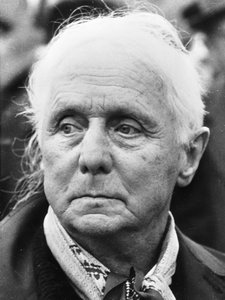
Max Ernst
1891 - 1976 , Alemanha
Informações Rápidas
- Artistic Movement Or Style: Dada e Surrealismo
- Artists Or Movements Influenced By This Artist:
- Surrealismo
- Dada
- Artists Who Influenced This Artist:
- Picasso
- Van Gogh
- Gauguin
- Date Of Birth: 1 de abril de 1891
- Date Of Death: 1 de abril de 1976
- Full Name: Max Ernst
- Nationality: Alemão-Americano, Francês
- Notable Artworks:
- Cidade Inteira
- Euclides
- Dove e Floresta
- Place Of Birth: Brühl, Alemanha
Artigos Relacionados

AllPaintingsStore.com F.A.Q.: Transform Your Space with Custom Wall Murals & Frescoes
Elevate your estate with AllPaintingsStore.com’s bespoke wall murals and frescoes. Hand-painted by master artists, our custom trompe l'oeil works transform ceilings and walls into breathtaking masterpieces of Renaissance and modern grandeur.

Transform Your Walls: Top Trending Mural Styles from Botanical Jungles to Gold Leaf Geometry
Elevate your hospitality projects with our expert trend forecast on luxury mural styles. From biophilic botanical jungles to sophisticated gold leaf geometry, discover how bespoke architectural art transforms hotel interiors into immersive, high-end experiences.


