


 Visualizar na parede
 Compartilhar
 Compartilhar
 Detalhes

 Baixar imagem
 Semelhantes
 Raio X
 Slideshow
Ignudo


 Ler mais
Giclée / Impressão de Arte
Impressão giclée ou em tela de qualidade de museu, com produção rápida e opções flexíveis de acabamento. ( Comprar pintura feita à mão Comprar imagem)




P118B $10

P118H $10

P118W $10

P438Z $10

P508JH $12

P508YH $12

P805H $10

P805Z $10

P919BZ $10

P919G $10

P919XJ $10

P959ZH $10

P968JZ $12

W106C $8

W218G $10

W218JH $8

W218Y $10

W307PJ $10

W316G $10

W316PJ $8

W316Y $10

W398PJ $8

W4111J $10

W500HY $15

W500JH $15

W692G $12

W849H $8

W940BG $15

W953PJ $8




Escolha entre os nossos tamanhos pré-definidos que respeitam as proporções originais da obra de arte.

Você pode inserir suas próprias dimensões para se ajustar a uma moldura ou espaço específico. Se o tamanho selecionado não corresponder às proporções da imagem original, iremos recortar a obra de arte ou estender a imagem com uma borda espelhada ou preenchimento sólido. Um mockup digital será enviado para sua aprovação antes do início da produção.
Por favor, observe que a visualização na tela não reflete o recorte ou a extensão real. Apenas o mockup mostrará com precisão a composição final.
Embora tamanhos personalizados estejam disponíveis, recomendamos selecionar uma dimensão da lista predefinida para preservar as proporções originais.
Entrega mundial () em 2 semanas, em vez das 4/5 semanas padrão. (24 Agosto)

Envio expresso gratuito para todo o mundo

Tela de Linho de Alta Qualidade

Seguro de transporte completo

Garantia de Reembolso de Impostos Alfandegários

Garantia de Fidelidade Cromática

Política de Devolução em 60 Dias (Apenas para Defeitos)

Garantia de reembolso de 100%

Oferta de desconto por quantidade
 A opção de vidro está disponível apenas para tamanhos inferiores a 110 cm

Ignudo
Giclée / Impressão de Arte
Tamanho da Reprodução
-


Preço Total
$ 64
Descrição do Colecionável
The Silent Strength of *Ignudo (29)*: A Window into Michelangelo’s Genius
Within the breathtaking grandeur of the Sistine Chapel ceiling lies a series of figures known as *Ignudi* – nude male forms rendered with an unparalleled mastery of anatomy and emotion. Among these captivating studies, *Ignudo (29)* stands out not merely for its technical brilliance but also for the profound sense of contemplation it embodies. Created in 1509 during Michelangelo’s ambitious undertaking to adorn Pope Julius II's chapel, this fresco offers a rare glimpse into the artist’s creative process and his deep understanding of the human condition. More than just anatomical studies, these figures represent a deliberate exploration of idealized beauty and inner stillness – qualities that resonate powerfully even centuries later.
Michelangelo’s commission to paint the Sistine Chapel ceiling was an immense undertaking, demanding not only artistic skill but also organizational prowess. The project, spanning from 1508 to 1512, involved a vast team of assistants and apprentices, yet Michelangelo maintained meticulous control over every detail, ensuring that his vision – a celebration of human form and biblical narrative – was faithfully realized. *Ignudo (29)* is part of a larger group of these figures, each presented in varying poses and states of repose, suggesting a deliberate study of the male nude as a subject of artistic exploration. The fresco’s palette is restrained, primarily utilizing earthy tones—ochres, siennas, and umbers—to create a sense of solidity and timelessness, further emphasizing the figure's sculptural quality.
The Anatomy of Emotion: A Study in Form and Feeling
What immediately draws the eye to *Ignudo (29)* is the sheer physicality of the subject. He’s depicted with powerfully sculpted muscles, a testament to Michelangelo’s profound understanding of human anatomy – honed through years of studying classical sculpture and dissecting cadavers. Yet, this isn't merely a celebration of physical strength; there’s an underlying sense of vulnerability and introspection in his posture. His hand rests gently on his head, a gesture that invites the viewer to contemplate his thoughts and feelings. The subtle curve of his spine, the slight tilt of his torso – these details contribute to a dynamic balance between power and serenity.
The background, subtly rendered with two indistinct figures, adds depth and complexity to the composition. These secondary forms aren’t merely decorative; they serve to frame the central figure, emphasizing his isolation and intensifying the feeling of quiet contemplation. The use of *contrapposto*, a technique where the weight shifts slightly from one leg to the other, creates a naturalistic sense of movement within the static pose, further enhancing the figure's lifelike quality.
Contextualizing the Masterpiece: Renaissance Ideals and Artistic Innovation
*Ignudo (29)* is inextricably linked to the broader artistic context of the High Renaissance. Michelangelo’s work reflects a renewed interest in classical ideals of beauty, proportion, and harmony – values that had been rediscovered through the study of ancient Greek and Roman art. However, unlike the idealized figures of classical sculpture, Michelangelo's *Ignudi* are imbued with a distinctly human quality, reflecting the Renaissance emphasis on individual experience and emotion. The fresco’s placement within the Sistine Chapel ceiling, alongside scenes from the Book of Genesis, underscores this connection to biblical narrative, suggesting that these nude figures represent humanity in its purest form – capable of both strength and contemplation.
Michelangelo's innovative use of *fresco* as a medium further elevates the significance of *Ignudo (29)*. Fresco painting involves applying pigments directly onto wet plaster, creating a durable and enduring image. This technique demanded meticulous planning and execution, requiring Michelangelo to work quickly and decisively while the paint was still wet. The immediacy of fresco allowed for a direct connection between the artist’s hand and the wall, resulting in a remarkably vibrant and textured surface.
Bringing *Ignudo (29)* Home: A Reproduction Worthy of Display
At AllPaintingsStore, we are proud to offer meticulously crafted oil painting reproductions of Michelangelo’s masterpieces, including *Ignudo (29)*. Our skilled artisans painstakingly recreate the original fresco's details, color palette, and textural nuances, ensuring that your reproduction captures the essence of this iconic artwork. Whether you’re an art enthusiast, a collector seeking to expand your collection, or simply someone looking for a stunning piece to adorn your home, our *Ignudo (29)* reproduction provides a beautiful and authentic representation of Michelangelo’s genius. Explore our other reproductions of *Ignudo* series – Ignudo (14), Ignudo (detail) and Ignudo (13) – to discover the full spectrum of Michelangelo’s artistic vision.
Photo Description: The image is a painting of a man with his hand on his head, possibly in the form of a statue or fresco. The man appears to be naked, with a muscular build. He has a look of contemplation on his face as he rests his hand on his head. In addition to the main figure, there are two other people visible in the painting. One person is located near the top left corner and another person can be seen at the bottom right corner. The background features a chair situated towards the lower left side of the image. Size: Unknown Date: 1509 ARTIST INFORMATION: ================== Artist: Michelangelo Buonarroti Birth Year: 1475 Death Year: 1564 Birth City: Caprese Michelangelo Birth Country: Italy Biography:A Renaissance Forged in Stone and Paint
Michelangelo di Lodovico Buonarroti Simoni, a name synonymous with the High Renaissance, resonates through centuries as a testament to human artistic potential. Born on March 6, 1475, in Caprese Michelangelo, nestled in the Tuscan hills of Italy, his life was an extraordinary convergence of talent, ambition, and divine inspiration. Though initially met with resistance from his father Ludovico regarding an artistic path, young Michelangelo’s innate gift for drawing proved undeniable, setting him on a course to redefine the boundaries of sculpture, painting, and architecture. His early apprenticeship under Domenico Ghirlandaio provided foundational skills in fresco and draftsmanship, but it was within the Medici gardens—a haven of classical antiquity—that his artistic soul truly awakened. Immersed in the study of Greek and Roman sculptures, Michelangelo absorbed the principles of anatomy, proportion, and idealized beauty that would become hallmarksObras Relacionadas


Biografia do Artista
Uma Renascença Forjada em Pedra e Tinta
Michelangelo Buonarroti, um nome sinônimo do Alto Renascimento, ecoa através dos séculos como um testemunho do potencial artístico humano. Nascido em 6 de março de 1475, em Caprese Michelangelo, aninhado nas colinas toscanas da Itália, sua vida foi uma extraordinária convergência de talento, ambição e inspiração divina. Embora inicialmente tenha encontrado resistência de seu pai em relação a um caminho artístico, o dom inato do jovem Michelangelo para o desenho provou ser inegável, lançando-o em um curso para redefinir os limites da escultura, pintura e arquitetura. Seu aprendizado inicial com Domenico Ghirlandaio forneceu habilidades fundamentais em afresco e desenho, mas foi nos jardins dos Medici – um refúgio da antiguidade clássica – que sua alma artística realmente despertou. Imerso no estudo de esculturas gregas e romanas, Michelangelo absorveu os princípios da anatomia, proporção e beleza idealizada que se tornariam as marcas registradas de seu estilo. Este período formativo não foi apenas treinamento técnico; foi uma imersão filosófica nos ideais humanistas florescendo durante o Renascimento, uma ênfase na dignidade e potencial humano que moldou profundamente sua visão artística.Da Dor da Pietà à Força do Davi
A ascensão de Michelangelo no mundo da arte foi notavelmente rápida. Em 1496, ele viajou para Roma, onde recebeu seu primeiro grande encargo: a escultura da *Pietà*. Concluída em 1499 para o cardeal Jean de Bilhères, esta deslumbrante obra-prima de mármore – agora abrigada na Basílica de São Pedro – estabeleceu imediatamente Michelangelo como um escultor de habilidade e profundidade emocional incomparáveis. A beleza serena e a pungente tristeza capturadas no rosto de Maria embalando o corpo de Cristo foram revolucionárias, demonstrando uma capacidade de imbuir pedra fria com profundo sentimento humano. Este sucesso inicial abriu caminho para sua próxima empreitada monumental: *David*. Esculpida entre 1501 e 1504 a partir de um único bloco de mármore de Carrara, a estátua com mais de cinco metros de altura tornou-se um símbolo dos ideais republicanos florentinos – uma encarnação desafiadora de força, coragem e virtude cívica. A precisão anatômica, a pose dinâmica e a intensidade psicológica do *David* foram sem precedentes, solidificando a reputação de Michelangelo como um mestre escultor capaz de dar vida à pedra. Não era apenas a escala que impressionava; era o palpável senso de energia contida, a antecipação da ação congelada no mármore, que cativava os espectadores então e continua a fazê-lo hoje.A Capela Sistina: Uma Tela Divina
Talvez o legado mais duradouro de Michelangelo esteja nas paredes da Capela Sistina. Em 1508, o Papa Júlio II o encarregou de pintar o teto da capela – uma tarefa que consumiria quatro anos de sua vida e alteraria para sempre o curso da arte ocidental. Inicialmente relutante, considerando-se principalmente um escultor, Michelangelo ainda assim aceitou o desafio, embarcando em um ciclo monumental de afrescos retratando cenas do Gênesis. Trabalhando em condições árduas, muitas vezes deitado de costas por horas, ele pintou mais de 300 figuras com detalhes impressionantes e brilhantismo composicional. *A Criação de Adão*, talvez a imagem mais icônica do teto da capela, captura a faísca divina passando entre Deus e a humanidade – um poderoso símbolo de criação e potencial. Além deste painel famoso, todo o ciclo é uma prova do poder narrativo de Michelangelo, seu domínio da anatomia e sua capacidade de transmitir conceitos teológicos complexos por meio da narrativa visual. Simultaneamente, ele começou a trabalhar no túmulo do Papa Júlio II – um projeto ambicioso que permaneceria inacabado em sua grandeza original, mas rendeu esculturas poderosas como *Moisés*.Arquitetura, Maneirismo e uma Influência Duradoura
Nos anos posteriores de sua vida, os talentos de Michelangelo se estenderam à arquitetura. Em 1520, ele tornou-se arquiteto da Basílica de São Pedro em Roma, alterando significativamente o projeto original de Bramante com um plano mais imponente e estruturalmente sólido. Esta transição marcou uma mudança para o Maneirismo – um estilo caracterizado por formas alongadas, poses exageradas e composições dramáticas. Essa evolução estilística é vividamente aparente em *O Juízo Final*, pintado na parede do altar da Capela Sistina entre 1536 e 1541. O afresco retrata a Segunda Vinda de Cristo com uma sensação avassaladora de drama e intensidade emocional, refletindo um clima espiritual mais turbulento. A influência de Michelangelo se estendeu muito além de sua própria vida. Ele impactou profundamente os movimentos artísticos do Alto Renascimento e Maneirismo, inspirando gerações de artistas com sua precisão anatômica, composições dinâmicas e profunda exploração da condição humana.Um Legado Gravado no Tempo
Michelangelo morreu em 18 de fevereiro de 1564, em Roma, deixando para trás um corpo incomparável de trabalho que continua a cativar e inspirar. Ele permanece uma figura imponente na história da arte – o quintessential “homem renascentista” – cujas esculturas, pinturas e projetos arquitetônicos moldaram nossa compreensão de beleza, poder e potencial humano. Seu legado não é apenas um de conquista artística; é um testemunho do poder duradouro da criatividade, dedicação e busca implacável pela perfeição. Ele demonstrou que a arte poderia transcender a mera representação, tornando-se um veículo para expressão espiritual e emocional profunda. Os ecos de seu gênio ressoam em museus e igrejas ao redor do mundo, garantindo que Michelangelo Buonarroti seja para sempre lembrado como um dos maiores artistas que já viveram.- Influências: Antiguidade Clássica (escultura grega e romana), Humanismo Renascentista, tradição artística florentina (Donatello, Masaccio).
- Obras-chave: *Pietà*, *David*, afrescos do teto da Capela Sistina (*A Criação de Adão*), *O Juízo Final*, Túmulo de Júlio II.
- Estilo Artístico: Inicialmente Idealismo Clássico, evoluindo para um Maneirismo dinâmico e expressivo.
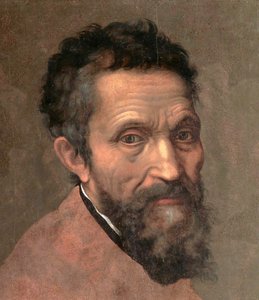
Michelangelo Buonarroti
1475 - 1564 , Itália
Dados Rápidos
- Artistas Que Influenciaram:
- Donatello
- Masaccio
- Artistas/Movimentos Influenciados:
- Renascimento
- Maneirismo
- Data Da Morte: 18 de fevereiro de 1564
- Data De Nascimento: 6 de março de 1475
- Local De Nascimento: Caprese, Itália
- Movimento Artístico: Renascimento, Maneirismo
- Nacionalidade: Italiano
- Nome Completo: Michelangelo Buonarroti
- Obras Notáveis:
- David
- Pietà
- Teto da Capela Sistina
Artigos Relacionados

Michelangelo Buonarroti: As 25 Obras-Primas que Definem um Gênio da Arte Renascentista
Descubra as 25 obras-primas de Michelangelo Buonarroti, o gênio da Renascença! Explore a história por trás do David, Pietà e os afrescos da Capela Sistina. Encontre reproduções de arte exclusivas e inspire sua decoração em AllPaintingsStore.com.

The Enduring Legacy of Fresco Painting: Techniques, History & Contemporary Relevance
Explore the rich history & enduring artistry of fresco painting – from Giotto to Michelangelo! Discover techniques, conservation efforts, & modern applications. Learn how AllPaintingsStore brings this timeless art form to your home.

Esculturas em Bronze Icônicas: 10 Obras que Revolucionaram a Arte | AllPaintingsStore
Descubra as 10 esculturas em bronze mais icônicas da história! Explore a arte de Rodin, Michelangelo e outros mestres. Encontre reproduções de alta qualidade para sua casa em AllPaintingsStore.com.
O Afresco como Legado Familiar: Preservando a Herança Através da Arte Mural
Descubra o afresco como legado familiar! Explore a história, técnica e conservação da pintura mural. Encontre reproduções de alta qualidade em .

As 10 Obras em Bronze Mais Icônicas que Transformaram a História da Arte | AllPaintingsStore
Descubra as 10 esculturas em bronze mais influentes da história! Explore a arte de Rodin, Michelangelo e outros mestres. Reproduções de alta qualidade para decorar sua casa com elegância. AllPaintingsStore.


