


 Visualizar em escala
 Enviar
 Compartilhar
 Ver detalhes
 Guia
Guia

 Baixar imagem
 Semelhantes
 Raio X
 Apresentação de slides
 Estatísticas
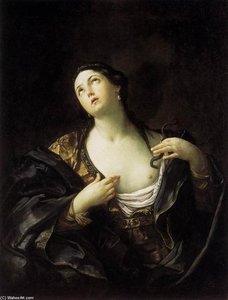
Salome with the Head of the Baptist
 72.0 x 57.0 cm
 Museu de Belas Artes (Budapeste)
 Ver mais
Reprodução em Óleo Feita à Mão
Óleo sobre tela pintado à mão no tamanho e moldura de sua escolha, feito sob encomenda pelos nossos artistas. ( Alternar para Impressão Ver Imagem Digital)




































Escolha entre os nossos tamanhos pré-definidos que respeitam as proporções originais da obra de arte.

Pode inserir as suas próprias dimensões para se adequar a uma moldura ou espaço específico. Se o tamanho selecionado não corresponder às proporções da imagem original, iremos cortar a obra de arte ou estender a pintura com elementos adicionais pintados à mão. Um esboço digital será enviado para sua aprovação antes do início da produção.
Tenha em atenção que a pré-visualização no ecrã não reflete o corte ou extensão real. Apenas o esboço mostrará com precisão a composição final.
Embora tamanhos personalizados estejam disponíveis, recomendamos selecionar uma dimensão da lista predefinida para preservar as proporções originais.
Após o pedido, a equipa AllPaintingsStore.com enviará um e-mail ao cliente para solicitar instruções e fornecer uma prévia do esboço.
Entrega mundial () em 3 a 4 semanas, em vez das 5 semanas padrão. (21 Setembro). Sem comprometer a qualidade.

Envio expresso gratuito para todo o mundo

Tela de Linho Premium

Seguro de transporte total

Garantia de Reembolso de Impostos Alfandegários

Garantia de Fidelidade de Cor

Política de Devolução em 100 Dias (Apenas para Defeitos)

Garantia de reembolso de 100%

Desconto para múltiplas unidades
 A opção de vidro está disponível apenas para tamanhos inferiores a 110 cm

Salome with the Head of the Baptist
Técnica de Reprodução
Dimensões da Reprodução
-


Preço Total
$ 258
Obras Relacionadas




Biografia do Artista
Domenico Piola: The Architect of Genoese Ceilings
Domenico Piola, born in Genoa around 1627 and passing away in 1703, stands as a pivotal figure in the artistic landscape of his era. More than simply a painter, he was the driving force behind the Piola family studio – *Casa Piola* – which for nearly a century dominated the decoration of ceilings throughout Genoa’s churches and palaces. His legacy isn't defined by individual masterpieces hanging in grand museums, but rather by the sheer scale and enduring beauty of his collaborative work, transforming interiors with intricate designs and vibrant color palettes. Piola’s influence stemmed not just from technical skill, but also a shrewd understanding of patronage and a remarkable ability to manage and direct a large artistic enterprise.- Early Influences & Training: Piola's artistic journey began under the tutelage of his older brother-in-law, Stefano Camogli, a respected Genoese painter. However, it was his connection to his elder brother, Pellegrino Piola, and ultimately, the guidance of Giovanni Domenico Cappellino – a prominent Baroque artist from Florence – that truly shaped his style. Cappellino’s influence is particularly evident in Piola's early works, characterized by a refined elegance and attention to detail. These formative years instilled in him not just painting techniques but also an appreciation for classical composition and the dramatic use of light and shadow—elements crucial to the Baroque aesthetic.
- The Rise of Casa Piola: The Piola family studio wasn’t merely a workshop; it was a fully-fledged artistic operation. Following Pellegrino's death, Domenico took on the mantle of leadership, expanding the studio’s scope and establishing a system for managing complex ceiling projects. This involved not just painting but also overseeing the work of skilled craftsmen – sculptors, woodworkers, ceramicists, and metalworkers—ensuring a cohesive and visually stunning result. The studio's efficiency was remarkable; they streamlined the design process, creating standardized elements that could be adapted to suit individual client needs while maintaining a consistent artistic quality.
A Master of Baroque Ceiling Decoration
Piola’s primary contribution lies in his mastery of ceiling decoration – a demanding and complex art form. He didn't simply paint on flat surfaces; he created entire illusionistic worlds, employing techniques like *trompe-l'oeil* to simulate architectural elements, landscapes, and even figures appearing to float within the confines of the room. His work frequently featured allegorical scenes, religious narratives, and mythological subjects, all rendered with a remarkable level of detail and emotional intensity. The Piola studio’s output is characterized by a vibrant use of color—rich reds, blues, and golds—combined with intricate patterns and textures that drew the eye and created a sense of depth and grandeur.- Notable Commissions: Domenico Piola's name is inextricably linked to some of Genoa’s most iconic spaces. He was instrumental in decorating numerous churches, including the Duomo di San Lorenzo, and palaces such as Palazzo Rosso and Palazzo Doria Tursi. His work in the Palazzo Rosso, particularly the *Four Seasons* cycle alongside Gregorio de’ Ferrari, stands as a testament to his skill and collaborative spirit. The meticulous planning and execution of these projects required not only artistic talent but also exceptional organizational abilities – qualities that cemented Piola's reputation as a master administrator.
- Technique & Style: While deeply influenced by Cappellino, Piola developed his own distinctive style—characterized by a dynamic sense of movement and a heightened emotionalism. His compositions are often asymmetrical, creating a feeling of spontaneity and drama. He skillfully employed *chiaroscuro* – the dramatic contrast between light and dark—to heighten the illusionistic effect and draw attention to key elements within the scene. His use of perspective was particularly noteworthy, contributing significantly to the overall sense of depth and realism.
Beyond the Canvas: Design & Collaboration
Piola’s influence extended beyond painting itself. The *Casa Piola* studio wasn't solely focused on decorative painting; it also produced designs for sculptures, ceramics, and woodwork—integrating various artistic disciplines into a unified aesthetic vision. This holistic approach was crucial to the success of the studio, ensuring that every element of the interior decoration complemented and enhanced the overall effect. Furthermore, Piola actively mentored younger artists, fostering a tradition of excellence within his family and contributing to the development of Genoese art in the 17th century.- Family Legacy: The Piola family’s artistic legacy extended far beyond Domenico himself. His three sons and two sons-in-law all contributed to the studio's output, ensuring its continued success for generations. This collaborative environment fostered a culture of innovation and experimentation, allowing the studio to adapt to changing tastes and client demands while maintaining a high level of quality. The Piola family’s influence on Genoese art is profound—they essentially shaped the visual identity of the city’s most important buildings during this period.
Historical Significance & Lasting Impact
Domenico Piola's work represents a crucial chapter in the history of Baroque painting. He wasn’t merely a skilled artist; he was a pioneer—a master of ceiling decoration who revolutionized the way interiors were conceived and executed. His ability to manage a large artistic enterprise, combined with his technical skill and innovative approach, established a precedent for future generations of artists and designers. While much of his work remains hidden within the walls of Genoese churches and palaces, its enduring beauty continues to inspire awe and admiration—a testament to the legacy of this remarkable artist.
onorio marinari
1627 - 1715 , Italy
Informações Rápidas
- Artistic Movement Or Style: Baroque
- Artists Or Movements Influenced By This Artist: ['Casa Piola Studio']
- Artists Who Influenced This Artist:
- Stefano Camogli
- Giovanni Domenico Cappellino
- Date Of Birth: 1627
- Date Of Death: 1703
- Full Name: Domenico Piola
- Nationality: Italian
- Notable Artworks:
- Communion of Clare of Montefalco
- Decoration Palazzo Rosso
- Place Of Birth: Genoa, Italy

