

Acrylic On Canvas.

§ 1Catalogue data

Esta obra está protegida por direitos autorais
A obra de arte exibida nesta página é protegida por leis de direitos autorais, o que significa que não podemos criar ou vender legalmente uma reprodução idêntica. Esta proteção é aplicada por meio de acordos internacionais, tais como a Convenção de Berna e pelas leis nacionais, incluindo as estabelecidas por Lei de Direitos Autorais dos EUA - Título 17.
Como uma alternativa respeitosa e legal, oferecemos obras de arte personalizadas e pintadas à mão, inspiradas na obra original. Nossos artistas profissionais e experientes estudam cuidadosamente o estilo, a atmosfera e a essência artística da obra original para criar uma peça nova e única que evoque a mesma sensação — permanecendo como uma criação original por direito próprio.
Este método cumpre plenamente as regulamentações de direitos autorais, pois não envolve a cópia ou duplicação da obra protegida. Em vez disso, trata-se de uma reinterpretação criativa — uma nova pintura que é influenciada pela original, mas não idêntica a ela.
 Leia mais
§ 2Abstract
Descrição do Item
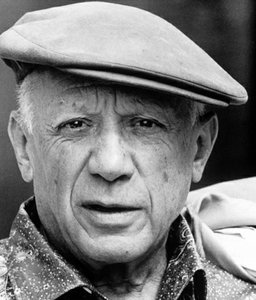
Biografia do Artista
Pablo Picasso (1881-1973) foi um revolucionário pintor e escultor espanhol, cofundador do Cubismo e mestre de diversos estilos. Conhecido por obras icônicas como Guernica, seu legado continua a inspirar o mundo.
§ 3Commentary
Pablo Picasso’s “Ecce Homo”: A Reflection on Suffering and Redemption
Pablo Picasso's etching and aquatint print, "Ecce Homo," after Rembrandt’s biblical depiction of Jesus before Pilate, stands as a testament to the enduring power of artistic influence and Picasso’s masterful ability to distill profound emotion into visual form. Executed in 1970 during his prolific later years, this artwork isn't merely a reproduction; it’s an interpretation imbued with Picasso’s distinctive stylistic signature—a deliberate homage to Rembrandt’s iconic masterpiece while simultaneously forging its own path toward conveying universal themes of vulnerability and acceptance.
- Subject Matter: The print portrays Jesus Christ presented before Pontius Pilate, a pivotal moment in Christian scripture depicting the trial and impending crucifixion. Picasso skillfully captures the solemn dignity of Jesus’s posture—his gaze downward, his hands outstretched—reflecting both physical exhaustion and spiritual contemplation.
- Style & Technique: Picasso adopted Rembrandt's chiaroscuro technique – dramatic contrasts between light and dark – to heighten the emotional impact of the scene. The meticulous etching process allowed for incredible detail, capturing the textures of Jesus’s robe and Pilate’s face with remarkable precision. This painstaking craftsmanship underscores Picasso’s dedication to conveying psychological depth through visual representation.
- Historical Context: Rembrandt's original painting served as a powerful symbol of compassion and sacrifice during its time, resonating deeply within the religious landscape of 17th-century Holland. Picasso recognized this legacy and responded with his own artistic meditation on suffering—a theme prevalent throughout Picasso’s oeuvre, particularly in his explorations of human emotion and existential concerns.
- Symbolism: The downward gaze of Jesus embodies humility and acceptance of fate – a poignant contrast to Pilate's stern expression representing authority and judgment. The print speaks to the broader humanist impulse to confront mortality and grapple with questions of morality, mirroring Rembrandt’s original intention to evoke empathy for Christ’s plight.
- Emotional Impact: “Ecce Homo” transcends its biblical subject matter, inviting viewers to contemplate themes of vulnerability, compassion, and spiritual resilience. Picasso's masterful rendering captures the essence of human experience—the confrontation with pain and the yearning for grace—making it a timeless artwork that continues to inspire contemplation and provoke emotional resonance.
This stunning reproduction offers collectors and interior designers alike an opportunity to appreciate Picasso’s artistic genius while honoring the legacy of Rembrandt's seminal work. Its nuanced portrayal of human emotion and masterful technique guarantees it will be a cherished addition to any art collection.
Perguntas e Respostas
A qual estilo pertence "Ecce homo"?
O movimento associado a "Ecce homo", de Pablo Picasso é Cubist Influence. Esta classificação situa a obra entre artistas e obras de arte relacionados.
"Ecce homo", de Pablo Picasso está em domínio público?
"Ecce homo", de Pablo Picasso está em ainda protegido por direitos autorais. Este status determina como a imagem da obra pode ser reproduzida.
Como o meio e o movimento se combinam em "Ecce homo"?
"Ecce homo", de Pablo Picasso combina a técnica de Acrylic On Canvas com o estilo Cubist Influence. Técnica e movimento descrevem a execução e o estilo da obra.


 Alternar para Impressão


 Para obras de arte ou reproduções com mais de 105 cm (aproximadamente 41 polegadas) em qualquer um dos lados, a moldura será enviada como um kit desmontado. Este método garante uma entrega segura e evita danos durante o transporte.


