

1877. Acrylic On Canvas.

§ 1Dados do catálogo


§ 2Abstrato
Descrição do Item
Explore Cézanne’s legacy at Louveciennes and discover similar orchard landscapes in ‘Orchard at Louveciennes’ by Renoir. Purchase high-quality reproductions at AllPaintingsStore.
 Ler mais
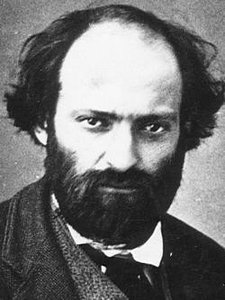
Biografia do Artista
Descubra Paul Cézanne (1839-1906): Pioneiro pós-impressionista ligando Impressionismo e Cubismo. Explore formas geométricas, naturezas mortas e seu legado na arte moderna! #Cézanne
§ 3Comentário
The Orchard: A Pioneering Vision of Landscape
Paul Cézanne’s “The Orchard” (1877) isn't merely a depiction of fruit trees; it represents a pivotal moment in art history—a defiant assertion that Impressionism’s fleeting observations could be superseded by a deeper engagement with form and structure. This oil on canvas captures the tranquil beauty of an orchard nestled within the French countryside, yet Cézanne’s approach transcends simple representation, establishing him as one of the foremost figures shaping Post-Impressionism and profoundly influencing subsequent artistic movements.Style and Technique: Beyond Impressionistic Illusion
While undeniably rooted in Impressionist principles—evident in Cezanne's use of luminous color palettes inspired by Monet and Renoir – “The Orchard” decisively abandons Impressionism’s preoccupation with capturing atmospheric effects. Cézanne meticulously dismantles the illusion of depth, prioritizing geometric simplification rather than optical blending. Thick brushstrokes dominate the canvas, creating palpable texture and emphasizing underlying shapes—cylinders, cones, and planes—that define the tree trunks and branches. This technique isn't about faithfully reproducing what the eye sees; it’s about conveying Cézanne’s internal perception of the scene, a deliberate departure from Impressionistic realism. The artist sought to distill nature into its essence, presenting it as an immutable framework upon which color and light play out.Elements of Composition: Scale and Spatial Harmony
The painting's composition is carefully considered, reflecting Cézanne’s fascination with spatial relationships. A modest farmhouse sits within the orchard, providing a grounding element against the expansive backdrop of trees—primarily pears—creating a sense of scale that invites contemplation. Cézanne arranges the tree trunks in overlapping planes, subtly receding into the distance and generating an illusion of depth without resorting to traditional perspective. The placement of individual branches and leaves contributes to this visual dynamism, guiding the viewer’s eye across the canvas and reinforcing the feeling of organic growth and interconnectedness.Historical Context: Challenging Artistic Conventions
“The Orchard” emerged during a period of artistic ferment—the late 1870s—as Impressionism began to lose its dominance among critics and artists alike. Cézanne’s bold experimentation challenged established conventions, signaling the arrival of Post-Impressionism and paving the way for Cubism and Futurism. His rejection of Impressionistic idealism coincided with a growing interest in exploring psychological depth and conveying subjective experience—themes that would become central to artistic discourse throughout the 20th century. Cézanne’s unwavering conviction in his vision solidified him as an iconoclast, forever altering the trajectory of modern art.Symbolism and Emotional Impact: Capturing Tranquility and Resilience
Beyond its formal innovations, “The Orchard” resonates with symbolic significance. The orchard itself represents fertility, abundance, and the cyclical rhythms of nature—themes frequently explored in Impressionist landscapes. However, Cézanne imbues the scene with a palpable sense of stillness and contemplation, reflecting his own introspective tendencies. The sturdy trunks of the trees symbolize resilience and permanence amidst the ephemeral beauty of springtime blossoms. Viewing “The Orchard” evokes feelings of serenity and appreciation for the natural world—a testament to Cézanne’s ability to transform observation into profound artistic expression.- For more information on Paul Cézanne and his works, visit https://AllPaintingsStore.com.
- Explore similar artworks at /art/list/?Filter=8EWQ3S-Pierre-Auguste-Renoir-Orchard-at-Louveciennes-the-English-Pear-Tree.
- Discover high-quality reproductions of “The Orchard” at https://AllPaintingsStore.com.
Perguntas e Respostas
As cores de "The Orchard" são vibrantes ou suaves?
A cor de "The Orchard" apresenta Balanced Soft de saturação e Balanced de intensidade.
Qual é o formato de "The Orchard"?
"The Orchard", de Paul Cézanne possui um formato Portrait. O formato descreve as proporções da composição.
As cores de "The Orchard" parecem intensas ou suaves?
A intensidade de cor de "The Orchard" é Balanced. A intensidade descreve o quão vibrantes as cores parecem ser.


 Alternar para Impressão


 Para obras de arte ou reproduções com mais de 105 cm (aproximadamente 41 polegadas) em qualquer um dos lados, a moldura será enviada como um kit desmontado. Este método garante uma entrega segura e evita danos durante o transporte.


