


 Visualizar em escala
 Enviar
 Compartilhar
 Ver detalhes

 Baixar
 Semelhantes
 Raio X
 Apresentação de slides
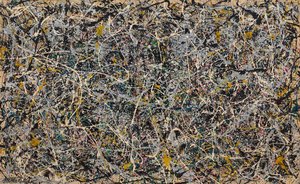
Untitled 25

 Ver mais
Adquira uma imagem digital de alta resolução e aprimorada, muito superior à prévia online.
Cada arquivo é meticulosamente preparado por nossos especialistas internos, utilizando ferramentas avançadas e retoques manuais de alta precisão. Garantimos que cada imagem apresente clareza excepcional, fidelidade de cores e detalhes minuciosos.
O arquivo final é entregue por e-mail em até 72 horas, otimizado para uso imediato em ambientes profissionais, editoriais e de impressão. Esta é a mesma qualidade utilizada por estúdios de design de alto nível, editoras e galerias.
Imagem Digital
Baixe um arquivo de alta resolução para exibição pessoal, impressão e projetos criativos. ( Encomendar impressão Encomendar reprodução pintada à mão)
Incluído em cada pedido de imagem digital
Entrega Digital Especializada e Garantida
Ao escolher o AllPaintingsStore.com, você não está apenas adquirindo uma imagem — você está recebendo uma obra de arte digital profissionalmente aprimorada, elaborada com precisão e com garantia de satisfação. Aqui está tudo o que acompanha seu pedido, automaticamente:

Entrega rápida por e-mail
O seu arquivo de imagem digital em alta resolução será enviado por e-mail em até 72 horas após o pedido — pronto para uso imediato.

Arquivo Digital com IA Otimizado
Sua obra de arte é otimizada profissionalmente por meio de ferramentas avançadas de IA e edição manual, garantindo o máximo de detalhes, clareza e precisão de cores.

Reenvio gratuito vitalício
Apagou ou perdeu o seu ficheiro acidentalmente? Não se preocupe – nós reenviamos para si a qualquer momento, gratuitamente.

Sem Taxas de Importação - Sempre
Desfrute da sua obra de arte instantaneamente, sem taxas alfandegárias, impostos ou custos de entrega — downloads digitais são sempre isentos de taxas.

Garantia de Precisão de Cores
Garantimos que sua imagem digital reflita as cores originais com a maior fidelidade possível, utilizando ferramentas profissionais e gerenciamento de cores.

Garantia de Satisfação de 60 Dias
Se você não estiver satisfeito com sua imagem digital, nós a revisaremos ou reembolsaremos 100% dentro de 60 dias — sem perguntas.

Garantia de Reembolso 100%
Não está satisfeito? Receba o reembolso total em até 60 dias após o recebimento do seu arquivo digital — sem perguntas.

Descontos para pedidos em lote
Compre 3 imagens, economize 10% - Compre 5, economize 15% - Compre 10+, economize 20%. Ideal para projetos criativos, galerias e agências.
Descrição do Colecionável
A Dance of Chaos and Color: Unpacking Paul Jackson Pollock’s “Untitled 25”
Paul Jackson Pollock's "Untitled 25" stands as a cornerstone of Abstract Expressionism, embodying the movement’s radical departure from representational art and its embrace of spontaneity and subconscious exploration. Painted in 1948 during his prolific period at Black Mountain College, this canvas pulsates with an energy that transcends mere pigment; it's a visual manifestation of process itself—a testament to Pollock’s revolutionary technique and a reflection of the anxieties and aspirations shaping postwar American culture.The Method Behind the Madness: Action Painting
Pollock’s approach to painting was unlike anything seen before. Abandoning traditional brushes, he opted for “drip” or “splatter,” pouring paint onto an unstretched canvas laid horizontally on the floor. Using sticks, knives, and even syringes, he manipulated the paint with rhythmic movements—a process he termed "action painting." This method wasn’t about meticulously crafting a finished image but rather allowing chance to guide the composition. As Pollock famously stated, “I have no fears about making changes, destroying the image, etc., because the painting has a life of its own.” The resulting surface is characterized by interwoven layers of pigment—thickly applied drips and splatters interspersed with thinner washes—creating a textured tapestry that defies easy categorization.Symbolism Within the Flow
While ostensibly rejecting symbolism in favor of pure abstraction, “Untitled 25” nevertheless speaks volumes about the artist’s inner state. The prominent birds scattered across the canvas aren't merely decorative elements; they represent freedom and aspiration—themes central to Pollock’s worldview and mirroring the broader cultural preoccupation with overcoming constraints during the postwar era. Their placement is deliberate, drawing the eye upwards and suggesting a yearning for transcendence. Similarly, the clock – positioned on the right side – could be interpreted as a commentary on time's relentless march and perhaps an acknowledgement of mortality—a poignant juxtaposition within the seemingly carefree dance of color and texture.Historical Context: The Rise of Abstract Expressionism
“Untitled 25” emerged during a period of profound artistic upheaval following World War II. Artists like Pollock, Willem de Kooning, Mark Rothko, and Jackson Pollock were rejecting European Surrealist influences and forging their own path toward emotional expression. They sought to capture the psychological impact of trauma and disillusionment—the anxieties surrounding nuclear weapons and the pervasive sense of uncertainty about the future—through non-figurative art that prioritized feeling over intellect. This painting exemplifies the movement’s core tenets: immediacy, spontaneity, and a rejection of illusionistic representation.Emotional Resonance: A Window into Pollock's Soul
Ultimately, “Untitled 25” succeeds in conveying a palpable sense of dynamism and unease. The chaotic arrangement of paint—the swirling reds and blacks—captures the turbulent emotions simmering beneath the surface. It’s not an artwork designed to soothe or reassure but rather one that confronts the viewer with its raw intensity. Like many masterpieces of Abstract Expressionism, it invites contemplation and encourages viewers to engage in a dialogue with their own subconscious—a powerful reminder of art's ability to communicate profound truths about human experience.Obras Relacionadas




Biografia do Artista
Early Life and the Seeds of Innovation
Paul Jackson Pollock, born in Cody, Wyoming, in 1912, was a restless spirit from the outset. His early life was marked by frequent relocation as his father pursued work as a land surveyor across the vast landscapes of the American West. This itinerant existence instilled in young Pollock a deep connection to the natural world and an exposure to diverse cultures, particularly through encounters with Native American art during those surveying trips – impressions that would subtly permeate his artistic vision later in life. Though he never explicitly imitated Indigenous styles, the raw energy and spiritual resonance of these early experiences undoubtedly left their mark.
Pollock’s formal artistic training began at the Manual Arts High School in Los Angeles, followed by studies at the Art Students League of New York under the tutelage of Thomas Hart Benton. Benton, a prominent figure in the Regionalist movement, emphasized rhythmic composition and narrative themes rooted in American life. While Pollock initially absorbed these lessons, his inherent inclination leaned toward more abstract explorations. He was also profoundly impacted by Mexican muralists like José Clemente Orozco, whose powerful depictions of social struggle resonated deeply with him. These early influences laid a foundation, but it was the burgeoning world of Surrealism that truly unlocked Pollock’s artistic potential.
The Birth of Action Painting and a Revolutionary Technique
The 1930s saw Pollock experimenting with various techniques, seeking alternatives to traditional brushwork. He began pouring paint, exploring its fluidity and unpredictable nature. However, it was around 1947 that his artistic trajectory underwent a radical transformation. Abandoning the easel altogether, Pollock laid canvases directly on the floor, initiating what would become known as his “drip technique.” He then proceeded to drip, splash, and fling paint onto the canvas from above, orchestrating a dynamic dance between artist, medium, and surface.
This wasn’t merely about applying paint; it was about embodying the act of creation itself. Pollock's canvases became arenas for physical expression, capturing the immediacy of his gestures and emotions. The resulting paintings are characterized by their “all-over” composition – a lack of central focus that invites the viewer to explore the entire surface as a unified field of energy. Intricate networks of lines and colors intertwine, creating a visual complexity that is both captivating and challenging. He employed unconventional tools—sticks, knives, even syringes—to manipulate the paint in unpredictable ways, further emphasizing the spontaneous nature of his process.
This innovative approach positioned Pollock as a central figure in the burgeoning Abstract Expressionist movement, which emerged in post-World War II New York City. Abstract Expressionism prioritized spontaneous gesture, large scale, and non-representational imagery, reflecting a broader cultural shift away from traditional artistic conventions. His marriage to fellow artist Lee Krasner was also pivotal; she provided unwavering emotional support and actively encouraged his artistic development, recognizing the groundbreaking nature of his work.
Iconic Works and Lasting Legacy
Pollock’s most celebrated works—such as Number 1, 1950 (Lavender Mist), One: Number 31, 1950, Blue Poles: Number 11, 1952, and Convergence—are testaments to his revolutionary technique. These paintings are not simply images; they are records of a performance, imbued with the artist’s physical presence and emotional intensity. The dynamic energy that emanates from these canvases is palpable, drawing viewers into a world of pure abstraction.
His style transcends mere aesthetics; it's an exploration of process over product. Pollock sought to capture the immediacy of his actions and emotions on canvas, rejecting traditional notions of composition and representation. He delved into Jungian psychology, exploring archetypes and the subconscious in his art, seeking to tap into universal symbols and primal energies.
Pollock’s impact on the history of art is immeasurable. He fundamentally altered the way artists approached painting, breaking free from easel-based methods and embracing a more performative approach. His work helped solidify New York City's position as a global center for modern art, shifting the focus away from European dominance. His influence can be seen in the work of countless artists who followed, including those associated with Color Field painting and later forms of abstract expressionism.
A Complex Figure
Jackson Pollock’s life was marked by both artistic brilliance and personal struggles. He battled chronic alcoholism throughout much of his career, a condition that profoundly impacted his health and relationships. Despite these challenges, he remained fiercely dedicated to his art, constantly pushing the boundaries of creative expression. His reclusive nature and volatile personality often made him difficult to know personally, yet his work continues to resonate deeply with audiences around the world.
His legacy extends beyond the canvases themselves—it encompasses a revolutionary approach to painting that redefined artistic practice and forever altered the course of modern art. Pollock’s willingness to embrace spontaneity, challenge conventions, and explore the depths of human emotion cemented his place as one of the most important and influential artists of the 20th century.

Jackson Pollock
1912 - 1956 , Estados Unidos da América
Informações Rápidas
- Artistic Movement Or Style: Expressionismo Abstrato
- Artists Or Movements Influenced By This Artist:
- Color Field
- Expressionismo Abstrato
- Artists Who Influenced This Artist:
- Thomas Hart Benton
- André Masson
- Date Of Birth: 28 jan 1912
- Date Of Death: 11 ago 1956
- Full Name: Paul Jackson Pollock
- Nationality: Americano
- Notable Artworks:
- Número 1, 1950
- Um: Número 31, 1950
- Azul-Poles
- Convergência
- Place Of Birth: Cody, Wyoming



