


 Visualizar em escala
 Enviar
 Compartilhar
 Ver detalhes

 Baixar
 Semelhantes
 Raio X
 Apresentação de slides
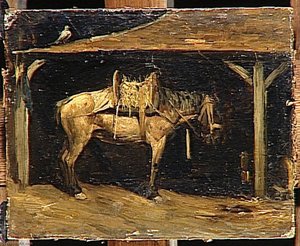
Spring Light

 Ver mais
Giclée / Impressão de Arte
Impressão giclée ou em tela de qualidade de museu, com produção rápida e opções flexíveis de acabamento. ( Encomendar reprodução pintada à mão Comprar imagem em alta resolução)




































Escolha entre os nossos tamanhos pré-definidos que respeitam as proporções originais da obra de arte.

Você pode inserir suas próprias dimensões para se ajustar a uma moldura ou espaço específico. Se o tamanho selecionado não corresponder às proporções da imagem original, iremos recortar a obra de arte ou estender a imagem com uma borda espelhada ou preenchimento sólido. Um mockup digital será enviado para sua aprovação antes do início da produção.
Por favor, observe que a visualização na tela não reflete o recorte ou a extensão real. Apenas o mockup mostrará com precisão a composição final.
Embora tamanhos personalizados estejam disponíveis, recomendamos selecionar uma dimensão da lista predefinida para preservar as proporções originais.
Entrega mundial () em 2 semanas, em vez das 4/5 semanas padrão. (19 Agosto)

Envio Expresso Gratuito para todo o Mundo

Tela de Linho Premium

Seguro de transporte total

Garantia de Reembolso de Impostos Alfandegários

Garantia de Fidelidade de Cor

Política de Devolução de 60 Dias (Apenas para Defeitos)

Garantia de reembolso de 100%

Desconto para múltiplas unidades
 A opção de vidro está disponível apenas para tamanhos inferiores a 110 cm

Spring Light
Giclée / Impressão de Arte
Dimensões da Reprodução
-


Preço Total
$ 64
Obras Relacionadas




Biografia do Artista
Early Life and Artistic Beginnings
Paul Madeline was born on October 7, 1863, in Paris, France—a city already brimming with artistic fervor during the Belle Époque. His upbringing within this cultural epicenter instilled in him a profound appreciation for beauty and creativity from his earliest years. Unlike many of his peers who pursued conventional paths toward stability, Madeline harbored an unwavering passion for art that defied societal expectations. Initially drawn to commerce as a means of securing financial independence—a common aspiration among families during the period—his artistic inclinations persisted, ultimately guiding him towards a transformative vocation. He enrolled in the École des Beaux-Arts of Paris, marking the commencement of his formal artistic education and setting the stage for his remarkable career.Formal Training and Influences
Madeline’s studies at the École des Beaux-Arts provided him with invaluable grounding in classical artistic principles—a cornerstone of French art education throughout the 19th century. However, it was his exposure to the burgeoning movements of Impressionism and Post-Impressionism that irrevocably shaped his artistic vision. The bold colors and innovative techniques championed by these trailblazing artists resonated deeply within Madeline’s soul, prompting him to experiment with his own style and forge a distinctive path. Artists like Claude Monet and Camille Pissarro—whose canvases captured the fleeting effects of light and atmosphere—served as pivotal inspirations, encouraging Madeline to explore similar themes in his oeuvre.The Landscape Painter's Vision
Madeline’s artistic focus centered predominantly on landscape painting—a genre particularly favored by Impressionists and Post-Impressionists who sought to depict the grandeur and serenity of the natural world. He embarked upon numerous expeditions throughout France, meticulously documenting scenes from regions such as Brittany, Auvergne, and the Creuse Valley. These journeys fueled his creative imagination and honed his observational skills, resulting in paintings characterized by their luminous quality and vibrant hues—a testament to Madeline’s ability to convey both realism and emotion simultaneously.Notable Works and Artistic Style
Among Madeline's most celebrated creations is “The Banks of the Creuse,” a painting that exemplifies his masterful blending of classical technique with Impressionistic color palettes. The composition—balanced and harmonious—guides the viewer’s gaze through the landscape, while the interplay of light and shadow generates an ethereal atmosphere. Similarly, “Les Lavandières” captures the essence of rural French life with delicate brushstrokes and soft lighting—a hallmark of Madeline's artistic style. His canvases frequently depict scenes from Brittany and Auvergne, showcasing his unwavering dedication to portraying the beauty of the French countryside.Legacy and Historical Significance
Paul Madeline’s contribution to French art history extends far beyond his individual masterpieces. He stood as a prominent figure within “La Société Moderne,” alongside fellow artists Lebasque, Raffaelli, Aman, and Chabas—a collective committed to advancing artistic innovation during the Belle Époque. Madeline's annual participation in prestigious salons—including the Salon des Artistes, the Salon d’Automne, and the Salon de la Nationale des Beaux-Arts—solidified his reputation as a respected artist and ensured that his work would endure for generations to come. His enduring influence can be discerned in subsequent artistic endeavors, cementing Madeline's place as a luminary of Post-Impressionism and a symbol of French cultural heritage.
paul madeline
1863 - 1920 , France
Informações Rápidas
- Artistic Movement Or Style: Post-Impressionism
- Artists Or Movements Influenced By This Artist: ['Impressionism']
- Artists Who Influenced This Artist:
- Claude Monet
- Camille Pissarro
- Date Of Birth: October 7, 1863
- Date Of Death: 1920
- Full Name: Paul Madeline
- Nationality: French
- Notable Artworks:
- Les Lavandières
- Un Quai Á Taillebourg
- Place Of Birth: Paris, France
Artigos Relacionados
Paul Cézanne: As 25 Obras-Primas que Definiram um Gênio da Arte Moderna | AllPaintingsStore
Descubra as 25 obras-primas de Paul Cézanne, o mestre do pós-impressionismo! Explore a história, técnica e cores vibrantes por trás de quadros icônicos como 'Les Baigneurs' e 'Mont Sainte-Victoire'. Encontre reproduções de arte exclusivas para decorar sua casa com elegância em AllPaintingsStore.com.

John Constable: As 25 Obras-Primas que Definem o Mestre da Paisagem Inglesa | AllPaintingsStore
Descubra as 25 obras-primas de John Constable, o mestre da paisagem inglesa! Explore a arte romântica, cores vibrantes e histórias fascinantes por trás de 'Hay Wain' e outras pinturas icônicas. Encontre reproduções de alta qualidade para decorar sua casa com AllPaintingsStore.com.

Paul Klee: As 25 Obras-Primas que Definem um Mestre da Arte Moderna | AllPaintingsStore
Descubra as 25 obras-primas de Paul Klee, um mestre da arte moderna! Explore a história, cores e significado por trás de seus quadros icônicos. Encontre reproduções de alta qualidade para decorar sua casa com estilo em AllPaintingsStore.com.

Whispers of Rural Serenity: A Journey Through the Enchanting Village Landscapes of Impressionism
Immerse yourself in the tranquil beauty of Impressionist village landscapes. Explore our exquisite collection of hand-painted oil reproductions, capturing the light and soul of masters like Monet and Pissarro. Bring a piece of art history into your home with AllPaintingsStore.com.

Os 10 Melhores Quadros de Paisagem: Arte, História e Decoração Inspiradora
Descubra os 10 quadros de paisagem mais icônicos da história da arte! Explore Monet, Van Gogh e outros mestres, suas técnicas e inspirações. Encontre reproduções de alta qualidade para decorar sua casa com beleza e elegância em AllPaintingsStore.com.



