


 Visualizar em escala
 Enviar
 Compartilhar
 Ver detalhes
 Guia de Obras do Aluno

 Baixar imagem
 Semelhantes
 Raio X
 Apresentação de slides
 Estatísticas
The Dancing Lesson
 Acrylic On Canvas
- WallArt
- Venetian Genre
 1741
1741 61.0 x 51.0 cm
 Gallerie dell’Accademia
 Ver mais
Giclée / Impressão de Arte
Impressão giclée ou em tela de qualidade de museu, com produção rápida e opções flexíveis de acabamento. ( Encomendar reprodução pintada à mão Ver Imagem Digital)




P118B €10

P118H €10

P118W €10

P438Z €10

P508JH €12

P508YH €12

P805H €10

P805Z €10

P919BZ €10

P919G €10

P919XJ €10

P959ZH €10

P968JZ €12

W106C €8

W218G €10

W218JH €8

W218Y €10

W307PJ €10

W316G €10

W316PJ €8

W316Y €10

W398PJ €8

W4111J €10

W500HY €15

W500JH €15

W692G €12

W849H €8

W940BG €15

W953PJ €8




Escolha entre os nossos tamanhos pré-definidos que respeitam as proporções originais da obra de arte.

Digite a largura e a altura de que necessita, para se ajustar à sua moldura ou à sua parede. Uma impressão só pode ser cortada, nunca ampliada além da imagem original, pelo que um tamanho com uma proporção diferente perderá parte da imagem. Enviamos-lhe uma maquete digital para aprovação antes de imprimirmos qualquer coisa. A imagem apresentada nesta página não mostra o corte real — apenas a maquete o faz.
Entrega mundial () em 2 semanas, em vez das 4/5 semanas padrão. (24 Outubro)

Envio expresso gratuito para todo o mundo

Tela de Linho Premium

Seguro de transporte total

Garantia de Reembolso de Impostos Alfandegários

Garantia de Fidelidade de Cor

Política de Devolução em 100 Dias (Apenas para Defeitos)

Garantia de reembolso de 100%

Desconto para múltiplas unidades
 A opção de vidro está disponível apenas para tamanhos inferiores a 110 cm

The Dancing Lesson
Giclée / Impressão de Arte
Dimensões da Reprodução
-


Preço Total
€ 56
A Glimpse into Venetian Life: The Dance Lesson
Pietro Longhi’s “The Dancing Lesson,” painted in 1741, isn't merely a depiction of an indoor scene; it’s a meticulously crafted window into the vibrant social fabric of 18th-century Venice. Far removed from the grand narratives favored by many of his contemporaries, Longhi chose to capture the quiet dramas unfolding within bourgeois homes – a deliberate departure that cemented his reputation as the “Venetian Hogarth.” This painting, housed in the National Gallery of Art, offers an intimate portrait of a social gathering, brimming with subtle details and a captivating sense of everyday life.
The scene unfolds within a modestly furnished room, dominated by a pair of ornate couches that anchor the composition. A young woman, dressed in a flowing white gown, stands poised on a stage-like platform, clearly the focus of attention. Around her, a carefully arranged group – a man standing behind her, and two others positioned to the right – suggests a private lesson or performance. The inclusion of a chair near the bottom left corner hints at a more relaxed atmosphere, while the overall lighting, diffused through a window, creates an inviting warmth. Longhi’s masterful use of perspective draws the viewer into this domestic tableau, making us feel like silent observers of a commonplace yet charming moment.
The Artist and His Venetian World
Pietro Longhi (1701-1785), born Pietro Falca in Venice, was an artist deeply rooted in his city. Unlike the established painters who favored historical or mythological subjects, Longhi dedicated himself to capturing the nuances of Venetian life – a remarkable shift that earned him recognition for his witty genre paintings. His early training under Antonio Balestra provided a solid foundation in traditional techniques, which he skillfully blended with his own innovative approach. Longhi’s work reflects a keen interest in the social customs and behaviors of his time, offering a unique perspective on the lives of Venetian citizens.
His biography reveals a man who deliberately distanced himself from the grand narratives of his era, choosing instead to document the everyday experiences of ordinary Venetians. He wasn’t simply painting portraits; he was chronicling social interactions, capturing the subtle gestures and expressions that defined their world. This commitment to realism, combined with his distinctive style, established Longhi as a pivotal figure in Venetian art history.
Symbolism and Technique
Longhi's technique is characterized by a remarkable attention to detail and a masterful command of light and shadow. He employs a loose, expressive brushstroke that lends the scene a sense of immediacy and spontaneity. The use of color is particularly noteworthy – the vibrant hues of the dancers’ gowns contrast beautifully with the muted tones of the furniture and walls, drawing the eye to the central figures. The composition itself is carefully balanced, creating a harmonious and engaging visual experience.
Beyond the surface details, “The Dancing Lesson” is rich in symbolism. The setting – a room filled with couches and chairs – suggests a space of leisure and social interaction. The dancers themselves represent the pursuit of pleasure and refinement, while their gestures and expressions reveal a complex interplay of emotions. Even the inclusion of seemingly mundane objects—the chair, the couch—contributes to the painting’s overall narrative, offering clues about the lives and customs of 18th-century Venetians.
A Legacy of Venetian Realism
Pietro Longhi's “The Dancing Lesson” stands as a testament to his unique artistic vision. It is a captivating portrayal of everyday life in Venice, offering a glimpse into the social customs and behaviors of the era. His work paved the way for future generations of artists who sought to capture the nuances of Venetian society with wit and realism. Today, this painting continues to resonate with viewers, reminding us of the enduring power of art to illuminate the human experience.
Perguntas e Respostas
Qual é a técnica e a data de criação de "The Dancing Lesson" de Pietro Longhi?
"The Dancing Lesson" foi criada em 1741 utilizando a técnica de Acrylic On Canvas. O material e a data descrevem como e quando o original foi feito.
Para qual ambiente "The Dancing Lesson" de Pietro Longhi é recomendado, considerando as suas cores?
As cores Earthy de "The Dancing Lesson" de Pietro Longhi combinam com o seu espaço recomendado: um(a) Living Room.
A que fase da carreira de Pietro Longhi pertence "The Dancing Lesson" (1741)?
"The Dancing Lesson", criado em 1741, pertence ao Mature Venetian da carreira de Pietro Longhi.
Obras Relacionadas


Biografia do Artista
A Venetian Chronicler of Daily Life
Pietro Longhi, nascido Pietro Falca em Veneza em 5 de novembro de 1701, não pintava narrativas históricas grandiosas ou cenas mitológicas; ele estava capturando os dramas silenciosos que se desenrolavam nos elegantes salões e ruas movimentadas da cidade. Tornou-se conhecido por suas pinturas de gênero perspicazes – vislumbres íntimos das vidas dos venezianos do século XVIII, uma ruptura com as tendências artísticas predominantes da época. Filho de Alessandro Falca, um ourives, o treinamento inicial de Longhi começou sob a tutela do pintor veronese Antônio Balestra, que reconheceu e nutriu o talento do jovem artista. Essa base em técnica tradicional serviria posteriormente como um contraponto sutil à sua espírito inovador ao escolher seu assunto. Ele adotou o sobrenome “Longhi” ao iniciar sua carreira artística, uma renúncia simbólica ao ofício de seu pai em busca da pintura.Da Pintura Religiosa aos Interiores Venezianos
As primeiras obras de Longhi refletiam as expectativas da época: afrescos e temas religiosos dominaram seu portfólio inicial. Seu afresco de 1732 para a igreja de San Pellegrino demonstra um domínio habilidoso das técnicas tradicionais, exibindo pinceladas quebradas e vibrantes glazes de cor características da pintura veneziana. No entanto, foi no final dos anos 1730 que Longhi realmente encontrou sua voz, mudando-se para as pequenas cenas de gênero que definiriam seu legado. Essa transição não era apenas uma mudança no assunto; representava um engajamento deliberado com os crescentes deslocamentos sociais e culturais da época. O século XVIII testemunhou um fascínio crescente pelas vidas privadas da burguesia, um foco na domesticidade e nos rituais cotidianos. Longhi capturou magistralmente essa mudança, oferecendo aos espectadores uma janela para a sociedade veneziana que era ao mesmo tempo charmosa e sutilmente satírica. Ele se casou com Caterina Maria Rizzi em 1732 e juntos tiveram onze filhos, embora apenas três sobrevivessem à idade adulta. Essa vida pessoal, embora não refletida diretamente em sua arte, certamente moldou sua compreensão do mundo doméstico que ele retratava tão frequentemente.O “Veneto” de William Hogarth e um Olhar Satírico
Longhi logo ganhou o apelido de "o Veneto William Hogarth", um testemunho de sua capacidade de infundir cenas aparentemente inofensivas com camadas de comentário social. Assim como Hogarth, Longhi não se esquivava de retratar as fraquezas humanas e os contradições sociais. No entanto, enquanto a sátira de Hogarth era frequentemente pontuada e moralizante, a de Longhi tendia a ser mais sutil, imbuída de uma ironia gentil. Suas pinturas são povoadas por figuras mascaradas – um tributo às celebrações carnavalescas onipresentes de Veneza – envolvidas em várias atividades, desde jogos de azar e flerte até encontros clandestinos e transações duvidosas. *A Carta*, por exemplo, apresenta uma cena repleta de implicações implícitas, sugerindo as correntes ocultas da sociedade veneziana. Ele não estava simplesmente registrando a vida como ela era; ele estava oferecendo um comentário astuto sobre suas complexidades e contradições. Sua capacidade de capturar essas sutilezas é o que o distingue, elevando suas cenas de gênero além da mera documentação para observações sociais perspicazes.Técnica, Influência e Legado Duradouro
A técnica de Longhi era tão distinta quanto seu assunto. Ele se atirava a pequenas telas, meticulosamente renderizadas com um toque delicado e um olhar atento aos detalhes. Seus interiores são banhados em luz suave, criando uma atmosfera de intimidade e realismo. Ele possuía uma notável capacidade de retratar texturas – o brilho do veludo, a aspereza da madeira, as delicadas dobras do tecido – adicionando profundidade e autenticidade às suas cenas. Embora influenciado por mestres venezianos anteriores como Giuseppe Maria Crespi, Longhi forjou seu próprio caminho, antecipando os desenvolvimentos posteriores na pintura de gênero. Sua obra ressoou com o público da época, que apreciava sua capacidade de capturar o espírito do tempo. Ele até mesmo serviu como Diretor da Academia de Desenho e Escultura a partir de 1763, consolidando ainda mais sua posição no mundo da arte veneziana. Seu filho, Alessandro Longhi (1733 – 1813), também se tornou um pintor talentoso, auxiliando-o em comissões posteriores de retratos. Pietro Longhi faleceu em 8 de maio de 1785, deixando para trás um corpo de trabalho que continua a cativar e intrigar os espectadores até hoje. Ele permanece uma figura vital na história da arte veneziana, celebrado por sua combinação única de observação, humor e habilidade técnica – um verdadeiro cronista da vida do século XVIII.Obras Notáveis
- O Alfaiate (Gallerie dell'Accademia, Veneza)
- O Batismo (Fondazione Querini Stampalia, Veneza)
- Pintor em seu Estúdio (Ca’ Zenobio, Veneza)
- O Concerto
- O Charlatão
- Exposição de um Rinoceronte (National Gallery, Londres)

Pietro Longhi
1701 - 1785 , Itália
Informações Rápidas
- Artistic Movement Or Style: Pintura veneziana
- Artists Or Movements Influenced By This Artist: ['William Hogarth']
- Artists Who Influenced This Artist:
- Antonio Balestra
- Giuseppe Crespi
- Date Of Birth: 5 Nov 1701
- Date Of Death: 8 Maio 1785
- Full Name: Pietro Longhi
- Nationality: Italiano
- Notable Artworks:
- O Alfaiate
- O Batismo
- Pintor em seu ateliê
- Place Of Birth: Veneza, Itália
Artigos Relacionados

Reflecting Nobility & Nuance: 18th-Century Portraiture as a Window into Societal Values
Explore the world of 18th-century portraiture with AllPaintingsStore. Discover symbolism, artistic innovation & societal values reflected in masterpieces by Reynolds, Hogarth & more. Expert insights for collectors.

Pietro Longhi's Venetian Scenes: A Study of Rococo Society & Domestic Life
Explore the captivating world of Pietro Longhi's Venetian scenes! Discover insightful analysis of his Rococo masterpieces & social commentary on 18th-century life. Learn about this 'Venetian Hogarth' and his lasting artistic legacy.

Século XVIII na Arte: 10 Obras que Definem uma Era – AllPaintingsStore
Descubra 10 obras-primas do Século XVIII! Explore a arte de David, Fragonard e Reynolds. Neoclassicismo, Rococó e retratos icônicos ganham vida. Encontre reproduções de alta qualidade para decorar sua casa com AllPaintingsStore.com
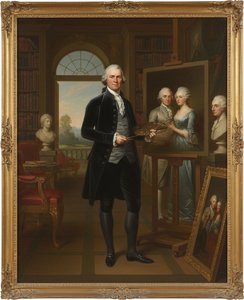
Sir Nathaniel Dance-Holland: Portraiture, Patronage & Georgian Identity
Explore the life & art of Sir Nathaniel Dance-Holland, a leading Georgian portraitist. Discover his masterful technique, influential patrons, and lasting impact on 18th-century British society. A guide for discerning collectors.

Jacopo Tintoretto: As 25 Obras-Primas do Mestre da Luz e Drama | AllPaintingsStore
Descubra as 25 obras-primas de Jacopo Tintoretto, o mestre veneziano do Renascimento! Explore a história, técnica e emoção por trás de pinturas icônicas como 'O Milagre de São Marcos'. Encontre reproduções de arte exclusivas para decorar sua casa com AllPaintingsStore.com.

