

1952. Acrylic On Canvas.

§ 1Dados do catálogo


Esta obra está protegida por direitos autorais
A obra de arte exibida nesta página é protegida por leis de direitos autorais, o que significa que não podemos criar ou vender legalmente uma reprodução idêntica. Esta proteção é aplicada por meio de acordos internacionais, tais como a Convenção de Berna e pelas leis nacionais, incluindo as estabelecidas por Lei de Direitos Autorais dos EUA - Título 17.
Como uma alternativa respeitosa e legal, oferecemos obras de arte personalizadas e pintadas à mão, inspiradas na obra original. Nossos artistas profissionais e experientes estudam cuidadosamente o estilo, a atmosfera e a essência artística da obra original para criar uma peça nova e única que evoque a mesma sensação — permanecendo como uma criação original por direito próprio.
Este método cumpre plenamente as regulamentações de direitos autorais, pois não envolve a cópia ou duplicação da obra protegida. Em vez disso, trata-se de uma reinterpretação criativa — uma nova pintura que é influenciada pela original, mas não idêntica a ela.
 Leia mais
§ 2Abstrato
Descrição do Item
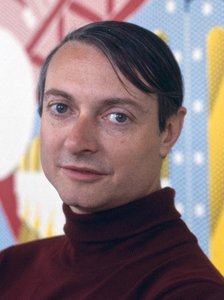
Biografia do Artista
Roy Lichtenstein (1923-1997): Pioneiro da Pop Art, famoso por pontos Ben-Day, inspiração em quadrinhos e crítica à cultura de consumo. Explore 'Whaam!' & mais.
§ 3Comentário
A Cherokee Brave by Roy Lichtenstein: Decoding Pop Art’s Bold Narrative
Roy Lichtenstein's "A Cherokee Brave," painted in 1952, stands as a cornerstone of American Pop Art—a movement that irrevocably challenged the conventions of fine art and embraced imagery derived from popular culture. More than just a visually striking composition featuring birds and cats, this artwork embodies Lichtenstein’s meticulous approach to translating comic strip aesthetics into monumental canvases, offering a profound commentary on visual language and societal anxieties of the mid-century era.The Comic Strip Influence: A Formal Innovation
At its core, Lichtenstein's technique—characterized by Ben-Day dots—directly borrows from halftone printing processes used in newspaper comics. These dots create an illusion of shading and texture, mimicking the printed image with remarkable accuracy. This stylistic choice wasn’t merely decorative; it was a deliberate rejection of traditional oil painting methods, signaling a decisive break from artistic traditions rooted in realism. The artist meticulously recreated the visual language of comic strips—bold outlines, simplified forms, and vibrant colors—transforming familiar motifs into powerful statements about perception and representation.Symbolism Within Simplicity: Birds, Cats, and Narrative Tension
The painting’s imagery is deceptively straightforward. Two birds perched atop each other convey a dynamic relationship – one larger dominates the scene, suggesting hierarchy or perhaps vulnerability. The presence of three cats adds another layer of complexity, their watchful gaze hinting at observation and potentially unease. These animals aren't merely decorative elements; they contribute to an unspoken narrative tension—a subtle suggestion of conflict or interaction that resonates beyond the literal depiction. Lichtenstein’s masterful use of visual cues invites contemplation about themes of dominance, vulnerability, and the anxieties inherent in everyday life.Historical Context: Postwar America and Artistic Rebellion
“A Cherokee Brave” emerged during a period of significant social and cultural upheaval following World War II. The postwar era witnessed an explosion of consumer culture and mass media—influences that profoundly impacted artistic sensibilities. Lichtenstein’s embrace of Pop Art reflected this broader societal shift, aligning with the burgeoning interest in vernacular imagery and rejecting the elitism associated with Abstract Expressionism. By appropriating comic strip conventions, Lichtenstein positioned himself as a provocateur, questioning established artistic hierarchies and engaging in dialogue with the anxieties of his time—a conversation that continues to captivate audiences today.Emotional Impact: Bold Color Palette and Visual Rhythm
The painting’s vibrant color palette – predominantly reds, yellows, and blues – amplifies its emotional impact. Lichtenstein deliberately avoids nuanced shading or expressive brushstrokes, prioritizing visual rhythm and clarity. This stylistic decision serves not only to reproduce the comic strip aesthetic but also to convey a sense of immediacy and excitement. The bold colors and simplified forms contribute to an overall feeling of dynamism—a deliberate attempt to capture the energy and pace of modern life. “A Cherokee Brave” remains a testament to Lichtenstein’s ability to distill complex ideas into visually arresting images, leaving viewers with a lingering impression of both beauty and intellectual engagement.Perguntas e Respostas
Qual é a luminosidade percebida de "A Cherokee Brave", de Roy Lichtenstein?
Em termos de luminosidade percebida, "A Cherokee Brave", de Roy Lichtenstein é bright.
Posso usar realidade aumentada para ver "A Cherokee Brave", de Roy Lichtenstein no meu ambiente?
A página de Prévia em RA de "A Cherokee Brave", de Roy Lichtenstein utiliza realidade aumentada para mostrar a obra em seu próprio espaço, através de um dispositivo compatível.
Por quais outros nomes Roy Lichtenstein é conhecido(a)?
Roy Lichtenstein também é conhecido como Roy Fox Lichtenstein.


 Alternar para Impressão


 Para obras de arte ou reproduções com mais de 105 cm (aproximadamente 41 polegadas) em qualquer um dos lados, a moldura será enviada como um kit desmontado. Este método garante uma entrega segura e evita danos durante o transporte.


