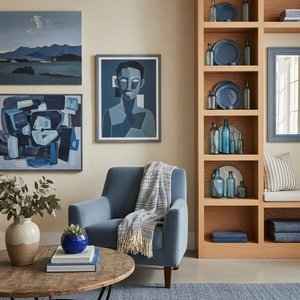
Acrylic On Canvas.

§ 1Dados do catálogo

Esta obra está protegida por direitos autorais
A obra de arte exibida nesta página é protegida por leis de direitos autorais, o que significa que não podemos criar ou vender legalmente uma reprodução idêntica. Esta proteção é aplicada por meio de acordos internacionais, tais como a Convenção de Berna e pelas leis nacionais, incluindo as estabelecidas por Lei de Direitos Autorais dos EUA - Título 17.
Como uma alternativa respeitosa e legal, oferecemos obras de arte personalizadas e pintadas à mão, inspiradas na obra original. Nossos artistas profissionais e experientes estudam cuidadosamente o estilo, a atmosfera e a essência artística da obra original para criar uma peça nova e única que evoque a mesma sensação — permanecendo como uma criação original por direito próprio.
Este método cumpre plenamente as regulamentações de direitos autorais, pois não envolve a cópia ou duplicação da obra protegida. Em vez disso, trata-se de uma reinterpretação criativa — uma nova pintura que é influenciada pela original, mas não idêntica a ela.
 Leia mais
§ 2Abstrato
Descrição do Item
Arctic Landscape by Roy Lichtenstein embodies Pop Art's fascination with everyday subjects and bold color palettes. This abstract depiction of mountains utilizes vibrant blues, yellows, and white clouds to create a dynamic composition reminiscent of Lichtenstein’s signature style.
Biografia do Artista
Roy Lichtenstein (1923-1997): Pioneiro da Pop Art, famoso por pontos Ben-Day, inspiração em quadrinhos e crítica à cultura de consumo. Explore 'Whaam!' & mais.
§ 3Comentário
A Bold Vision of the Frozen North
Roy Lichtenstein’s “Arctic Landscape,” painted in 1964, stands as a cornerstone of Pop Art—a movement that deliberately rejected the emotional seriousness of Abstract Expressionism and instead embraced imagery derived from popular culture. More than just a depiction of a desolate Arctic environment, it's a meticulously crafted illusion designed to provoke contemplation about perception and representation.
- Subject Matter: The painting captures a stylized mountain range bathed in an ethereal blue sky punctuated by fluffy white clouds.
- Style: Lichtenstein’s signature style—characterized by bold outlines, halftone printing techniques, and vibrant color palettes—transforms the familiar landscape into something strikingly unfamiliar.
The technique employed is remarkably precise for Pop Art. Lichtenstein utilized halftone dots to simulate shading and texture, a process borrowed from commercial printing where images are reproduced using multiple shades of gray. This method lends an almost photographic quality to the artwork while simultaneously maintaining its artistic integrity.
Historical Context: Challenging Artistic Conventions
Painted during the height of the Cold War era, “Arctic Landscape” reflects anxieties about geopolitical tensions and the perceived threat posed by Soviet expansionism. However, Lichtenstein wasn’t simply responding to political concerns; he was actively dismantling established artistic hierarchies. By appropriating imagery from advertising and comic strips—sources considered lowbrow by critics of the time—he asserted that art could derive inspiration from anywhere.
This deliberate provocation aimed to disrupt the prevailing aesthetic sensibilities of the 1960s, where artists were striving for profound emotional expression. Lichtenstein’s approach was deliberately antithetical to this trend, prioritizing visual impact and intellectual engagement over sentimental sentimentality.
Symbolism Beyond the Surface
While seemingly straightforward, “Arctic Landscape” is laden with symbolic significance. The blue sky represents serenity and vastness—a deliberate contrast to the harsh realities of the Arctic wilderness. Yet, it’s also a color associated with authority and stability, subtly reinforcing Lichtenstein's critique of traditional artistic values.
The stylized mountains themselves serve as visual anchors, grounding the composition while simultaneously emphasizing the artist’s manipulation of perspective. The small figures positioned at the base of the mountains are deliberately ambiguous—they could represent explorers or simply points of reference—further enhancing the artwork's enigmatic quality.
Emotional Resonance: A Quiet Discomfort
Despite its vibrant colors, “Arctic Landscape” evokes a feeling of quiet discomfort. Lichtenstein’s masterful use of halftone printing creates an illusion of depth and texture that draws the viewer into the scene—but simultaneously reinforces the idea that what we see is merely a constructed representation.
Ultimately, Lichtenstein's Arctic Landscape compels us to question our assumptions about art and perception. It remains a testament to his innovative spirit and a powerful emblem of Pop Art’s enduring legacy – a celebration of visual pleasure tempered by intellectual curiosity.
Perguntas e Respostas
Existe uma apresentação de slides para "Arctic landscape", de Roy Lichtenstein?
Um slideshow está disponível: a página Apresentação de imagens de "Arctic landscape", de Roy Lichtenstein.
De que forma as cores de "Arctic landscape", de Roy Lichtenstein se relacionam com a sua emoção?
Em "Arctic landscape", cores de Dark acompanham um sentimento Calm.
Onde posso encontrar obras de arte semelhantes a "Arctic landscape", de Roy Lichtenstein?
Obras semelhantes a "Arctic landscape" estão listadas na página de Obras semelhantes desta obra.


 Alternar para Impressão


 Para obras de arte ou reproduções com mais de 105 cm (aproximadamente 41 polegadas) em qualquer um dos lados, a moldura será enviada como um kit desmontado. Este método garante uma entrega segura e evita danos durante o transporte.