

1982. Acrylic On Canvas.

§ 1Dados do catálogo


Esta obra está protegida por direitos autorais
A obra de arte exibida nesta página é protegida por leis de direitos autorais, o que significa que não podemos criar ou vender legalmente uma reprodução idêntica. Esta proteção é aplicada por meio de acordos internacionais, tais como a Convenção de Berna e pelas leis nacionais, incluindo as estabelecidas por Lei de Direitos Autorais dos EUA - Título 17.
Como uma alternativa respeitosa e legal, oferecemos obras de arte personalizadas e pintadas à mão, inspiradas na obra original. Nossos artistas profissionais e experientes estudam cuidadosamente o estilo, a atmosfera e a essência artística da obra original para criar uma peça nova e única que evoque a mesma sensação — permanecendo como uma criação original por direito próprio.
Este método cumpre plenamente as regulamentações de direitos autorais, pois não envolve a cópia ou duplicação da obra protegida. Em vez disso, trata-se de uma reinterpretação criativa — uma nova pintura que é influenciada pela original, mas não idêntica a ela.
 Leia mais
§ 2Abstrato
Descrição do Item
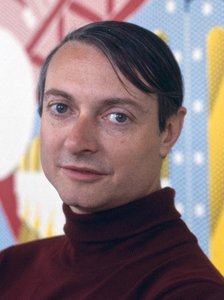
Roy Lichtenstein’s iconic paintings featuring a figure contemplating a picture frame in a vibrant blue and yellow composition capture the essence of Pop Art's bold style. Explore this unique artwork and discover its captivating story.
Biografia do Artista
Roy Lichtenstein (1923-1997): Pioneiro da Pop Art, famoso por pontos Ben-Day, inspiração em quadrinhos e crítica à cultura de consumo. Explore 'Whaam!' & mais.
§ 3Comentário
A Dialogue with Reflection: Roy Lichtenstein's "Paintings" (1982)
Roy Lichtenstein’s “Paintings,” created in 1982, is more than just a depiction of a man observing a framed image; it’s a meticulously constructed meditation on representation itself. The painting immediately draws the eye to the central figure, positioned with an almost unnerving intensity as he gazes into the artwork within the frame. This deliberate act of observation – and our own subsequent observation of the painting – establishes a layered narrative that speaks directly to the core concerns of Pop Art: the questioning of authenticity and the role of the viewer in shaping meaning.
- Subject Matter & Composition: The scene is deceptively simple. A solitary man, rendered with Lichtenstein’s signature bold black outlines and flat color fields, confronts a painted image. This juxtaposition immediately raises questions about the nature of art and its relationship to reality. The two figures present add another layer of complexity, suggesting an audience or perhaps even multiple interpretations of the artwork being viewed.
- Color Palette & Technique: The vibrant blue background, punctuated by energetic yellow stripes, is characteristic of Lichtenstein’s style – a deliberate rejection of traditional representational color palettes. His technique relies heavily on Ben-Day dots, meticulously applied to create an illusion of shading and texture, mimicking the printing processes used in comic books. This nod to commercial art was central to Pop Art's challenge to the elitism of the established art world.
Echoes of Pop Culture & Historical Context
Created in 1982, “Paintings” reflects Lichtenstein’s continued engagement with the visual language of popular culture. The influence of comic books is undeniable – the bold lines, simplified forms, and use of color are all hallmarks of this genre. However, unlike some of his earlier works that directly appropriated comic book imagery, here he uses the *idea* of the comic book as a starting point for exploring broader themes about perception and representation. The inclusion of a clock at the bottom-left corner subtly introduces an element of time – a constant reminder of the passage of moments and the fleeting nature of visual experience.
The painting’s creation coincided with a period of significant artistic experimentation, following the dominance of Abstract Expressionism. Lichtenstein's work represented a reaction against this trend, embracing accessibility and challenging viewers to reconsider their relationship with art. His approach was revolutionary, injecting humor and irony into the high-art world.
Symbolic Layers & Emotional Resonance
The act of looking – the central focus of “Paintings” – is inherently symbolic. It represents a desire for understanding, a search for meaning, or perhaps simply an appreciation of beauty. The man’s intense gaze suggests a deep engagement with the artwork within the frame, inviting us to consider our own role as viewers and interpreters. The chair adds a domestic element, suggesting a private moment of contemplation.
Ultimately, “Paintings” is a powerful statement about the nature of art and its ability to provoke thought and emotion. It’s a deceptively simple work that rewards repeated viewing, revealing new layers of meaning with each encounter. This reproduction offers an exceptional opportunity to own a piece of Lichtenstein's iconic vision, bringing this compelling dialogue with reflection into your space.
Perguntas e Respostas
Como "Paintings" se insere na trajetória artística de Roy Lichtenstein?
Na produção de Roy Lichtenstein, "Paintings" insere-se no estilo Pop Art, acompanhando os temas de pop art critique, consumer culture reflection, american visual language, lichtenstein’s serial style, iconic pop imagery.
Posso ver "Paintings", de Roy Lichtenstein na minha própria parede antes de comprar?
"Paintings" possui uma prévia em realidade aumentada: a página de Prévia em RA da obra permite visualizá-la no seu próprio espaço através de um dispositivo compatível.
"Paintings", de Roy Lichtenstein é uma pintura, um desenho ou uma gravura?
No catálogo, "Paintings", de Roy Lichtenstein está registrado como WallArt. A categoria ajuda a encontrar obras semelhantes.


 Alternar para Impressão


 Para obras de arte ou reproduções com mais de 105 cm (aproximadamente 41 polegadas) em qualquer um dos lados, a moldura será enviada como um kit desmontado. Este método garante uma entrega segura e evita danos durante o transporte.


