


 Visualizar na parede
 Compartilhar
 Compartilhar
 Detalhes
 Guia
Guia

 Baixar imagem
 Semelhantes
 Raio X
 Ver diaporama
 Estatísticas
The Flagellation
 Tempera On Panel
- WallArt
- Early Renaissance
 1490
1490- Renaissance
 132.0 x 107.0 cm
 Ler mais
Giclée / Impressão de Arte
Impressão giclée ou em tela de qualidade de museu, com produção rápida e opções flexíveis de acabamento. ( Comprar pintura feita à mão Alternar para Imagem Digital)




P118B €10

P118H €10

P118W €10

P438Z €10

P508JH €12

P508YH €12

P805H €10

P805Z €10

P919BZ €10

P919G €10

P919XJ €10

P959ZH €10

P968JZ €12

W106C €8

W218G €10

W218JH €8

W218Y €10

W307PJ €10

W316G €10

W316PJ €8

W316Y €10

W398PJ €8

W4111J €10

W500HY €15

W500JH €15

W692G €12

W849H €8

W940BG €15

W953PJ €8




Escolha entre os nossos tamanhos pré-definidos que respeitam as proporções originais da obra de arte.

Insira a largura e a altura desejadas para se ajustarem à sua moldura ou parede. Uma impressão pode ser apenas cortada, nunca ampliada além da imagem original; portanto, um tamanho com proporções diferentes resultará na perda de parte da imagem. Enviamos uma maquete digital para sua aprovação antes de realizarmos a impressão. A imagem exibida nesta página não mostra o corte real — apenas a maquete o faz.
Entrega mundial () em 2 semanas, em vez das 4/5 semanas padrão. (26 Outubro)

Envio expresso gratuito para todo o mundo

Tela de Linho de Alta Qualidade

Seguro de transporte completo

Garantia de Reembolso de Impostos Alfandegários

Garantia de Fidelidade Cromática

Política de Devolução em 100 Dias (Apenas para Defeitos)

Garantia de reembolso de 100%

Oferta de desconto por quantidade
 A opção de vidro está disponível apenas para tamanhos inferiores a 110 cm

The Flagellation
Giclée / Impressão de Arte
Tamanho da Reprodução
-


Preço Total
€ 56
A Symphony of Sorrow: Rediscovering Botticelli’s The Flagellation
In the quiet corridors of the Uffizi Gallery, there exists a moment frozen in time, a scene of profound tension and spiritual weight known as The Flagellation. Executed around 1490 by the Florentine master Sandro Botticelli, this work is far more than a mere biblical illustration; it is a masterful orchestration of light, shadow, and human suffering. As one gazes upon the panel, the eye is immediately drawn to the visceral drama unfolding within the architectural confines of the composition. The painting captures the agonizing scourging of Jesus Christ, yet it does so with a refined elegance that is uniquely Botticellian. Through his signature use of graceful, flowing lines and a delicate color palette, the artist elevates a moment of brutal violence into a sublime meditation on faith and endurance.
The technical brilliance of this piece lies in Botticelli’s meticulous application of tempera on wood panel. This medium allowed him to achieve a luminous quality that seems to radiate from within the very grain of the wood. He skillfully layered pigments to create nuanced transitions between the deep, bruised crimsons of the scene and the ethereal, pale tones of the skin, capturing the textures of drapery and stone with astonishing precision. Unlike the overwhelming grandeur found in the works of his later contemporaries, Botticelli employs a restrained scale here, focusing the viewer's attention on the subtle emotional cues—the tension in a hand, the downward cast of an eye, or the stark contrast of light hitting a marble pillar. This restraint creates an intimate connection between the observer and the observed, making the historical tragedy feel startlingly present.
The Intersection of Humanism and Divine Grace
To understand The Flagellation, one must look toward the vibrant, intellectual atmosphere of Renaissance Florence. Created during the height of the Medici era, the painting reflects the complex interplay between classical humanism and deep Christian devotion. The architectural setting, with its precise perspective and classical motifs, speaks to the period's fascination with rediscovered Greco-Roman ideals. Yet, amidst this structured, rational space, the raw, irrational pain of the Christ figure serves as a powerful reminder of the spiritual cost of redemption. The composition creates a fascinating dialogue between the orderly world of man—represented by the elegant figures and classical columns—and the chaotic, sacrificial suffering of the divine.
For the discerning collector or interior designer, this artwork offers an unparalleled opportunity to introduce a sense of historical depth and intellectual gravity into a space. A high-quality reproduction of this masterpiece does not merely decorate a wall; it anchors a room with its profound narrative and sophisticated aesthetic. The painting’s ability to evoke both melancholy and awe makes it a versatile centerpiece, capable of inspiring contemplation in a private study or adding a layer of cultured elegance to a grand salon. It is a piece that invites the viewer to linger, to search for meaning within the shadows, and to appreciate the enduring power of an era where art was the ultimate bridge between the earthly and the eternal.
Perguntas e Respostas
Qual é a data e o estilo de "The Flagellation", de Sandro Botticelli?
"The Flagellation", de Sandro Botticelli é datada de 1490 e pertence ao Early Renaissance.
Qual é a atmosfera geral de "The Flagellation", de Sandro Botticelli?
A atmosfera geral de "The Flagellation", de Sandro Botticelli é Dramatic. O clima descreve a sensação predominante da obra.
Qual é o nível de popularidade de "The Flagellation" dentro do Early Renaissance?
"The Flagellation" é classificada como Iconic entre as obras do Early Renaissance no catálogo.
Obras Relacionadas


Biografia do Artista
Early Life and Florentine Beginnings
Sandro Botticelli, nascido Alessandro di Mariano di Vanni Filipepi por volta de 1445 em Florença, Itália, emergiu durante um período de extraordinária fermentação cultural – o Renascimento Inicial. Sua vida foi profundamente enraizada na tapeçaria artística e social da cidade; ele nunca se afastou muito de seu bairro de Ognissanti, um testemunho tanto de laços familiares quanto do vibrante ecossistema criativo que lhe proporcionou sustento. Seu pai, Mariano Filipepi, inicialmente um ourives e posteriormente um rendeiro, ofereceu uma exposição precoce à habilidade artesanal e ao detalhe meticuloso – qualidades que influenciaram profundamente a abordagem artística de Botticelli. Embora relatos iniciais sugerissem treinamento como ourives, logo encontrou sua vocação sob a tutela de Fra Filippo Lippi, um pintor proeminente da época. Essa aprendizagem foi fundamental, imergindo-o nas técnicas e estética da escola florentina, ao mesmo tempo em que o conectava com mecenas influentes como a família Médici.Um Estilo Definido por Graça e Mito
O estilo artístico de Botticelli é instantaneamente reconhecível por sua beleza lírica, caracterizada por linhas elegantes, contornos fluidos e um uso delicado da cor. Ele dominou a lacuna entre as tradições góticas tardias e o emergente estilo renascentista, absorvendo influências de mestres como Fra Angelico e Paolo Uccello, mas forjando uma visão singularmente pessoal. Seus personagens possuem uma qualidade etérea, frequentemente retratados com proporções alongadas e poses graciosas que transmitem serenidade e uma sutil melancolia. Uma característica definidora de seu trabalho é a incorporação frequente da mitologia clássica – um reflexo dos interesses humanistas que varriam Florença renascentista. Ele não apenas ilustrava essas narrativas antigas; ele imbui-las com novas camadas de significado, explorando temas de amor, beleza e anseio espiritual. A técnica de Botticelli foi inovadora para a época. Frequentemente empregava um desenho em prata sob uma camada de pintura, contribuindo para a luminosidade e o detalhe delicado vistos em suas obras finalizadas. Seu uso da tinta tempera permitiu uma renderização precisa e cores vibrantes, enquanto seus experimentos posteriores com tintas a óleo ampliaram suas possibilidades expressivas.Desenvolvimento Artístico e Principais Obras
A jornada artística de Botticelli se desenrolou em fases distintas. Os anos 1470 iniciais viram-no concentrar-se em temas religiosos, aperfeiçoando suas habilidades técnicas e estabelecendo uma reputação por execução habilidosa. A década de 1480 marcou o auge de seus poderes criativos, com a criação de seus mais famosos quadros mitológicos, juntamente com muitas de suas Madonas famosas. No entanto, os anos 1490 testemunharam uma mudança em seu estilo, influenciada pela fervorosa pregação de Girolamo Savonarola – um frade dominicano que condenava o que ele via como a decadência e a corrupção moral de Florença. Este período resultou em obras mais austéricas e carregadas de emoção, refletindo uma crescente intensidade espiritual. A obra-prima *A Batalha de Anghiari*, embora perdida, demonstra essa mudança. Botticelli alcançou reconhecimento com duas obras que se tornaram símbolos do Renascimento: *O Nascimento de Vênus* (c. 1486) e *Primavera* (c. 1482). *O Nascimento de Vênus* é uma representação alegórica da deusa Vênus emergindo de uma concha, personificando os ideais renascentistas de beleza e harmonia. Sua composição graciosa, paleta de cores delicada e simbolismo evocativo a tornaram um símbolo duradouro da era. *Primavera*, criada por volta de 1482, é um quadro complexo e enigmático que celebra a primavera e o amor, povoado por figuras simbólicas retiradas da mitologia clássica. Essas obras demonstram o domínio de Botticelli da composição, sua capacidade de criar profundidade atmosférica e sua compreensão profunda das emoções humanas.Legado e Redescoberta
Após sua morte em 1510, a reputação de Botticelli gradualmente desapareceu, obscurecida pelos feitos dos mestres do Renascimento Alto como Leonardo da Vinci e Michelangelo. Por quase três séculos, sua obra foi largamente esquecida, eclipsada pelas conquistas dos mestres do Renascimento Alto. No entanto, uma redescoberta notável ocorreu no final do século XIX com o surgimento da Irmandade Pré-Rafaelita – um grupo de artistas ingleses que rejeitaram as convenções acadêmicas e buscaram inspiração na arte do início do Renascimento italiano. Eles foram cativados pela graça linear, cores vibrantes e sensibilidade poética de Botticelli, reconhecendo-o como um espírito semelhante. Esta nova apreciação desencadeou uma reavaliação geral de sua obra, estabelecendo-o como um dos artistas mais importantes do Renascimento Inicial. Hoje, Botticelli é celebrado por sua visão artística única, sua técnica magistral e sua capacidade duradoura de evocar beleza, emoção e contemplação espiritual. Sua influência pode ser vista nas gerações posteriores de artistas que buscaram capturar o mesmo senso de graça e elegância em seu próprio trabalho. Ele permanece um símbolo do alcance artístico de Florença e um testemunho do poder do humanismo renascentista.Principais Obras
- O Nascimento de Vênus (c. 1486): Uma representação icônica da deusa Vênus, personificando os ideais renascentistas de beleza e harmonia.
- Primavera (c. 1482): Um quadro complexo e alegórico que celebra a primavera e o amor.
- A Batalha de Anghiari (c. 1482-1490): Uma grande obra perdida, mas que demonstra a ambição de Botticelli em pintar murais monumentais.
- Adoração dos Magos (1475-1476): Demonstra o domínio inicial de Botticelli da composição e perspectiva.
- A Natividade Mística (1501): Reflete uma mudança para temas espirituais em sua obra tardia.
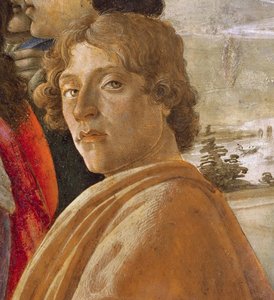
Sandro Botticelli
1445 - 1510 , Itália
Dados Rápidos
- Artistic Movement Or Style: Renascimento Inicial
- Artists Or Movements Influenced By This Artist: ['Pre-Rafaelistas']
- Artists Who Influenced This Artist:
- Fra Angelico
- Paolo Uccello
- Date Of Birth: c. 1445
- Date Of Death: 1510
- Full Name: Alessandro di Mariano Filipepi
- Nationality: Italiano
- Notable Artworks:
- Nascer do Vênus
- Primavera
- Adoração dos Magos
- Place Of Birth: Florença, Itália
Artigos Relacionados

Sandro Botticelli: As 25 Obras-Primas que Definem um Mestre do Renascimento | AllPaintingsStore
Descubra as 25 obras-primas de Sandro Botticelli, o mestre do Renascimento italiano! Explore a beleza atemporal de 'O Nascimento de Vênus', 'Primavera' e outras pinturas icônicas. Encontre reproduções de arte exclusivas e inspire sua decoração em AllPaintingsStore.com.

High Medieval Art: 10 Masterpieces That Shaped an Era | AllPaintingsStore
Journey through High Medieval Art! Explore 10 iconic masterpieces – from Giotto's frescoes to stunning Gothic cathedrals. Discover the stories behind these timeless paintings, sculptures & illuminated manuscripts. Find museum-quality art reproductions at AllPaintingsStore.com.

Sacred Narratives Embodied: A Comprehensive Exploration of Religious Iconography in Art History
Explore the rich history of religious iconography in art! Discover symbolism, movements & masterpieces from Byzantine to Renaissance periods. Expert insights for collectors and enthusiasts at AllPaintingsStore.

Late Medieval Masterpieces: 10 Artworks That Defined an Era | AllPaintingsStore
Journey through 10 defining Late Medieval masterpieces – from Giotto's frescoes to Jan van Eyck’s realism. Explore the stories, techniques & vibrant colors of Gothic art. Find museum-quality reproductions and elevate your home decor with AllPaintingsStore.com! Discover all masterpieces on AllPaintingsStore.com

Divine Light & Golden Splendor: A Journey Through the Sacred Grandeur of High Medieval Art
Embark on a soulful journey through High Medieval art. Explore the divine light of Gothic cathedrals, Byzantine splendor, and sacred masterpieces that shaped Western history with our expert-led cultural reflections.


