


 Visualizar na parede
 Compartilhar
 Compartilhar
 Detalhes

 Baixar imagem
 Semelhantes
 Raio X
 Slideshow
Auguste devant le tombeau d'Alexandre


 Ler mais
Reprodução em Óleo Feita à Mão
Óleo sobre tela pintado à mão no tamanho e moldura de sua escolha, feito sob encomenda pelos nossos artistas. ( Comprar impressão Comprar imagem)




P118B $10

P118H $10

P118W $10

P438Z $10

P508JH $12

P508YH $12

P805H $10

P805Z $10

P919BZ $10

P919G $10

P919XJ $10

P959ZH $10

P968JZ $12

W106C $8

W218G $10

W218JH $8

W218Y $10

W307PJ $10

W316G $10

W316PJ $8

W316Y $10

W398PJ $8

W4111J $10

W500HY $15

W500JH $15

W692G $12

W849H $8

W940BG $15

W953PJ $8




Escolha entre os nossos tamanhos pré-definidos que respeitam as proporções originais da obra de arte.

Pode inserir as suas próprias dimensões para se adequar a uma moldura ou espaço específico. Se o tamanho selecionado não corresponder às proporções da imagem original, iremos cortar a obra de arte ou estender a pintura com elementos adicionais pintados à mão. Um esboço digital será enviado para sua aprovação antes do início da produção.
Tenha em atenção que a pré-visualização no ecrã não reflete o corte ou extensão real. Apenas o esboço mostrará com precisão a composição final.
Embora tamanhos personalizados estejam disponíveis, recomendamos selecionar uma dimensão da lista predefinida para preservar as proporções originais.
Após o pedido, a equipa AllPaintingsStore.com enviará um e-mail ao cliente para solicitar instruções e fornecer uma prévia do esboço.
Entrega mundial () em 3 a 4 semanas, em vez das 5 semanas padrão. (24 Agosto). Sem comprometer a qualidade.

Envio expresso gratuito para todo o mundo

Tela de Linho de Alta Qualidade

Seguro de transporte completo

Garantia de Reembolso de Impostos Alfandegários

Garantia de Fidelidade Cromática

Política de Devolução em 60 Dias (Apenas para Defeitos)

Garantia de reembolso de 100%

Oferta de desconto por quantidade
 A opção de vidro está disponível apenas para tamanhos inferiores a 110 cm

Auguste devant le tombeau d'Alexandre
Técnica de Reprodução
Tamanho da Reprodução
-


Preço Total
$ 608
Descrição da Obra
A Baroque Symphony of Memory and Legend
In the grand tapestry of the seventeenth century, few works capture the theatrical essence of the Baroque era as poignantly as Sébastien Bourdon’s Auguste devant le tombeau d'Alexandre. Executed around 1645, this monumental piece serves as more than a mere historical record; it is a visceral experience that invites the viewer into a moment of profound imperial piety and solemnity. The scene depicts Emperor Augustus paying homage to the tomb of Alexander the Great—a gesture steeped in symbolic significance that bridges the gap between Roman authority and the legendary heroism of antiquity. As one gazes upon the densely populated tableau, there is an immediate sense of being present within a sacred ritual, where the weight of history is felt through every meticulously rendered figure and architectural shadow.
Bourdon, a master whose versatility allowed him to navigate the stylistic currents of both France and Italy, utilizes a composition that mimics the dramatic stagecraft of his time. The arrangement of figures around the grand sarcophagus creates a dynamic movement, drawing the eye through a complex web of interaction and contemplation. While a central group engages in the primary act of reverence, scattered individuals throughout the foreground and background contribute to an atmosphere of collective emotion. This layering of subjects provides a sense of depth and chaos that is paradoxamente balanced by a clear hierarchy of importance, ensuring that the viewer's focus remains anchored to the monumental tomb of the conqueror.
The Mastery of Light and Tonal Depth
Though the medium of etching and engraving inherently relies on line, Bourdon achieves a painterly richness that rivals the finest oil works of his contemporaries, such as Rubens or Van Dyck. Through a masterful command of tonal gradation, he manipulates light and shadow to breathe life into the monochrome landscape. Dramatic lighting serves as the primary storyteller here, casting long, evocative shadows that emphasize the grandeur of the architectural elements and the somber mood of the gathering. The interplay between brilliant highlights on key figures and the deep, velvety darkness of the recesses creates a chiaroscuro effect that heightens the emotional intensity of the scene.
The palette, while restricted by its medium, is rich with earthy browns, ochres, and muted reds, providing a grounded, somber foundation for the narrative. These tones are punctuated by subtle splashes of white and blue that illuminate the central figures, acting as visual beacons within the crowded composition. This careful use of value allows Bourdon to suggest textures—from the cold, hard surface of the stone sarcophagus to the soft, flowing drapery of the mourners' garments—creating a tactile quality that engages the senses. For the collector or interior designer, such a work offers a sophisticated interplay of light and shadow, making it an ideal centerpiece for spaces that demand a sense of drama, history, and intellectual depth.
A Legacy of Symbolism and Eternal Remembrance
Beyond its technical brilliance, the artwork is a profound meditation on mortality and the enduring nature of fame. Drawing inspiration from historical chronicles like Suétone’s Vie des douze Césars, Bourdon weaves a narrative where the physical tomb serves as a bridge between the living and the dead. The presence of the sarcophagus bearing the likeness of Alexander symbolizes the Roman ideal of heroic virtue and the inevitable passage of time. There is an undeniable sense of grief and reverence permeating the air, a collective breath held in respect for a fallen titan.
For those seeking to adorn a collection with pieces that provoke thought and conversation, this reproduction offers an unparalleled opportunity. It is not merely a decoration but a window into the soul of the Baroque period—a time when art was used to explore the very limits of human emotion and imperial ambition. Owning a piece of Bourdon’s legacy means bringing into one's environment a fragment of history that continues to resonate with the themes of memory, legend, and the eternal pursuit of greatness.
Obras Relacionadas


Biografia do Artista
Um Mestre da Luz e da Versatilidade: A Vida de Sébastien Bourdon
Sébastien Bourdon (1616–1671) permanece como uma das figuras mais cativantes e multifacetadas do Barroco francês do século XVII. Nascido em Montpellier, no seio de uma família de artistas protestantes, sua vida precoce foi moldada pelas vibrantes, embora muitas vezes turbulentas, tradições artísticas do sul da França. Sua jornada, de um jovem aprendiz a um membro fundamental da Académie Royale de Peiente et de Sculpture, é um testemunho de um intelecto profundo e inquieto, além de uma capacidade inigualável de absorver as correntes estilísticas da Europa. Após o treinamento inicial em Paris, o caminho de Bourdon o levou por Bordeaux e Toulouse antes de alcançar o coração espiritual e artístico do continente: Roma. Foi na Itália que seu talento verdadeiramente se incendiou, ao mergulhar nas obras de mestres como Caravaggio, Nicolas Poussin e Claude Lorrain. Este período de estudo intenso permitiu-lhe desenvolver uma linguagem visual única — capaz de oscilar entre o realismo dramático e cru dos Caravaggisti e a elegância clássica e luminosa da escola veneziana.A Evolução do Estilo e da Técnica
O que verdadeiramente distingue a obra de Bourdon é sua notável fluidez estilística, uma qualidade que, por vezes, despertou tanto admiração quanto críticas de seus contemporâneos. Seu desenvolvimento foi marcado por uma série de encontros transformadores com diferentes tradições europeias. Após uma visita crucial a Veneza, sua paleta passou por uma metamorfose profunda; os contrastes mais marcantes de seu treinamento inicial deram lugar a um uso da cor mais rico e atmosférico, inspirado pelos mestres venezianos. Essa evolução permitiu-lhe navegar com maestria entre gêneros díspares. Em sua retratística, ele frequentemente adotava uma abordagem rubensiana ou favorecia composições íntimas de busto que capturavam a profundidade psicológica e a elegância de seus modelos, como a nobre sueca em Condessa Ebba Sparre. Por outro lado, suas obras religiosas utilizavam um chiaroscuro dramático para evocar o temor espiritual, mais notavelmente em sua obra-prima monumental, A Crucificação de São Pedro, criada para a catedral de Notre Dame.Legado e Significância Histórica
Para além de suas telas individuais, Bourdon desempenhou um papel crucial na institucionalização da arte francesa. Como cofundador da Academia Real em 1648, ele ajudou a estabelecer os padrões de excelência que definiriam a pintura francesa por gerações. Sua carreira também foi caracterizada por uma extraordinária amplitude de serviço; sua reputação como um retratista de primeira linha levou-o à corte da Rainha Cristina da Suécia, onde serviu como pintor da corte, levando a estética sofisticada de Paris e Roma para Estocolmo. Seja retratando a tensão angustiante de Moisés e a Serpente de Bronze ou a grandeza serena de paisagens clássicas, o trabalho de Bourdon encarna o espírito dual da era Barroca: o drama emocional intenso da condição humana e a busca intelectual e equilibrada pela beleza clássica. Sua habilidade em sintetizar as tradições naturalistas da França com os estilos monumentais da Itália garante seu lugar duradouro no panteão da história da arte europeia.
Sébastien Bourdon
1616 - 1671 , França
Dados Rápidos
- Artistic Movement Or Style: Barroco
- Artists Or Movements Influenced By This Artist: ['Arte Barroca Francesa']
- Artists Who Influenced This Artist:
- Nicolas Poussin
- Claude Lorrain
- Caravaggio
- Date Of Birth: 2 de fevereiro de 1616
- Date Of Death: 8 de maio de 1671
- Full Name: Sébastien Bourdon
- Nationality: Francês
- Notable Artworks:
- A Crucificação de São Pedro
- A Deposição
- Place Of Birth: Montpellier, França
Artigos Relacionados

The Visceral Stage: Exploring Dramatic Narratives & Emotional Intensity in Baroque Art
Explore the dramatic world of Baroque art! Discover iconic masters like Caravaggio & Rembrandt, their techniques, and the movement's lasting impact. Expert insights for collectors & enthusiasts at AllPaintingsStore.

The Dramatic Flourish: Exploring the Baroque Movement's Enduring Legacy in Art History
Explore the dramatic world of Baroque art! Discover iconic artists like Caravaggio & Rubens, defining techniques, and its lasting impact on art history. Expert insights for collectors & enthusiasts at AllPaintingsStore.

Decoding Baroque Grandeur: A Guide to the Drama and Emotion of 17th-Century Art
Explore the breathtaking drama of 17th-century Baroque art. Our expert guide decodes the use of chiaroscuro, emotional intensity, and historical grandeur to help you appreciate and curate timeless masterpieces for your collection.
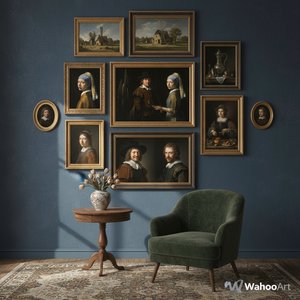
Os 10 Mestres do Barroco Holandês: Obras Essenciais para Decorar com Arte e História
Descubra os 10 mestres do Barroco Holandês! Explore a história e o legado de Rembrandt, Vermeer e outros artistas icônicos. Encontre reproduções de arte de alta qualidade para decorar sua casa com elegância em AllPaintingsStore.com.

Século XVII na Arte: 10 Obras-Primas para Inspirar a Sua Casa
Descubra 10 obras-primas do século XVII! Explore a arte de Rembrandt, Vermeer e Caravaggio. Encontre reproduções de alta qualidade para inspirar sua decoração em AllPaintingsStore.com.


